Mini Yorkshire Aussie
The Mini Yorkshire Aussie is a cross between the Miniature Australian Shepherd and the Yorkshire Terrier. Because each hybrid inherits a unique combination of traits from both parents, we recommend thoroughly researching both breeds before choosing a Mini Yorkshire Aussie. Pay special attention to temperament, health issues, and care requirements, as your dog may express characteristics from either parent breed.
Miniature Australian Shepherd

The Miniature Australian Shepherd, officially recognized by the American Kennel Club as the Miniature American Shepherd, is a small herding dog standing 13 to 18 inches tall at the shoulder for males and 13 to 17 inches for females, with weights typically ranging from 20 to 40 pounds. The breed presents a well-balanced, slightly longer than tall profile with a sturdy, muscular build that reflects its working heritage. Despite their compact size, these dogs possess the agility, strength, and endurance characteristic of herding breeds, appearing capable of performing the demanding work for which they were developed. The coat of the Miniature Australian Shepherd is medium in length with a texture that ranges from straight to wavy. The breed possesses a weather-resistant double coat consisting of a moderately coarse outer coat and a soft, dense undercoat that varies in thickness depending on climate. The coat features moderate feathering on the backs of the forelegs and breeches, with more pronounced manes and frills around the neck that are typically more developed in males. Recognized coat colors include black, blue merle, red, and red merle, often with white markings and copper or tan points in various combinations. The head is clean-cut with a slightly rounded crown and a moderate stop between the skull and muzzle. The almond-shaped eyes are one of the breed's most striking features, appearing in brown, blue, hazel, amber, or any combination thereof, including marbled or flecked patterns. Heterochromia, where each eye is a different color, is not uncommon and is accepted in the breed standard. The ears are triangular, set high on the head, and fold forward or to the side when alert. The tail may be naturally bobbed, docked where permitted, or left natural and is carried with a slight upward curve when the dog is in motion.
Key Characteristics
Temperament Temperament Temperament Temperament Temperament Temperament Miniature Australian Shepherds require significant physical and mental exercise to remain happy and well-balanced. They excel in canine sports including agility, obedience, rally, flyball, and herding trials, where their intelligence and athleticism can shine. Without sufficient outlets for their energy and intellect, they may develop behavioral problems including excessive barking, destructive chewing, or neurotic behaviors. They can adapt to various living situations including apartments if their exercise needs are met, but homes with securely fenced yards provide ideal environments. Early socialization is essential to help them develop confidence and appropriate responses to new people, animals, and situations.
Health Considerations Health Considerations Health Considerations Health Considerations Health Considerations Health Considerations Hip dysplasia, where the hip joint develops abnormally, can occur in Miniature Australian Shepherds despite their smaller size and may cause pain, lameness, and arthritis. Patellar luxation, where the kneecap slips out of position, is another orthopedic concern. The MDR1 gene mutation, common in herding breeds, causes sensitivity to certain medications including some dewormers and anesthetics, making genetic testing essential before administering these drugs. Epilepsy has been documented in the breed and can usually be managed with medication. Hereditary conditions such as degenerative myelopathy, canine multifocal retinopathy, and cone degeneration have been identified through genetic testing. Regular veterinary checkups, appropriate screening tests, and awareness of these conditions help ensure the best possible health outcomes for these active, devoted companions.
Yorkshire Terrier
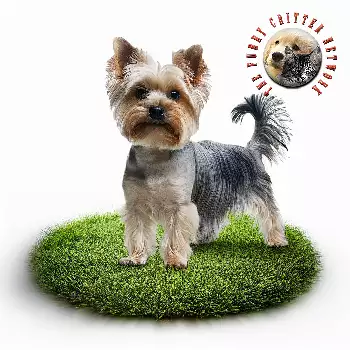
The Yorkshire Terrier is a compact toy breed that typically weighs no more than seven pounds according to the American Kennel Club breed standard, with most dogs standing between six and nine inches tall at the shoulder. Despite their diminutive size, Yorkies possess a well-proportioned body with a level back and moderate bone structure that conveys sturdiness rather than fragility. Their carriage is confident and self-important, with the head held high and an alert, engaged expression that reflects their spirited nature and terrier heritage. The most distinctive feature of the Yorkshire Terrier is its luxurious coat, which is long, silky, and perfectly straight when properly groomed. The hair is fine in texture and glossy, falling evenly on either side of the body from a part that runs from the nose to the tail. Coat color follows a specific pattern: puppies are born black and tan, gradually developing the characteristic steel blue coloring on the body and rich golden tan on the head, chest, and legs as they mature. The blue should be a dark steel blue rather than silver or mixed with fawn or black hairs. The head of the Yorkshire Terrier is small and flat on top, with a moderately short muzzle and a black nose. The eyes are medium-sized, dark, and sparkling with intelligence, set to look directly forward with an alert and sharp expression. The ears are small, V-shaped, and carried erect, set high on the head and adding to the breed's perky appearance. Show dogs typically have the hair on the head gathered into a topknot tied with ribbon, while pet Yorkies may sport shorter, more practical hairstyles. The tail is traditionally docked to medium length and carried slightly higher than the level of the back, though natural tails are becoming more common in regions where docking is prohibited.
Key Characteristics
Temperament Temperament Temperament Temperament Temperament Temperament Yorkies are naturally alert and make excellent watchdogs, readily barking to announce visitors or unusual occurrences. This tendency toward vocalization can become excessive without proper training and management. They can be territorial and may not readily accept other pets, particularly dogs of the same sex, though early socialization can help them learn to coexist peacefully. While generally good with older children who handle them gently, their small size and sometimes feisty temperament make them less suitable for homes with young children who might accidentally injure them or trigger defensive responses.
Health Considerations Health Considerations Health Considerations Health Considerations Health Considerations Health Considerations Yorkshire Terriers are highly prone to dental disease due to their small mouths and crowded teeth, making regular dental care including daily brushing and professional cleanings essential for maintaining oral health. Hypoglycemia, or low blood sugar, can affect Yorkie puppies and small adults, requiring careful attention to regular feeding schedules. Eye conditions including progressive retinal atrophy and cataracts may develop, particularly in aging dogs. Legg-Calve-Perthes disease, affecting the hip joint, can cause lameness in young dogs. Additionally, some Yorkies may develop heart conditions including patent ductus arteriosus and other congenital defects. Regular veterinary care and health screenings help identify and manage these conditions early for the best outcomes.
Important to Remember
Each hybrid dog is unique and may inherit any combination of traits from either parent breed. The information above represents the characteristics of the purebred parent breeds. Your Mini Yorkshire Aussie may favor one parent over the other or display a blend of both. We strongly encourage you to read the complete breed profiles for both the Miniature Australian Shepherd and Yorkshire Terrier to fully understand the range of possible temperaments, health concerns, and care requirements.