Mini Australian Shepterrier
The Mini Australian Shepterrier is a cross between the Australian Terrier and the Miniature Australian Shepherd. Because each hybrid inherits a unique combination of traits from both parents, we recommend thoroughly researching both breeds before choosing a Mini Australian Shepterrier. Pay special attention to temperament, health issues, and care requirements, as your dog may express characteristics from either parent breed.
Australian Terrier
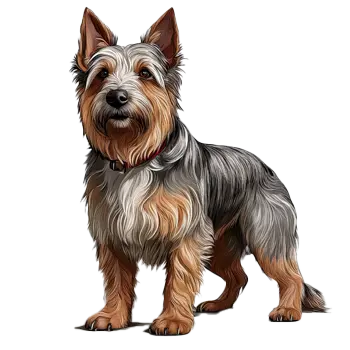
The Australian Terrier is a small, sturdy dog with a rectangular build that measures approximately 10 to 11 inches at the withers and weighs between 12 to 18 pounds. Despite its compact size, this breed possesses a robust, well-muscled frame with medium bone structure and excellent proportions. The body length from withers to the base of the tail is roughly twenty percent longer than the height, giving the breed its characteristic low-set, elongated silhouette. The head is wedge-shaped and moderately sized, featuring a flat topskull, slight stop, and strong muzzle that tapers to a black nose. Dark brown oval eyes display a keen, intelligent expression, while the small, pointed ears are set high and carried erect. The Australian Terrier's coat is one of its most distinctive features, consisting of a harsh, straight outer coat approximately two and a half inches long with a short, soft undercoat beneath. The breed displays a distinctive ruff around the neck that extends to the breastbone, creating an apron-like appearance on the forequarters. A unique topknot of finer, silkier hair crowns the skull, contrasting beautifully with the coarser body coat. Recognized coat colors include blue and tan, solid sandy, and solid red, with blue varieties ranging from dark blue to steel blue or silver blue with rich tan markings on the face, ears, underbody, and legs. The breed's furnishings include slightly feathered forelegs and a naturally docked or undocked tail that is carried high. The feet are small, round, and compact with well-arched toes and dark nails. This weather-resistant coat requires minimal trimming and serves as excellent protection against harsh outdoor conditions. The overall appearance conveys a working terrier ready for action, combining rugged functionality with an alert, spirited expression that reflects the breed's true terrier character.
Key Characteristics
Temperament Temperament Temperament Temperament Temperament Temperament Despite their terrier tenacity, Australian Terriers are remarkably adaptable and can thrive in various living situations from apartments to country estates, provided they receive adequate exercise and mental stimulation. They possess a strong prey drive inherited from their vermin-hunting ancestry, making off-leash activity risky unless in securely fenced areas. The breed generally displays good compatibility with children, particularly when raised together, though supervision is recommended. While they can coexist peacefully with other household pets when properly socialized, same-sex aggression and bossiness toward other dogs may occur. Their high energy level demands daily exercise and play sessions to prevent boredom-related destructive behaviors like digging and excessive barking.
Health Considerations Health Considerations Health Considerations Health Considerations Health Considerations Health Considerations Australian Terriers have demonstrated susceptibility to several metabolic and systemic conditions. Diabetes mellitus occurs at above-average rates in this breed, requiring lifelong insulin management and dietary modifications when diagnosed. The breed is also prone to various allergies, particularly skin allergies affecting the feet, stomach, skin folds, and ears that may worsen progressively over time. Eye conditions including keratoconjunctivitis sicca (dry eye), cataracts, and retinal dysplasia have been documented in the breed population. Additionally, Australian Terriers may carry the gene for degenerative myelopathy, a progressive spinal cord disease affecting older dogs. Dental disease develops more readily in this breed than many others, making regular dental care essential. Maintaining appropriate weight, providing quality nutrition, scheduling regular veterinary checkups, and obtaining puppies from health-tested parents all contribute to maximizing longevity and wellbeing.
Miniature Australian Shepherd

The Miniature Australian Shepherd is a compact, well-proportioned herding dog that stands between 13 to 18 inches tall at the shoulder and typically weighs 20 to 40 pounds, with males generally larger than females. Despite their reduced size compared to the standard Australian Shepherd, these dogs maintain the same athletic build, balanced proportions, and agile appearance that characterizes the breed. The body is slightly longer than tall with a well-developed chest, strong back, and naturally bobbed or full-length tail. The head features a moderate wedge shape with a defined but not prominent stop, clean cheeks, and a tapered muzzle ending in a nose that is black or liver-colored depending on coat color. One of the most striking features of the Miniature Australian Shepherd is their expressive, almond-shaped eyes that may be brown, blue, amber, or any combination thereof, including the stunning heterochromia where each eye is a different color. The triangular ears are set high on the skull and may be naturally pricked, semi-pricked, or folded. The breed possesses a medium-length double coat consisting of a straight to slightly wavy, weather-resistant outer coat and a soft, dense undercoat that provides insulation. Standard coat colors recognized include black, blue merle, red, and red merle, often enhanced by white markings and copper points on the face, chest, legs, and tail. The merle coat pattern creates a distinctive marbled appearance with patches of darker pigment distributed throughout lighter base coloring. Coat length is moderate across the body with slightly longer hair forming a modest mane around the neck and feathering on the backs of the legs. The compact feet are oval-shaped with well-arched toes and thick pads suited for agility work. Movement is smooth and effortless, demonstrating the ground-covering stride and natural balance essential for herding work. The overall impression is of a versatile, athletic small dog that retains all the essential characteristics and working ability of its larger counterpart while offering the convenience of a more portable size.
Key Characteristics
Temperament Temperament Temperament Temperament Temperament Temperament The breed's high energy level requires substantial daily exercise and mental engagement to maintain physical and emotional wellbeing. Mini Aussies excel in active households where they can participate in outdoor adventures, training sessions, and interactive play. They generally get along well with children and other pets when properly introduced, though their herding instincts may manifest as nipping at heels or attempting to herd family members and other animals. This behavior requires consistent training to redirect appropriately. The breed adapts well to various living environments from apartments to rural properties, provided their exercise and stimulation needs are met. Their intelligence combined with occasional stubbornness demands patient, consistent training using positive reinforcement methods to achieve optimal results.
Health Considerations Health Considerations Health Considerations Health Considerations Health Considerations Health Considerations The MDR1 gene mutation affects approximately half of Miniature Australian Shepherds, causing dangerous sensitivity to certain medications including ivermectin, loperamide, and various chemotherapy drugs. Genetic testing identifies affected dogs so veterinarians can avoid potentially fatal drug reactions. Hip and elbow dysplasia occur in the breed, causing abnormal joint development that leads to pain, lameness, and eventual arthritis. Maintaining healthy weight, providing appropriate exercise, and obtaining puppies from screened parents help minimize joint problems. Additional conditions documented in the breed include epilepsy, autoimmune thyroiditis, degenerative myelopathy, and allergies. Dogs bred from two merle parents face increased risk of deafness and blindness due to the double merle gene combination. Regular veterinary care, quality nutrition, appropriate exercise, and purchasing from responsible breeders who prioritize health testing all contribute to raising healthy Miniature Australian Shepherds.
Important to Remember
Each hybrid dog is unique and may inherit any combination of traits from either parent breed. The information above represents the characteristics of the purebred parent breeds. Your Mini Australian Shepterrier may favor one parent over the other or display a blend of both. We strongly encourage you to read the complete breed profiles for both the Australian Terrier and Miniature Australian Shepherd to fully understand the range of possible temperaments, health concerns, and care requirements.