Mi-orkie
The Mi-orkie is a cross between the Mi-Ki and the Yorkshire Terrier. Because each hybrid inherits a unique combination of traits from both parents, we recommend thoroughly researching both breeds before choosing a Mi-orkie. Pay special attention to temperament, health issues, and care requirements, as your dog may express characteristics from either parent breed.
Mi-Ki

The Mi-Ki is a rare toy breed that stands seven to ten inches tall at the shoulder and typically weighs between four and eight pounds, with breed standards specifying a maximum weight of ten pounds. This tiny companion dog has a refined, well-balanced build with a body that is slightly longer than it is tall, presenting an elegant silhouette that reflects its development from various toy breed ancestry. The head is distinctive with an apple-domed skull, a short and wide muzzle that gives the face a sweet expression, and large, round eyes that can be dark, blue, or ruby in color, depending on coat color. The expression is alert yet gentle, conveying the breed's affectionate and calm temperament. One of the most interesting features of the Mi-Ki is its variable ear carriage, which can be erect, dropped, or uniquely winged, with some dogs having the ability to move their ears between positions depending on their mood or attention level. The breed comes in two distinct coat types: the long coat variety features silky, fine, flowing hair with feathering on the ears, legs, and tail, often with a beard and mustache that frame the face, while the smooth coat variety has shorter hair without the characteristic facial furnishings. Both coat types are low-shedding and considered hypoallergenic, making the breed suitable for allergy sufferers who desire a small companion dog. The Mi-Ki displays a remarkable range of colors and patterns, with all colors and combinations being acceptable in the breed standard, though solid colors are relatively rare. Common patterns include parti-color, tricolor, and various combinations of white with other colors. The tail is heavily plumed and carried gracefully over the back, adding to the breed's elegant appearance and creating a beautiful plume effect when the dog moves. A particularly distinctive feature is their hare-like webbed feet, which are relatively rare among dog breeds and contribute to their unique physical profile. The Mi-Ki moves with a light, flowing gait that reflects its refined structure and carries itself with an alert, confident demeanor that belies its diminutive size, making it an eye-catching companion wherever it goes.
Key Characteristics
Temperament Temperament Temperament Temperament Temperament Temperament Despite their calm demeanor, Mi-Kis form strong bonds with their families and require regular companionship to thrive. They can be prone to separation anxiety if left alone for extended periods and do best in homes where someone is present for most of the day. The breed is affectionate without being overly demanding and enjoys both interactive play sessions and quiet cuddle time with their owners. Their adaptable, easygoing nature makes them excellent travel companions, and they typically adjust well to new environments and situations.
Health Considerations Health Considerations Health Considerations Health Considerations Health Considerations Health Considerations Hypoglycemia, or low blood sugar, can be a concern particularly in puppies and very small adults, requiring careful attention to feeding schedules and recognition of symptoms such as weakness, trembling, and lethargy. Some Mi-Kis may inherit bleeding disorders such as von Willebrand's disease or hemophilia, which affect blood clotting ability. Short-muzzled individuals may experience brachycephalic-related breathing issues, though this is typically mild in the breed. Reputable Mi-Ki registries often mandate health testing for breeding dogs, which has helped reduce the prevalence of genetic conditions. Working with a responsible breeder who provides health clearances is the best way to obtain a healthy Mi-Ki puppy.
Yorkshire Terrier
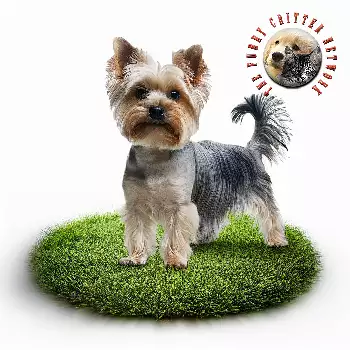
The Yorkshire Terrier is a compact, well-proportioned toy breed that typically weighs between four and seven pounds and stands seven to eight inches tall at the shoulder. Despite their small size, these dogs carry themselves with a confident, self-important air that reflects their terrier heritage. The body is compact and well-balanced, with a level topline and a high-set tail that is traditionally docked to medium length and carried slightly higher than the level of the back, though natural tails are increasingly common in countries where docking is prohibited. The overall structure should appear neat and compact, with good substance for such a small dog. The most striking feature of the Yorkshire Terrier is its beautiful coat, which is long, silky, perfectly straight, and has a glossy, fine texture similar to human hair. The coat grows continuously and can reach floor length if left untrimmed, requiring daily grooming to maintain its lustrous appearance and prevent tangling. The breed standard calls for a distinctive color pattern: the body from the back of the neck to the base of the tail should be a dark steel blue, while the head, chest, and legs display a rich golden tan. Puppies are born black and tan, with the blue coloring developing gradually as they mature over their first one to two years of life. The Yorkshire Terrier has a small, somewhat flat head with a medium-length muzzle and a black nose that provides a nice contrast to the coat colors. The eyes are medium-sized, dark, and sparkle with intelligence and curiosity, while the ears are small, V-shaped, and carried erect, giving the face an alert, perky expression. The coat on the head is often tied up in a topknot or bow to keep hair out of the eyes and showcase the dog's features. The breed has a single coat without an undercoat, which contributes to minimal shedding and makes them popular among allergy sufferers, though regular grooming is essential. Their small, round feet are compact with black toenails, and the straight legs give them a neat, tidy appearance when properly groomed and presented.
Key Characteristics
Temperament Temperament Temperament Temperament Temperament Temperament As alert watchdogs, Yorkshire Terriers are quick to bark at unfamiliar sounds or visitors, which can develop into excessive barking without proper training. Early socialization is essential to prevent them from becoming overly suspicious of strangers or aggressive toward other dogs. While they can be wonderful companions for older, considerate children, their small size makes them vulnerable to injury from rough handling, and they may snap at young children who treat them too roughly. Yorkies tend to retain their playful, puppy-like energy well into their senior years and enjoy interactive games and learning new tricks.
Health Considerations Health Considerations Health Considerations Health Considerations Health Considerations Health Considerations Hypoglycemia, or low blood sugar, is particularly dangerous in Yorkshire Terrier puppies and very small adults, potentially causing weakness, seizures, and collapse if not addressed promptly. Portosystemic shunt, commonly called liver shunt, is a congenital condition where blood bypasses the liver, preventing proper toxin filtration. Legg-Calve-Perthes disease, which causes degeneration of the hip joint, and progressive retinal atrophy, leading to vision loss, also occur in the breed. Heart problems, including patent ductus arteriosus, may develop, as can bladder stones and cataracts. Regular veterinary checkups and health screenings help detect these conditions early for optimal management.
Important to Remember
Each hybrid dog is unique and may inherit any combination of traits from either parent breed. The information above represents the characteristics of the purebred parent breeds. Your Mi-orkie may favor one parent over the other or display a blend of both. We strongly encourage you to read the complete breed profiles for both the Mi-Ki and Yorkshire Terrier to fully understand the range of possible temperaments, health concerns, and care requirements.