Mauzer
The Mauzer is a cross between the Maltese and the Miniature Schnauzer. Because each hybrid inherits a unique combination of traits from both parents, we recommend thoroughly researching both breeds before choosing a Mauzer. Pay special attention to temperament, health issues, and care requirements, as your dog may express characteristics from either parent breed.
Maltese

The Maltese is a diminutive yet elegant toy breed that presents a picture of refined beauty and aristocratic grace. Standing 7 to 9 inches at the shoulder and weighing under 7 pounds, with most individuals falling between 3 and 7 pounds, this compact companion combines delicate proportions with a surprisingly sturdy constitution. The body is slightly longer than tall, with a level topline and a chest of moderate depth. Despite their small size, Maltese should feel solid and substantial when handled, possessing good bone and muscle tone beneath their luxurious coat. The most striking feature of the Maltese is undoubtedly its coat, which consists of long, silky, pure white hair that hangs straight from a center part down both sides of the body. The coat lacks an undercoat and has a texture similar to human hair, growing continuously without the shedding cycles seen in double-coated breeds. When properly maintained for show, the coat reaches floor length and requires daily care to prevent matting and tangling. Many pet owners choose to keep their Maltese in a shorter puppy clip for easier maintenance while still preserving the breed's elegant appearance. The Maltese head is of medium length with a slightly rounded skull and a moderate stop. The muzzle is of medium length and tapers slightly toward the nose, which should be black. The large, dark, round eyes are set moderately apart and surrounded by dark pigmentation called a halo, which enhances the breed's sweet, gentle expression. The low-set ears are heavily feathered with long hair that blends into the coat of the neck. The tail is carried gracefully over the back, with its long plume of hair hanging to the side of the body. Black points on the nose, eye rims, and paw pads are essential breed characteristics that contrast beautifully with the white coat.
Key Characteristics
Temperament Temperament Temperament Temperament Temperament Temperament Maltese generally get along well with older children and other pets when properly introduced and socialized, though their small size makes them vulnerable to accidental injury from rough handling. They may be initially reserved with strangers but typically warm up quickly once they sense no threat. The breed can develop separation anxiety if left alone for extended periods, as their need for human companionship is deeply ingrained. Some Maltese may exhibit protective behaviors toward their owners that can manifest as snippiness if not managed appropriately. Overall, the Maltese is an adaptable breed that adjusts well to various living situations as long as their need for companionship and gentle handling is met.
Health Considerations Health Considerations Health Considerations Health Considerations Health Considerations Health Considerations Dental disease poses a significant concern for Maltese due to their small mouths and crowded teeth, which create conditions favorable for tartar accumulation and gum disease. Regular dental care including brushing and professional cleanings is essential for maintaining oral health. The breed may also be affected by liver shunts, a congenital condition where blood vessels bypass the liver, and patent ductus arteriosus, a heart defect present at birth. Tear staining is common in Maltese and while primarily cosmetic, excessive tearing may indicate underlying eye problems or blocked tear ducts. Regular veterinary care and attention to these breed-specific concerns will help ensure a long and healthy life for the Maltese companion.
Miniature Schnauzer
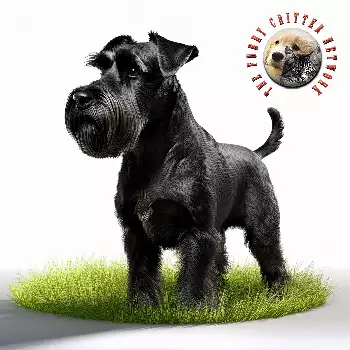
The Miniature Schnauzer is a small, sturdy, and squarely built dog that presents an image of strength and alertness without any suggestion of toyishness. Standing 12 to 14 inches at the shoulder and weighing 11 to 20 pounds, this breed combines compact size with robust construction that reflects its working terrier heritage. The body length equals the height, creating the distinctive square profile that characterizes the breed. The chest is moderately broad with well-sprung ribs, and the underline has a moderate tuck-up, giving the dog an athletic appearance ready for action. The Miniature Schnauzer's head is strong and rectangular in shape, diminishing slightly from the ears to the eyes and again to the tip of the nose. The forehead is flat and the skull is moderately broad between the ears. The distinctive facial furnishings include thick, bushy eyebrows that accentuate the keen expression and an abundant beard and mustache that create the breed's signature look. The dark, oval-shaped eyes are deeply set and convey an alert, spirited intelligence. The ears may be cropped to stand erect or left natural, in which case they fold forward with the inner edge close to the cheek. The double coat consists of a hard, wiry outer coat and a soft, close undercoat, requiring regular grooming to maintain the proper texture and appearance. The breed is shown with the coat hand-stripped, though many pet owners opt for clippered grooming for easier maintenance. Recognized colors include salt and pepper, black and silver, and solid black, with salt and pepper being the most common. The salt and pepper color is created by banded hairs of varying shades of gray, with light gray or silver-white furnishings on the eyebrows, whiskers, cheeks, throat, chest, legs, and under the tail. The tail is traditionally docked and carried erect, though natural tails are increasingly common.
Key Characteristics
Temperament Temperament Temperament Temperament Temperament Temperament The breed's energy level is moderate to high, requiring daily exercise and play to remain happy and well-behaved. Without sufficient outlets for their energy and intelligence, Miniature Schnauzers may develop undesirable behaviors such as excessive barking, digging, or destructive chewing. They can be stubborn at times and may attempt to have their own way if not provided with consistent leadership. Training should be firm but fair, using positive reinforcement methods to achieve the best results. The Miniature Schnauzer's combination of intelligence, adaptability, and affectionate nature makes them wonderful companions for families and individuals alike.
Health Considerations Health Considerations Health Considerations Health Considerations Health Considerations Health Considerations Miniature Schnauzers may develop cataracts and progressive retinal atrophy, conditions that affect vision and can lead to blindness. Regular eye examinations can detect early signs of these conditions. The breed is also susceptible to liver shunts, a congenital condition where abnormal blood vessels bypass the liver, and diabetes mellitus, particularly in overweight individuals. A rare but serious condition called Mycobacterium Avium Complex affects some Miniature Schnauzers, causing weight loss, lymph node enlargement, and is unfortunately often fatal. Maintaining regular veterinary checkups and genetic testing of breeding stock helps ensure the ongoing health of this popular breed.
Important to Remember
Each hybrid dog is unique and may inherit any combination of traits from either parent breed. The information above represents the characteristics of the purebred parent breeds. Your Mauzer may favor one parent over the other or display a blend of both. We strongly encourage you to read the complete breed profiles for both the Maltese and Miniature Schnauzer to fully understand the range of possible temperaments, health concerns, and care requirements.