Malti-Pug
The Malti-Pug is a cross between the Maltese and the Pug. Because each hybrid inherits a unique combination of traits from both parents, we recommend thoroughly researching both breeds before choosing a Malti-Pug. Pay special attention to temperament, health issues, and care requirements, as your dog may express characteristics from either parent breed.
Maltese

The Maltese is a diminutive toy breed that typically weighs between 4 and 7 pounds and stands 8 to 10 inches tall at the shoulder. Despite their small stature, they possess a compact, well-proportioned body that moves with a smooth, flowing gait. Their overall build is refined and elegant, with a level topline and a chest of moderate depth. The head is proportionate to the body with a slightly rounded skull, and the muzzle tapers to a fine point while maintaining good breadth. Their black button nose contrasts beautifully against their white coat, though the nose may fade to pink with insufficient sun exposure or during hormonal changes in females. The breed's most distinctive feature is their stunning coat, which consists of long, silky, straight white hair that can reach floor length if left unclipped. Unlike many breeds, Maltese possess only a single coat layer without an undercoat, which contributes to their reputation as a low-shedding breed often suitable for allergy sufferers. The hair has a distinctive silky texture that parts naturally down the center of the back. When properly maintained, the coat hangs evenly on both sides of the body, creating an elegant curtain of white. Many owners opt for a shorter puppy cut for easier maintenance, which gives the dog an endearing, youthful appearance. The Maltese's expressive face features large, dark, round eyes set fairly close together, conveying an alert and gentle expression. Black eye rims and lips provide striking contrast against the white coat, creating the breed's characteristic sweet facial appearance. The ears are set low and hang close to the head, heavily feathered with long hair that blends into the body coat. Their tail is plumed with long, flowing hair and curves gracefully over the back, adding to their aristocratic appearance. The overall impression is one of refinement and gentle elegance.
Key Characteristics
Temperament Temperament Temperament Temperament Temperament Temperament The breed is highly intelligent and responds well to positive reinforcement training methods, though they can exhibit a stubborn streak if they sense their owner is not confident or consistent. Maltese are generally gentle and playful, maintaining their puppy-like enthusiasm throughout their lives. They typically get along well with other pets when properly introduced and socialized. While they can be wonderful companions for children, their small size makes them better suited for families with older, more considerate children who understand how to handle them gently. Their sensitive nature means they respond poorly to harsh training methods or turbulent household environments.
Health Considerations Health Considerations Health Considerations Health Considerations Health Considerations Health Considerations White Dog Shaker Syndrome, also known as idiopathic steroid-responsive shaker syndrome, is a condition seen predominantly in small white dogs including Maltese, causing full-body tremors that typically appear in young adulthood. While not painful, this autoimmune condition requires veterinary treatment with corticosteroids. Progressive retinal atrophy, an inherited degenerative eye condition that can lead to blindness, occurs in some Maltese lines. Regular veterinary examinations, maintaining proper dental hygiene, and purchasing from breeders who perform health testing can help ensure the best possible health outcomes for Maltese dogs. Their delicate size also makes them susceptible to hypoglycemia, particularly as puppies, requiring attention to regular feeding schedules.
Pug
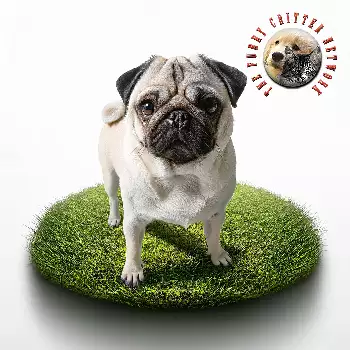
The Pug is a compact, square-proportioned toy breed that typically weighs between 14 and 18 pounds and stands 10 to 13 inches at the shoulder. Despite their small size, they possess a surprisingly solid, muscular body that the breed standard describes as multum in parvo, a Latin phrase meaning much in little. Their overall build is cobby and thickset with a wide chest, well-developed muscles, and a level topline. The body is short and compact, with a distinct barrel shape when viewed from above, conveying strength and substance rather than elegance. The Pug's most distinctive feature is their brachycephalic head structure, characterized by a large, round skull, a flat face, and deeply wrinkled skin. Their muzzle is short, blunt, and square, with a prominent black mask covering the face and extending to the ears. The wrinkles on the forehead are particularly deep and expressive, with one large wrinkle often referred to as the prince mark. Their large, dark, prominent eyes are globular in shape and project a soft, concerned expression that has endeared the breed to generations of owners. The ears are small, thin, and soft, set high on the head and folding either forward as button ears or backward as rose ears. The Pug's coat is fine, smooth, soft, and short with a glossy appearance. They come in two accepted colors according to most breed standards: fawn, ranging from apricot to silver, and solid black. Fawn Pugs display clearly defined markings including the black mask, ears, trace line running from the back of the skull to the tail, and thumbmark or diamond-shaped marks on the forehead. The tail is tightly curled over the hip, with a double curl considered particularly desirable. Pugs are heavy shedders despite their short coat, producing more loose hair than many people expect from a small breed.
Key Characteristics
Temperament Temperament Temperament Temperament Temperament Temperament Pugs are moderately trainable, responding well to positive reinforcement methods and food rewards, though they can display a stubborn streak if they find training uninteresting. They are sensitive to their owner's emotions and may become stressed in tense household environments. While not excessive barkers, they make alert watchdogs and will vocalize to announce visitors. Their need for human companionship means they do not tolerate being left alone for long periods and may develop separation anxiety. Pugs maintain their playful, puppy-like demeanor well into their senior years, providing loyal and entertaining companionship throughout their lives.
Health Considerations Health Considerations Health Considerations Health Considerations Health Considerations Health Considerations Obesity is a serious concern for Pugs, as their love of food combined with their limited exercise tolerance creates a perfect storm for weight gain. Excess weight worsens breathing difficulties, stresses joints, and shortens lifespan. Hip dysplasia and patellar luxation affect some Pugs, causing mobility issues and potentially requiring surgical intervention. Hemivertebrae, a spinal condition where vertebrae are abnormally shaped, occurs in the breed and can cause pain or paralysis in severe cases. Pugs are also susceptible to pug dog encephalitis, a fatal inflammatory brain disease unique to the breed. Regular veterinary care, weight management, and attention to environmental temperature are essential for maintaining Pug health.
Important to Remember
Each hybrid dog is unique and may inherit any combination of traits from either parent breed. The information above represents the characteristics of the purebred parent breeds. Your Malti-Pug may favor one parent over the other or display a blend of both. We strongly encourage you to read the complete breed profiles for both the Maltese and Pug to fully understand the range of possible temperaments, health concerns, and care requirements.