Malti-Pin
The Malti-Pin is a cross between the Maltese and the Miniature Pinscher. Because each hybrid inherits a unique combination of traits from both parents, we recommend thoroughly researching both breeds before choosing a Malti-Pin. Pay special attention to temperament, health issues, and care requirements, as your dog may express characteristics from either parent breed.
Maltese

The Maltese is a diminutive toy breed that typically weighs between 4 and 7 pounds and stands 8 to 10 inches tall at the shoulder. Despite their small stature, they possess a compact, well-proportioned body that moves with a smooth, flowing gait. Their overall build is refined and elegant, with a level topline and a chest of moderate depth. The head is proportionate to the body with a slightly rounded skull, and the muzzle tapers to a fine point while maintaining good breadth. Their black button nose contrasts beautifully against their white coat, though the nose may fade to pink with insufficient sun exposure or during hormonal changes in females. The breed's most distinctive feature is their stunning coat, which consists of long, silky, straight white hair that can reach floor length if left unclipped. Unlike many breeds, Maltese possess only a single coat layer without an undercoat, which contributes to their reputation as a low-shedding breed often suitable for allergy sufferers. The hair has a distinctive silky texture that parts naturally down the center of the back. When properly maintained, the coat hangs evenly on both sides of the body, creating an elegant curtain of white. Many owners opt for a shorter puppy cut for easier maintenance, which gives the dog an endearing, youthful appearance. The Maltese's expressive face features large, dark, round eyes set fairly close together, conveying an alert and gentle expression. Black eye rims and lips provide striking contrast against the white coat, creating the breed's characteristic sweet facial appearance. The ears are set low and hang close to the head, heavily feathered with long hair that blends into the body coat. Their tail is plumed with long, flowing hair and curves gracefully over the back, adding to their aristocratic appearance. The overall impression is one of refinement and gentle elegance.
Key Characteristics
Temperament Temperament Temperament Temperament Temperament Temperament The breed is highly intelligent and responds well to positive reinforcement training methods, though they can exhibit a stubborn streak if they sense their owner is not confident or consistent. Maltese are generally gentle and playful, maintaining their puppy-like enthusiasm throughout their lives. They typically get along well with other pets when properly introduced and socialized. While they can be wonderful companions for children, their small size makes them better suited for families with older, more considerate children who understand how to handle them gently. Their sensitive nature means they respond poorly to harsh training methods or turbulent household environments.
Health Considerations Health Considerations Health Considerations Health Considerations Health Considerations Health Considerations White Dog Shaker Syndrome, also known as idiopathic steroid-responsive shaker syndrome, is a condition seen predominantly in small white dogs including Maltese, causing full-body tremors that typically appear in young adulthood. While not painful, this autoimmune condition requires veterinary treatment with corticosteroids. Progressive retinal atrophy, an inherited degenerative eye condition that can lead to blindness, occurs in some Maltese lines. Regular veterinary examinations, maintaining proper dental hygiene, and purchasing from breeders who perform health testing can help ensure the best possible health outcomes for Maltese dogs. Their delicate size also makes them susceptible to hypoglycemia, particularly as puppies, requiring attention to regular feeding schedules.
Miniature Pinscher
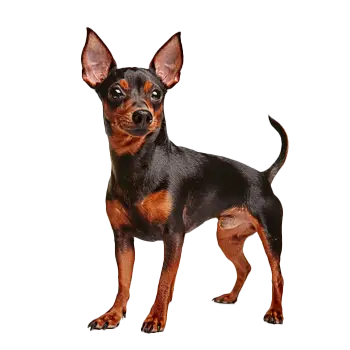
The Miniature Pinscher is a compact, elegant toy breed that stands between 10 and 12.5 inches at the shoulder and typically weighs 8 to 10 pounds. Despite their small size, they possess a well-muscled, sturdy build that conveys strength and athleticism. Often mistaken for a miniature Doberman Pinscher, this breed actually predates the Doberman and has a distinct ancestry involving German Pinschers, Dachshunds, and Italian Greyhounds. Their body structure is square and well-balanced, with a smooth, graceful outline that suggests both elegance and capability. The breed's compact frame belies its remarkable athleticism and surprising jumping ability. The breed's most distinctive characteristic is their unique hackney gait, a high-stepping, animated movement resembling a trotting horse that sets them apart from all other toy breeds. Their legs are straight and strong with compact, cat-like feet, supporting this characteristic prancing motion with effortless grace. The head is proportionate to the body, featuring a flat skull, a strong muzzle, and dark, oval-shaped eyes that convey an alert, spirited expression. The ears are naturally set high and may be either cropped to stand erect or left natural, in which case they fold forward or stand erect. The tail is set high and typically carried erect, traditionally docked in countries where the practice remains legal. The Miniature Pinscher's coat is short, smooth, and lies close to the body, requiring minimal grooming while showcasing the dog's muscular definition and sleek physique. Accepted colors include solid clear red, stag red featuring red with an intermingling of black hairs, and black with sharply defined rust or tan markings above the eyes, on the muzzle, chest, legs, and beneath the tail. The coat has a lustrous sheen when properly maintained, enhancing their sleek, sophisticated appearance. Their streamlined physique combined with their confident carriage creates an impression of a much larger dog compressed into a compact, energetic package.
Key Characteristics
Temperament Temperament Temperament Temperament Temperament Temperament This breed requires substantial mental and physical stimulation to prevent boredom-related behavioral problems. They are remarkably athletic for their size, capable of jumping heights that surprise many owners and requiring secure, tall fencing in any yard. Miniature Pinschers enjoy games and interaction but may become possessive of toys or food without proper socialization. While they can coexist with other pets when raised together, they may display dominant behavior toward unfamiliar dogs. Their high energy level and need for engagement make them best suited for active owners who can provide consistent training, adequate exercise, and plenty of interactive play.
Health Considerations Health Considerations Health Considerations Health Considerations Health Considerations Health Considerations Dental disease poses a significant risk for Miniature Pinschers, as small breeds are particularly susceptible to periodontal problems. Daily tooth brushing and regular professional cleanings can help prevent serious dental issues. The breed may also experience hypothyroidism, causing weight gain, lethargy, and coat problems when the thyroid gland produces insufficient hormones. Epilepsy, manifesting as recurring seizures, has been documented in the breed and can typically be managed with medication. Additionally, Miniature Pinschers can be prone to skin cancer in the form of mast cell tumors, making regular skin examinations important for early detection and treatment.
Important to Remember
Each hybrid dog is unique and may inherit any combination of traits from either parent breed. The information above represents the characteristics of the purebred parent breeds. Your Malti-Pin may favor one parent over the other or display a blend of both. We strongly encourage you to read the complete breed profiles for both the Maltese and Miniature Pinscher to fully understand the range of possible temperaments, health concerns, and care requirements.