Mali-dutchie
The Mali-dutchie is a cross between the Belgian Malinois and the Dutch Shepherd. Because each hybrid inherits a unique combination of traits from both parents, we recommend thoroughly researching both breeds before choosing a Mali-dutchie. Pay special attention to temperament, health issues, and care requirements, as your dog may express characteristics from either parent breed.
Belgian Malinois
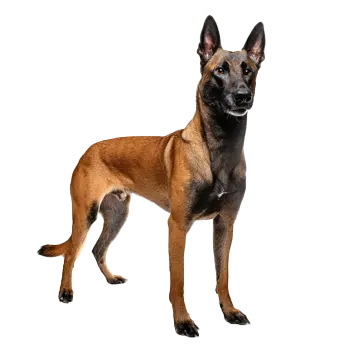
The Belgian Malinois is a medium-sized, athletic breed that embodies elegance combined with substantial working capability. Males typically stand between 24 and 26 inches at the shoulder and weigh 60 to 80 pounds, while females measure 22 to 24 inches tall and weigh between 40 and 60 pounds. The breed possesses a square-proportioned body that appears lean yet powerful, with well-developed musculature throughout the chest, shoulders, and hindquarters that enables impressive speed, agility, and endurance. The head is clean-cut and moderately pointed rather than rounded, carried proudly on a well-muscled neck that flows smoothly into sloping shoulders designed for efficient movement. The coat is short, straight, and dense enough to provide weather resistance while remaining easy to maintain through regular brushing. A slightly longer layer of fur protects the neck area, forming a subtle collarette that adds to the breed's distinguished appearance. Coat colors range from rich fawn to deep mahogany, always accompanied by the breed's characteristic black mask covering the face and black-tipped overlay on the body that creates depth and richness to the coloring. The triangular ears stand fully erect and are set high on the head, contributing to the alert, intelligent expression that defines the breed. Distinctive features include dark brown, medium-sized almond-shaped eyes that convey an attentive, questioning expression reflecting keen intelligence. The tail is strong at the base, reaching to the hock, and is typically carried with a slight curve when active but never curled over the back. The feet are round and cat-like with well-arched toes and thick pads suited for various terrain. The chest is deep but not overly broad, allowing for excellent lung capacity while maintaining the streamlined silhouette essential for agility. The overall impression is one of balanced proportions combining refined appearance with obvious physical capability, reflecting heritage as a versatile working dog developed for demanding herding and protection tasks.
Key Characteristics
Temperament Temperament Temperament Temperament Temperament Temperament The Belgian Malinois exhibits strong herding and prey drive instincts that influence behavior around smaller animals and during play, sometimes causing them to nip at heels or chase moving objects. They thrive in environments where they have a meaningful job to perform, whether in formal working roles or through demanding canine sports including agility, obedience, and protection work. While deeply loyal to their families, these dogs are not suited for novice owners or households unable to meet their demanding requirements. Their sensitivity and intelligence make them highly responsive to their handler's emotions, creating a deeply rewarding partnership for those prepared for the commitment.
Health Considerations Health Considerations Health Considerations Health Considerations Health Considerations Health Considerations Additional health concerns include hypothyroidism, which affects metabolism and can cause weight gain, lethargy, and coat problems. Epilepsy, a neurological condition causing seizures, typically emerges in young adults and requires lifelong management. The breed faces notable risk for bloat or gastric dilatation-volvulus, a life-threatening emergency where the stomach twists, requiring immediate veterinary intervention. Hemangiosarcoma, an aggressive cancer affecting blood vessel cells, has been documented in the breed. The typical lifespan ranges from 10 to 14 years, with health screening including OFA hip and elbow evaluations and eye clearances strongly recommended for breeding stock.
Dutch Shepherd
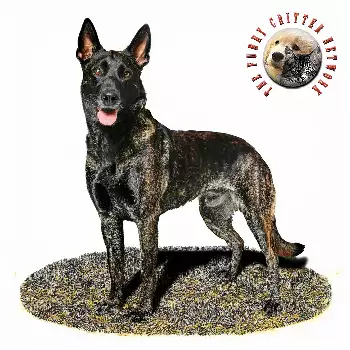
The Dutch Shepherd is a medium-sized, well-muscled herding breed that combines athletic capability with balanced proportions designed for all-day work. Males typically stand between 22.5 and 24.5 inches at the shoulder and weigh 50 to 70 pounds, while females measure 21.5 to 23.5 inches and share a similar weight range. The breed standard specifies a body that is slightly longer than tall, maintaining approximately a 10 to 9 ratio that provides optimal leverage for herding movements and sustained activity. Unique among shepherd breeds worldwide, the Dutch Shepherd comes exclusively in brindle patterns over either a gold or silver base color, making identification straightforward. This distinctive coloring features dark brown or black striping that creates a tiger-stripe effect throughout the coat. Three coat varieties exist within the breed: short-haired with a close-lying, hard coat and dense undercoat; long-haired featuring flat, harsh outer hair with a woolly undercoat and distinct feathering; and rough-haired characterized by a tousled, medium-length coat with a dense underlayer and distinctive facial furnishings including beard and eyebrows. The head appears wedge-shaped when viewed from above and in profile, with a flat skull and moderate stop creating a refined appearance. Almond-shaped dark eyes convey an intelligent, alert expression characteristic of working shepherd breeds. The ears are medium-sized, stiff, and carried erect when the dog is attentive. The tail hangs naturally with a slight curve at rest and rises moderately during movement without curling over the back. The muscular neck flows smoothly into well-laid shoulders, supporting efficient, ground-covering movement. The feet are oval-shaped with well-arched toes and tough pads. Overall, the Dutch Shepherd presents as a capable, unpretentious working dog whose form reflects its historical function as a versatile farm and herding breed from the Netherlands.
Key Characteristics
Temperament Temperament Temperament Temperament Temperament Temperament The breed maintains strong herding and guarding instincts rooted in their agricultural origins, where they protected flocks and drove livestock to market. These instincts can manifest as chasing behavior or attempts to herd family members, particularly children, requiring early training to establish appropriate boundaries. Dutch Shepherds typically require substantial daily exercise, including long walks, runs, or active play sessions totaling at least one to two hours, along with mental stimulation through training or puzzle toys. They generally get along well with other dogs when properly socialized, though some individuals may display same-sex aggression typical of working breeds.
Health Considerations Health Considerations Health Considerations Health Considerations Health Considerations Health Considerations The rough-haired variety faces additional risk for goniodysplasia, an eye condition affecting fluid drainage that can lead to glaucoma and vision loss. Hypothyroidism occurs in Dutch Shepherds, affecting metabolism and potentially causing weight gain, lethargy, and coat changes. Some individuals develop allergies manifesting as skin irritation or digestive upset. Masticatory myositis, an inflammatory condition affecting jaw muscles, has been reported. Pannus, an immune-mediated eye condition, requires monitoring. The breed demonstrates sensitivity to certain anesthetics, warranting veterinary awareness during surgical procedures. Expected lifespan ranges from 11 to 14 years with appropriate health care and screening.
Important to Remember
Each hybrid dog is unique and may inherit any combination of traits from either parent breed. The information above represents the characteristics of the purebred parent breeds. Your Mali-dutchie may favor one parent over the other or display a blend of both. We strongly encourage you to read the complete breed profiles for both the Belgian Malinois and Dutch Shepherd to fully understand the range of possible temperaments, health concerns, and care requirements.