Mal-Shi
The Mal-Shi is a cross between the Maltese and the Shih Tzu. Because each hybrid inherits a unique combination of traits from both parents, we recommend thoroughly researching both breeds before choosing a Mal-Shi. Pay special attention to temperament, health issues, and care requirements, as your dog may express characteristics from either parent breed.
Maltese

The Maltese is a toy breed of remarkable elegance, weighing under seven pounds with an ideal weight between four and six pounds for show specimens. Standing approximately eight to ten inches at the shoulder, these small dogs possess a compact, fine-boned structure that conveys both delicacy and surprising sturdiness. The body is slightly longer than it is tall, with a level topline and moderate tuck-up that creates a balanced silhouette. Their movement is smooth and flowing, with a jaunty, free-moving gait that expresses the breed's lively spirit. The forelegs move straight with no paddling or weaving, while strong rear drive provides efficient propulsion. The breed's most distinguishing feature is its stunning pure white coat, which is single-layered and composed of silky, straight hair that hangs flat and long, often reaching floor length in mature dogs. While pure white is the standard, slight lemon or tan shading on the ears is acceptable in the show ring. The absence of an undercoat means the Maltese does not shed heavily, making them popular among those seeking a low-shedding companion. However, the coat requires regular grooming to prevent matting and maintain its lustrous, flowing appearance. The hair naturally parts down the center of the back and flows evenly on both sides, creating a curtain effect that is particularly beautiful when the dog is in motion. The Maltese head is slightly rounded on top with a moderate stop and a fine, tapered muzzle of medium length that is neither snipy nor blunt. The nose, eye rims, and lips should be black, creating a striking contrast against the white coat that enhances the breed's expressive appearance. Large, dark, round eyes are set not too far apart and express a gentle yet alert demeanor. Drop ears are set low and heavily feathered with long hair that blends seamlessly into the body coat. The neck is of sufficient length to allow for high head carriage. The tail is a graceful plume covered with long, silky hair, carried over the back with its tip lying to the side. Compact feet with black paw pads and well-arched toes complete the picture. Overall, the Maltese presents a picture of refined beauty combined with a spirited, vigorous constitution.
Key Characteristics
Temperament Temperament Temperament Temperament Temperament Temperament While friendly and outgoing, Maltese dogs can be somewhat reserved with strangers initially, warming up once they sense the person is welcome. They may bark to alert their owners to visitors or unusual sounds, making them effective little watchdogs. Socialization from an early age helps ensure they grow into confident, well-adjusted adults. Maltese can be good with gentle, respectful children but may be too small and fragile for households with very young or rambunctious kids. They often do well with other pets when properly introduced. Separation anxiety can develop if they are left alone too frequently, as they strongly prefer constant companionship.
Health Considerations Health Considerations Health Considerations Health Considerations Health Considerations Health Considerations Collapsed trachea is a condition where the cartilage rings supporting the windpipe weaken, causing breathing difficulties and a characteristic honking cough. Management typically involves weight control, harness use instead of collars, and sometimes medication. White Dog Shaker Syndrome is an idiopathic condition causing full-body tremors in small white dogs, including Maltese. While the tremors can be alarming, the condition is usually manageable with medication. Hypoglycemia, or low blood sugar, can affect Maltese puppies and small adults, requiring careful attention to regular feeding schedules. Progressive retinal atrophy and dental disease due to crowded teeth in small mouths are additional concerns. Regular veterinary check-ups help monitor for these conditions, and responsible breeders screen their dogs to reduce hereditary disease transmission.
Shih Tzu
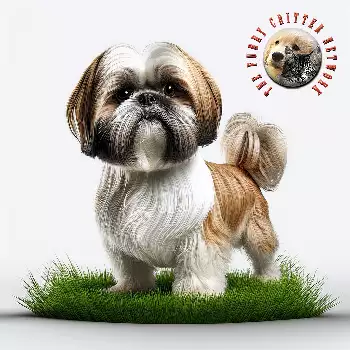
The Shih Tzu is a sturdy, compact toy breed that stands between eight and eleven inches at the shoulder, with nine to ten and a half inches being ideal according to breed standards. Weight ranges from nine to sixteen pounds, with the dog always appearing solid and carrying good substance regardless of size. The body is slightly longer than tall when measured from withers to tail root versus withers to ground, creating a well-proportioned silhouette that conveys strength without coarseness. These dogs carry themselves with a distinctly arrogant bearing, head held high and tail curved gracefully over the back, reflecting their imperial Chinese heritage as prized palace companions. The breed's luxurious double coat is perhaps its most spectacular feature, consisting of a dense, soft undercoat covered by a long, flowing outer coat that can reach floor length in mature dogs. The coat may be straight or slightly wavy and comes in virtually all colors, with any shade or combination being equally acceptable under the breed standard. The distinctive way the hair grows upward from the bridge of the nose and around the face gives the Shih Tzu its characteristic chrysanthemum-like appearance, a feature that should never impair the dog's vision. Regular grooming is essential to maintain the coat's beauty and prevent painful matting, though many pet owners choose to keep their Shih Tzus in a shorter, more manageable clip. The Shih Tzu head is broad and round, set with large, warm, dark eyes that are prominent but not bulging. The expression is friendly, trusting, and sweet, inviting interaction and conveying the breed's gentle nature. The short, square muzzle is unwrinkled with good cushioning, and an undershot bite is required by breed standards. Large, heavily-coated drop ears hang close to the head, framing the face beautifully. The neck is well-set and flows smoothly into the shoulders, providing elegant head carriage. The tail is set high and carried in a gentle curve well over the back, creating a balanced outline that complements the breed's proud bearing. Double dewclaws on the rear legs are common. Compact, well-padded feet support the body. The overall impression is of a proud, aristocratic companion dog with ancient Chinese heritage evident in every aspect of its refined appearance.
Key Characteristics
Temperament Temperament Temperament Temperament Temperament Temperament Training a Shih Tzu requires patience and a sense of humor, as these dogs possess an independent streak that reflects their aristocratic heritage. They are intelligent and capable of learning, but may not always see the point in following commands. Positive reinforcement methods work best, as they respond poorly to harsh treatment. House training can be challenging and may take longer than with some other breeds. Early socialization is important to ensure they develop into well-rounded adults. Their moderate energy level makes them adaptable to various living situations, and they are particularly well-suited to apartment life where they can be close to their beloved humans.
Health Considerations Health Considerations Health Considerations Health Considerations Health Considerations Health Considerations Eye problems are particularly prevalent in this breed due to their prominent eyes and facial structure. Conditions include progressive retinal atrophy leading to blindness, cataracts, dry eye requiring lifelong treatment, cherry eye where the third eyelid gland prolapses, and corneal ulcers from injury or irritation. The facial folds and large eyes make regular cleaning and monitoring essential to prevent infection and injury. Ear infections can develop in their pendulous, heavily-coated ears if moisture and debris accumulate, requiring regular ear cleaning as part of routine grooming. Hypothyroidism, affecting the thyroid gland's hormone production, and anal sac impaction are additional concerns that may require veterinary attention. With typical lifespans of 10 to 18 years, responsible breeding practices and regular health screenings help reduce the incidence of inherited conditions.
Important to Remember
Each hybrid dog is unique and may inherit any combination of traits from either parent breed. The information above represents the characteristics of the purebred parent breeds. Your Mal-Shi may favor one parent over the other or display a blend of both. We strongly encourage you to read the complete breed profiles for both the Maltese and Shih Tzu to fully understand the range of possible temperaments, health concerns, and care requirements.