King Charles Yorkie
The King Charles Yorkie is a cross between the Cavalier King Charles Spaniel and the Yorkshire Terrier. Because each hybrid inherits a unique combination of traits from both parents, we recommend thoroughly researching both breeds before choosing a King Charles Yorkie. Pay special attention to temperament, health issues, and care requirements, as your dog may express characteristics from either parent breed.
Cavalier King Charles Spaniel
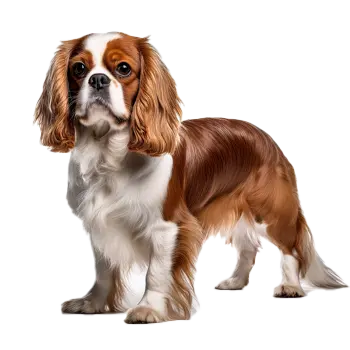
The Cavalier King Charles Spaniel is a small, elegant toy breed that stands between 12 and 13 inches tall at the shoulder and typically weighs between 13 and 18 pounds. This breed exhibits a well-balanced, compact body that is slightly longer than it is tall, giving it a graceful yet sturdy appearance. The Cavalier carries itself with a gentle, noble expression that reflects its aristocratic heritage. Despite being classified as a toy breed, these dogs possess a moderate bone structure and athletic build that hints at their spaniel ancestry and sporting capabilities. Their movement is free and elegant, with good reach and drive. The breed's coat is one of its most distinctive features, consisting of silky, medium-length fur that may have a slight wave but should never be curly. Feathering appears on the ears, chest, legs, feet, and tail, adding to the breed's elegant appearance. Cavaliers come in four recognized color patterns: Blenheim, which features rich chestnut markings on a pearly white background; tricolor, combining black and white with tan markings over the eyes and on the cheeks; black and tan, showing jet black with rich tan markings; and ruby, a solid rich reddish-brown color throughout. The Blenheim pattern often includes a distinctive lozenge-shaped spot on the top of the head, sometimes called the Blenheim spot or kissing spot. The Cavalier's head is proportionate to its body with a slightly rounded skull and a full muzzle that tapers gently toward the nose. The breed is known for its large, round, dark brown eyes that convey a sweet, gentle expression characteristic of the breed. The ears are set high and are long and well-feathered, framing the face beautifully. The nose is typically black with well-developed nostrils. The tail is carried happily but never much above the level of the back, and it may be left natural or docked to a length that balances with the body.
Key Characteristics
Temperament Temperament Temperament Temperament Temperament Temperament Cavaliers are typically friendly and sociable with strangers and other animals, rarely displaying aggression, nervousness, or excessive shyness. They do not make effective guard dogs because they tend to greet everyone as a potential friend. Their adaptable nature allows them to thrive in various living situations, from apartments to large homes with yards. However, their strong need for human companionship means they should not be left alone for extended periods, as they can develop separation anxiety. These dogs flourish when they receive consistent attention, gentle handling, and the opportunity to be part of all family activities.
Health Considerations Health Considerations Health Considerations Health Considerations Health Considerations Health Considerations Additional health concerns in the breed include patellar luxation, where the kneecap dislocates from its normal position; hip dysplasia; various eye conditions such as cataracts, retinal dysplasia, and dry eye syndrome; and episodic falling syndrome, a condition unique to the breed that causes temporary muscle stiffness during exercise or excitement. Cavaliers may also experience dental problems due to their small mouths and are prone to ear infections because of their long, floppy ears. The breed's average lifespan ranges from 9 to 14 years, though responsible breeding practices and regular veterinary care can help ensure the longest, healthiest life possible.
Yorkshire Terrier
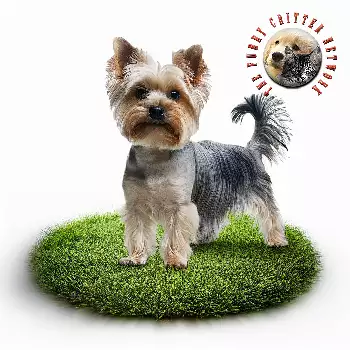
The Yorkshire Terrier is a diminutive yet striking toy breed that typically stands between 7 and 8 inches tall at the shoulder and weighs no more than 7 pounds according to the American Kennel Club breed standard. Despite their tiny stature, Yorkies possess a compact, well-proportioned body with a level topline and a confident carriage that belies their small size. The breed's overall silhouette should appear neat and elegant, with a balanced structure that allows for free, effortless movement. Their small, V-shaped ears are carried erect or semi-erect, contributing to their alert, intelligent expression. The Yorkshire Terrier's coat is perhaps its most celebrated feature and distinguishes it from virtually all other breeds. The hair is fine, silky, and perfectly straight, growing continuously much like human hair rather than fur. In show dogs, the coat is typically grown floor-length and parted down the middle of the back, creating a dramatic, flowing appearance. The breed's signature coloring consists of a dark steel blue on the body and tail, with a rich golden tan on the head, chest, and legs. Puppies are born black and tan, gradually developing their adult coloring as they mature over the first two to three years of life. The Yorkshire Terrier's head is rather small and flat on top, with a medium-length muzzle that should not be too long or snipey. Their eyes are medium-sized, dark, and sparkling with intelligence and curiosity. The nose is black and the teeth should meet in either a scissors or level bite. Many owners choose to keep their Yorkie's coat trimmed in a shorter, more manageable style known as a puppy cut, which reduces grooming requirements while still maintaining the breed's charming appearance. Regardless of coat length, the breed's refined features and proud demeanor give it an appearance of self-importance that Yorkie enthusiasts find irresistible.
Key Characteristics
Temperament Temperament Temperament Temperament Temperament Temperament Training a Yorkshire Terrier requires patience and consistency, as the breed can exhibit a stubborn streak typical of terriers. They respond best to positive reinforcement methods and can excel in obedience and agility when properly motivated. Early socialization is particularly important for Yorkies to prevent the development of excessive timidity or aggression toward strangers and other animals. Despite their bold demeanor, poorly socialized Yorkies may become anxious or snappy in unfamiliar situations. The breed retains strong prey drive instincts from its ratting heritage, and many Yorkies will enthusiastically chase small animals, squirrels, and even cats if not properly managed.
Health Considerations Health Considerations Health Considerations Health Considerations Health Considerations Health Considerations Yorkshire Terriers are also prone to hypoglycemia, particularly as puppies, due to their small size and high metabolism. This condition causes low blood sugar and can result in weakness, trembling, seizures, or collapse if not addressed promptly. Legg-Calve-Perthes disease, a degenerative condition affecting the hip joint, occurs with some frequency in the breed and typically appears in puppies between five and eight months of age. Additionally, Yorkies may develop progressive retinal atrophy, cataracts, and liver shunts, where blood bypasses the liver and fails to be properly filtered. Regular veterinary checkups and awareness of these breed-specific conditions help ensure early detection and appropriate management throughout the dog's life.
Important to Remember
Each hybrid dog is unique and may inherit any combination of traits from either parent breed. The information above represents the characteristics of the purebred parent breeds. Your King Charles Yorkie may favor one parent over the other or display a blend of both. We strongly encourage you to read the complete breed profiles for both the Cavalier King Charles Spaniel and Yorkshire Terrier to fully understand the range of possible temperaments, health concerns, and care requirements.