Hava Klee
The Hava Klee is a cross between the Havanese and the Alaskan Klee Kai. Because each hybrid inherits a unique combination of traits from both parents, we recommend thoroughly researching both breeds before choosing a Hava Klee. Pay special attention to temperament, health issues, and care requirements, as your dog may express characteristics from either parent breed.
Havanese

The Havanese is a small, sturdy toy breed standing between 8.5 and 11.5 inches at the shoulder, with the ideal height ranging from 9 to 10.5 inches. These dogs typically weigh between 7 and 13 pounds, though the breed standard allows weights up to 18 pounds. The body is slightly longer than it is tall, creating a rectangular silhouette that distinguishes the breed. The topline is characteristically level but rises slightly from the withers to the croup, giving the Havanese its distinctive outline and contributing to its springy, lively gait. The chest is moderately deep with well-sprung ribs, providing ample lung capacity for the breed's active nature. The breed's most notable feature is its magnificent double coat, which is long, soft, and silky to the touch. Unlike many other long-coated breeds, the Havanese coat can be either straight or wavy, with both varieties equally acceptable in the show ring. The outer coat is lightweight and flowing, while the undercoat is sometimes minimal or absent entirely. This unique coat texture has earned the breed the nickname "Havana Silk Dog." All colors and patterns are acceptable, including solid shades, parti-colors, and various combinations of white, cream, fawn, gold, black, blue, silver, chocolate, and red. The coat does not shed heavily but requires regular grooming to prevent matting. The Havanese head is broad and slightly rounded, with a moderate stop and a full muzzle that tapers slightly toward the nose. The large, almond-shaped eyes are dark brown and convey an intelligent, mischievous expression that perfectly captures the breed's playful personality. Drop ears are set high on the head and covered with long, silky hair that blends seamlessly into the body coat. The plumed tail is carried arched forward over the back when the dog is alert, adding to the breed's elegant appearance. The legs are straight and well-boned, and the feet are compact with well-arched toes and thick pads, adapted for the breed's characteristic springy, effortless movement.
Key Characteristics
Temperament Temperament Temperament Temperament Temperament Temperament While the Havanese is generally friendly with strangers after proper introductions, they make excellent watchdogs and will alert their families to visitors or unusual sounds. This watchful nature rarely crosses into aggression, as the breed is fundamentally gentle and sociable. The Havanese typically gets along wonderfully with children, other dogs, and even cats when properly socialized. One important consideration is the breed's tendency toward separation anxiety. These devoted companions do not tolerate being left alone for extended periods and may develop destructive behaviors or excessive barking if isolated from their families for too long.
Health Considerations Health Considerations Health Considerations Health Considerations Health Considerations Health Considerations Legg-Calve-Perthes disease affects some Havanese, causing degeneration of the femoral head and resulting in pain and lameness. Hip dysplasia, though more commonly associated with larger breeds, can also occur in Havanese and should be screened for in breeding dogs. Liver shunts, also called portosystemic shunts, are congenital abnormalities where blood bypasses the liver, leading to toxin buildup and various symptoms including stunted growth and neurological issues. Heart murmurs and other cardiac conditions have been documented in the breed, as have hypothyroidism and various allergies. Dental disease is particularly prevalent in small breeds like the Havanese, making regular dental care and professional cleanings essential components of their health maintenance program.
Alaskan Klee Kai
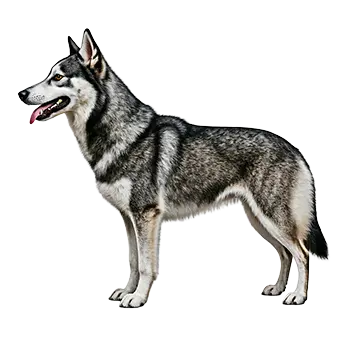
The Alaskan Klee Kai is a spitz-type breed developed to be a smaller companion version of the Alaskan Husky, and its name means "small dog" in Inuit dialects. This breed comes in three recognized size varieties: Toy, standing up to 13 inches at the shoulder; Miniature, measuring over 13 inches up to 15 inches; and Standard, standing over 15 inches up to 17 inches tall. Weight ranges from approximately 5 to 22 pounds depending on the size variety, with the breed maintaining proper proportions across all sizes. The body is slightly longer than it is tall, creating a rectangular outline that reflects its northern heritage. The Alaskan Klee Kai possesses a striking double coat that is one of its most distinguishing features. The dense undercoat provides insulation, while the longer guard hairs of the outer coat create a beautiful, fluffy appearance. The coat is typically shorter on the head and legs and longer on the body, neck, and tail. Accepted colors include black and white, gray and white, wolf gray and white, and red and white, with solid white being the only permissible solid color. The breed's most recognizable feature is its distinctive facial mask, which creates a striking contrast between the dark fur around the eyes and the lighter surrounding areas, resembling a set of goggles. The head of the Alaskan Klee Kai is wedge-shaped and proportionate to the body, with a moderate stop between the skull and muzzle. The eyes are medium-sized and can be any color or combination, including brown, blue, green, or parti-colored. The ears are erect, triangular, and set high on the head, contributing to the breed's alert expression. The tail is well-furred and typically curls over the back when the dog is alert or moving, a characteristic trait of northern breeds. The feet are compact and well-padded, designed for the breed's active lifestyle.
Key Characteristics
Temperament Temperament Temperament Temperament Temperament Temperament Within the family circle, the Alaskan Klee Kai is affectionate, loyal, and devoted. They bond strongly with their owners and thrive on interaction and companionship. The breed requires consistent training and early socialization to develop confidence around new people and situations. Positive reinforcement methods work best, as these sensitive dogs do not respond well to harsh corrections. While they generally get along with other dogs, the Alaskan Klee Kai possesses a notable prey drive inherited from their northern ancestors, which means they may not be suitable for homes with small pets such as hamsters, rabbits, or cats unless raised together from an early age. Regular mental and physical stimulation is essential to prevent boredom-related behavioral problems.
Health Considerations Health Considerations Health Considerations Health Considerations Health Considerations Health Considerations Juvenile cataracts and other eye conditions have been documented in the Alaskan Klee Kai, making regular ophthalmologic examinations an important component of preventive care. Autoimmune thyroiditis, which leads to hypothyroidism, has also been observed in the breed and should be monitored through regular blood testing. Cardiac defects and liver disease, including liver shunts, have been reported in some lines, though these conditions are relatively uncommon. Cryptorchidism, where one or both testicles fail to descend properly, occurs occasionally in male puppies. Reputable breeders conduct health screenings on breeding stock and can provide documentation of testing to help ensure the healthiest possible puppies.
Important to Remember
Each hybrid dog is unique and may inherit any combination of traits from either parent breed. The information above represents the characteristics of the purebred parent breeds. Your Hava Klee may favor one parent over the other or display a blend of both. We strongly encourage you to read the complete breed profiles for both the Havanese and Alaskan Klee Kai to fully understand the range of possible temperaments, health concerns, and care requirements.