Croatian Sheepsky
The Croatian Sheepsky is a cross between the Croatian Sheepdog and the Siberian Husky. Because each hybrid inherits a unique combination of traits from both parents, we recommend thoroughly researching both breeds before choosing a Croatian Sheepsky. Pay special attention to temperament, health issues, and care requirements, as your dog may express characteristics from either parent breed.
Croatian Sheepdog
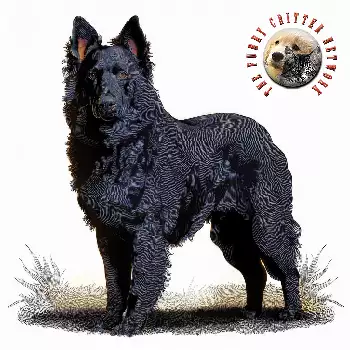
The Croatian Sheepdog is a medium-sized herding breed with a distinctive fox-like appearance that reflects its centuries of development in the Croatian countryside. Males typically stand between 45 and 50 centimeters at the withers, while females measure 43 to 48 centimeters, with exceptional specimens allowed a tolerance of plus or minus three centimeters. The breed weighs between 13 and 20 kilograms, presenting an athletic and agile frame supported by strong bones and well-developed muscles designed for endurance during herding tasks. The body proportions are rectangular, with the length exceeding the height at the withers by approximately eight to ten percent in males and eight to twelve percent in females, creating a compact yet vigorous build well-suited for agility and sustained activity. The most striking feature of the Croatian Sheepdog is its distinctive black coat, which is always the base color with only very small patches of white permitted on the chest and toes. The outer coat is wavy or curly and moderately long, measuring between six and fourteen centimeters on the body, while the hair on the fox-like head and legs remains characteristically short. This creates a unique visual contrast that is immediately recognizable. The breed possesses a double coat with a soft, dense undercoat that provides excellent protection against varying weather conditions. The ears are triangular and set high, carried erect or semi-erect when the dog is alert. The head of the Croatian Sheepdog is blunt wedge-shaped and relatively long, with the skull slightly longer than the muzzle and parallel planes between them. The skull is harmoniously rounded with a moderately developed stop and a strong lower jaw. Eyes are medium-sized, oval-shaped, and dark in color, ranging from black to dark chestnut brown, set at an angle that gives the breed its alert and intelligent expression. The tail was traditionally docked very short, but when left natural, it curves over the back in a gentle arc. Overall, the breed presents as a well-balanced, rustic working dog built for stamina and versatility.
Key Characteristics
Temperament Temperament Temperament Temperament Temperament Temperament Croatian Sheepdogs generally do well with children when properly socialized, displaying patience and affection in family settings. However, their strong herding instincts may prompt them to nip at heels or attempt to control children's movements during play, necessitating supervision and training to ensure safe interactions. They are typically compatible with other dogs and household pets when introduced properly from a young age. The breed is notorious for its love of digging and can become destructive if left alone without adequate mental and physical stimulation. Their alert nature makes them excellent watchdogs, as they will readily bark to announce the presence of visitors or unusual activity.
Health Considerations Health Considerations Health Considerations Health Considerations Health Considerations Health Considerations Other health considerations include patellar luxation, a condition affecting the kneecap that can cause intermittent lameness, and occasional whelping difficulties in females due to the relatively large size of puppies. Males may sometimes experience retained testicles, which should be addressed surgically if they do not descend naturally. Regular veterinary checkups are essential for early detection of any developing health issues. Maintaining an appropriate weight through proper diet and exercise is crucial, as excess weight can exacerbate joint problems and reduce overall longevity. The breed's double coat requires regular grooming to prevent matting and allows for monitoring of skin health, while their erect or semi-erect ears typically experience fewer infections than breeds with pendant ears.
Siberian Husky
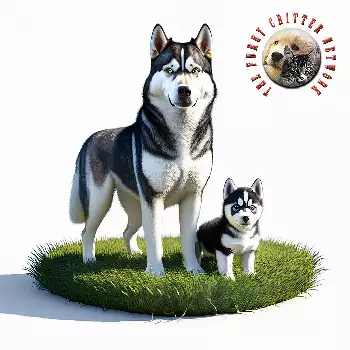
The Siberian Husky is a medium-sized working dog that presents a picture of power, speed, and endurance bred into sled dogs over thousands of years by the Chukchi people of northeastern Siberia. Males typically stand between 21 and 23.5 inches at the shoulder and weigh 45 to 60 pounds, while females are slightly smaller at 20 to 22 inches and 35 to 50 pounds. The breed possesses a well-balanced, moderately compact body with a straight back and deep chest that reflects its heritage as an efficient endurance athlete capable of pulling light loads at moderate speeds over vast distances in harsh arctic conditions. The Siberian Husky's double coat is perhaps its most essential feature for survival in extreme climates. The medium-length outer coat is straight and lies smoothly against the body, while the dense, soft undercoat provides exceptional insulation. All coat colors are acceptable, ranging from pure white to solid black, with the most common patterns being gray and white, black and white, and red and white. Distinctive facial markings frequently include a cap, spectacles, or mask patterns. The breed's almond-shaped eyes can be brown, blue, or one of each color, a striking condition known as heterochromia that is uniquely accepted in this breed. The head of the Siberian Husky is medium-sized and proportionate to the body, with a slightly rounded skull and a well-defined stop. The triangular ears are set high on the head and carried erect, contributing to the breed's alert and intelligent expression. The muzzle tapers gradually to a rounded nose that can be black, liver, or flesh-colored depending on coat color. The characteristic brush tail is fox-like and well-furred, typically carried in a graceful sickle curve over the back when the dog is alert, creating the distinctive "Siberian swirl." When relaxed, the tail hangs down naturally. The breed moves with an effortless, seemingly tireless gait that reflects generations of selection for efficient locomotion.
Key Characteristics
Temperament Temperament Temperament Temperament Temperament Temperament Siberian Huskies require substantial daily exercise, typically one to two hours of vigorous activity, to remain physically and mentally healthy. Without adequate stimulation, they can become destructive and develop problem behaviors. The breed is famous for its escape artistry, capable of jumping fences, digging under barriers, or finding other creative ways to explore their surroundings. They are notably vocal dogs that tend to howl rather than bark, and they enjoy "talking" to their owners through a range of vocalizations. Their high energy levels and exercise needs make them best suited for active families or individuals who can provide ample opportunities for running, hiking, or participation in activities like sledding or skijoring.
Health Considerations Health Considerations Health Considerations Health Considerations Health Considerations Health Considerations Other health considerations include hip dysplasia, though the incidence in Siberian Huskies is relatively low compared to many other medium and large breeds. Hypothyroidism, a condition affecting the thyroid gland that can cause weight gain, lethargy, and skin problems, occurs with some frequency in the breed and is manageable with daily medication. Zinc-responsive dermatosis is a skin condition particularly associated with northern breeds, causing hair loss and skin lesions that respond to zinc supplementation. Follicular dysplasia may cause coat abnormalities. Epilepsy has also been documented in the breed. Maintaining a healthy weight, providing appropriate exercise, and scheduling regular veterinary checkups are essential for early detection and management of potential health issues in this active and athletic breed.
Important to Remember
Each hybrid dog is unique and may inherit any combination of traits from either parent breed. The information above represents the characteristics of the purebred parent breeds. Your Croatian Sheepsky may favor one parent over the other or display a blend of both. We strongly encourage you to read the complete breed profiles for both the Croatian Sheepdog and Siberian Husky to fully understand the range of possible temperaments, health concerns, and care requirements.