Corkie
The Corkie is a cross between the Cocker Spaniel and the Yorkshire Terrier. Because each hybrid inherits a unique combination of traits from both parents, we recommend thoroughly researching both breeds before choosing a Corkie. Pay special attention to temperament, health issues, and care requirements, as your dog may express characteristics from either parent breed.
Cocker Spaniel
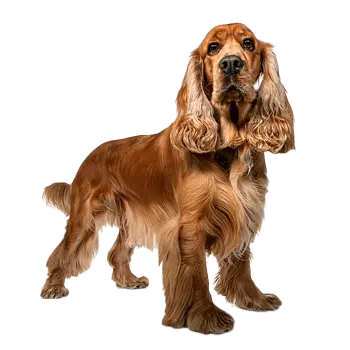
The American Cocker Spaniel is the smallest member of the sporting group, presenting a compact, sturdy body that combines the refinement of a companion dog with the athleticism of a working spaniel bred for flushing and retrieving game birds. Males stand approximately 14.5 to 15.5 inches at the shoulder and weigh 25 to 30 pounds, while females measure 13.5 to 14.5 inches and weigh 20 to 25 pounds. The breed displays a balanced, well-proportioned frame with a gently rounded skull, broad, deep muzzle, and the characteristic expression created by large, round, dark eyes that convey intelligence and gentle alertness. The distinctive expression of melting softness appeals to owners worldwide. The ears are long, lobular, well-feathered, and set low on the head, framing the face beautifully and contributing to the breed's appealing, endearing expression. The Cocker Spaniel's silky coat is one of its most distinctive and admired features, lying flat or slightly wavy against the body with abundant feathering on the ears, chest, abdomen, and legs that requires dedicated grooming attention. The breed comes in three color varieties for show purposes: black, any solid color other than black including cream, buff, brown, red, and chocolate, and parti-colors featuring two or more distinct colors with one being white. Merle patterns, roan variations, and tan points also occur in the breed. The coat requires regular professional grooming every six to eight weeks and daily brushing between appointments to prevent matting and maintain its lustrous, flowing appearance. The Cocker Spaniel moves with a smooth, effortless gait that demonstrates their sporting heritage, covering ground efficiently with good reach in front and strong drive from behind while maintaining a level topline. The back is strong and slopes gently from withers to the set-on of the docked tail, which wags enthusiastically and constantly when the dog is in motion, reflecting the breed's merry temperament. The feet are compact, round, and well-padded with thick pads that support the breed's active lifestyle. Overall, the American Cocker Spaniel combines beauty with functionality, reflecting both their show ring refinement and their historical role as skilled, tireless hunting companions.
Key Characteristics
Temperament Temperament Temperament Temperament Temperament Temperament Cocker Spaniels typically get along excellently with children, other dogs, and pets when properly socialized. Their gentle, patient nature makes them particularly good playmates for families with children, though supervision is always recommended. Some Cockers can be timid or shy without adequate socialization during puppyhood, potentially leading to anxiety around strangers or unfamiliar situations. The breed requires moderate daily exercise to remain physically and mentally healthy, enjoying walks, playtime, and especially activities that engage their natural retrieving instincts. Their adaptable nature allows them to thrive in various living situations, from apartments to houses with large yards, provided their exercise and companionship needs are met.
Health Considerations Health Considerations Health Considerations Health Considerations Health Considerations Health Considerations Heart conditions including patent ductus arteriosus and mitral valve disease affect some Cocker Spaniels, with cardiac evaluations recommended as part of breeding programs. Allergies and skin conditions are common, often manifesting as itchy skin, recurrent infections, or hot spots. Dental disease is prevalent in the breed and requires regular dental care. The breed's popularity unfortunately led to overbreeding in some lines, making selection of a reputable breeder who health tests their dogs particularly important. Regular veterinary checkups and awareness of breed-specific health concerns help ensure Cocker Spaniels live healthy, comfortable lives.
Yorkshire Terrier
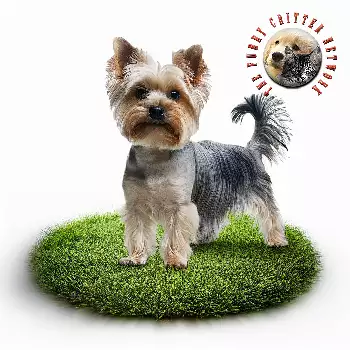
The Yorkshire Terrier is a compact, well-proportioned toy terrier whose elegant appearance belies its origins as a working ratter in English mills and mines. Standing 7 to 9 inches at the shoulder and weighing no more than 7 pounds according to breed standards, with most falling between 4 to 7 pounds, the Yorkie presents a neat, compact silhouette with a level topline and well-proportioned structure. The head is small and rather flat on top, with a medium-length muzzle, black nose, and either a scissors or level bite. Dark, medium-sized eyes sparkle with sharp intelligence, and small, V-shaped ears are carried erect, adding to the breed's alert, confident expression. The Yorkshire Terrier's coat is perhaps its most celebrated feature, consisting of long, fine, silky hair that is perfectly straight and glossy. Unlike double-coated breeds, the Yorkie possesses a single coat that grows continuously, similar to human hair. The coat is parted along the spine from the back of the skull to the root of the tail, falling evenly and straight on each side of the body. Show dogs wear their coats floor-length, while pet Yorkies are often kept in shorter, more manageable trims. The breed's coat colors follow a specific pattern: puppies are born black and tan, gradually developing the distinctive steel blue and rich golden tan coloring as they mature. The steel blue extends from the back of the neck to the root of the tail, and must be a dark steel blue without intermixture of fawn, bronze, or black hairs. The tan markings appear on the head, chest, and legs, with the hair darker at the roots and shading to a lighter tan at the tips. In show presentation, the long fall of hair on the head is typically tied with a bow to keep it from the eyes. The breed moves with free, easy movement showing good reach and drive, carrying the high head carriage and confident demeanor characteristic of terriers.
Key Characteristics
Temperament Temperament Temperament Temperament Temperament Temperament The breed typically bonds intensely with one particular family member while remaining affectionate with the entire household. Yorkies thrive on attention and companionship, becoming unhappy or developing behavioral issues if ignored or left alone for extended periods. Their affectionate nature expresses itself through cuddling, following their favorite people, and seeking physical closeness. While generally good with older, respectful children, Yorkies may not tolerate rough handling and are easily injured due to their small size. Early socialization helps prevent the development of excessive timidity or aggression, ensuring the Yorkie develops into a well-rounded companion.
Health Considerations Health Considerations Health Considerations Health Considerations Health Considerations Health Considerations Patellar luxation, where the kneecap slips out of position, frequently affects Yorkshire Terriers and ranges from mild to severe cases requiring surgery. Eye conditions including progressive retinal atrophy, cataracts, and retinal dysplasia occur in the breed. Heart problems, particularly patent ductus arteriosus and mitral valve disease, may develop. The breed's small size makes them vulnerable to injuries from falls or rough handling. Regular veterinary checkups and awareness of breed-specific conditions help ensure Yorkshire Terriers remain healthy throughout their typically long lives.
Important to Remember
Each hybrid dog is unique and may inherit any combination of traits from either parent breed. The information above represents the characteristics of the purebred parent breeds. Your Corkie may favor one parent over the other or display a blend of both. We strongly encourage you to read the complete breed profiles for both the Cocker Spaniel and Yorkshire Terrier to fully understand the range of possible temperaments, health concerns, and care requirements.