Chorkie
The Chorkie is a cross between the Chihuahua and the Yorkshire Terrier. Because each hybrid inherits a unique combination of traits from both parents, we recommend thoroughly researching both breeds before choosing a Chorkie. Pay special attention to temperament, health issues, and care requirements, as your dog may express characteristics from either parent breed.
Chihuahua
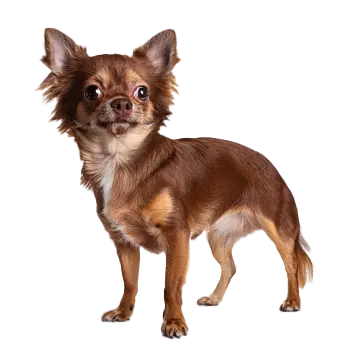
The Chihuahua holds the distinction of being the smallest recognized dog breed in the world, typically weighing between two and six pounds and standing only five to eight inches tall at the shoulder. Despite their diminutive stature, these tiny dogs possess surprisingly muscular and compact bodies with a distinctive silhouette that commands attention. The breed standard emphasizes a well-rounded, apple-shaped skull that is a hallmark characteristic, though some Chihuahuas display a deer-head variation with a longer muzzle and flatter skull. Their large, erect ears are set wide apart on the head and contribute to their alert, attentive expression, while their round, luminous eyes are typically dark in color and remarkably expressive, conveying intelligence and curiosity. Chihuahuas come in two distinct coat varieties that are equally accepted in the breed standard. The smooth-coated variety features short, glossy fur that lies close to the body, sometimes with a slightly thicker undercoat that provides minimal insulation. The long-coated variety displays soft, silky fur that may be straight or slightly wavy, with attractive feathering on the ears, legs, and tail that adds elegance to their appearance. Both coat types appear in virtually any color or combination of colors, including solid shades, marked patterns, and splashed variations. Common colorations include fawn, chocolate, black, white, cream, and various striking combinations thereof. The breed's body structure is slightly longer than it is tall, creating a rectangular outline when viewed from the side. Their moderately long tail is typically carried high, either in a curved sickle shape or forming a graceful loop over the back. Some Chihuahuas retain a soft spot on the skull called a molera, similar to a human infant's fontanel, which may or may not close completely as the dog matures. Their small, dainty feet and fine-boned legs complete the picture of this elegant miniature breed that moves with a swift, confident gait despite its tiny size. The neck is slightly arched, flowing smoothly into level shoulders, and their ribs are well-sprung but not barrel-shaped.
Key Characteristics
Temperament Temperament Temperament Temperament Temperament Temperament Chihuahuas are intelligent dogs with a playful, curious nature, though they can also be stubborn and somewhat challenging to train. They respond best to positive reinforcement methods and gentle, consistent training approaches. Their high intelligence means they can learn tricks and commands readily when properly motivated, but they may choose to ignore instructions if they perceive something more interesting. They thrive on attention and interaction with their owners, preferring to be involved in daily activities rather than left alone. While they can be good family dogs, they are generally better suited to households with older children who understand how to handle small, delicate animals respectfully.
Health Considerations Health Considerations Health Considerations Health Considerations Health Considerations Health Considerations Other health concerns include hydrocephalus, a buildup of fluid on the brain that is more common in puppies with open fontanels, and tracheal collapse, a progressive weakening of the windpipe cartilage that causes breathing difficulties and a characteristic honking cough. Eye problems such as cataracts and progressive retinal atrophy may also occur. Additionally, Chihuahuas can be prone to obesity despite their small size, and maintaining a healthy weight is crucial for preventing joint problems and other weight-related health issues. Regular veterinary checkups and preventive care help ensure these tiny companions remain healthy throughout their long lives.
Yorkshire Terrier
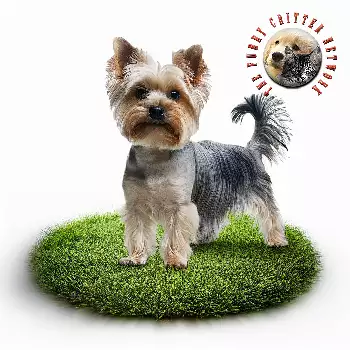
The Yorkshire Terrier is a diminutive toy breed that packs considerable elegance into its small frame, typically weighing no more than seven pounds according to the breed standard and standing approximately seven to eight inches tall at the shoulder. Despite their tiny size, Yorkies present a compact, well-proportioned body with a level topline and an air of confident self-importance. The breed's silhouette is neat and square, with the head carried high and an expression of keen alertness that belies their lapdog status. Their fine-boned structure gives them a delicate appearance, though they are sturdier than they look. The breed's most celebrated feature is its stunning coat, which is one of the most distinctive in the canine world. Unlike most dogs who have fur, Yorkshire Terriers possess hair that is silky, perfectly straight, and grows continuously much like human hair. The coat parts down the center of the back and falls evenly on both sides of the body, often reaching the ground in show specimens. Puppies are born black and tan, and the coat gradually matures to a striking steel blue and golden tan combination by adulthood. The blue coloring extends from the back of the skull to the base of the tail, while the rich tan appears on the head, chest, and legs. The Yorkshire Terrier's head features a rather small, flat skull with a moderately short muzzle and a black nose. Their medium-sized eyes are dark, sparkling with intelligence, and set forward on the face to create an alert, engaging expression. The small, V-shaped ears are carried erect and set not too far apart on the top of the head, adding to their perky, attentive appearance. The tail is customarily docked to a medium length and carried slightly higher than the level of the back. Their compact feet are round with black toenails, and they move with a free, confident gait that covers ground efficiently despite their small stride.
Key Characteristics
Temperament Temperament Temperament Temperament Temperament Temperament Despite their small size, Yorkies are intelligent, curious, and can be quite stubborn when they set their minds to something. They respond best to positive, patient training methods, though their independent streak may sometimes test their owner's persistence. They are playful and energetic, requiring regular mental stimulation and moderate exercise to stay happy and well-behaved. While they can be wonderful family companions, they are often recommended for homes with older children who understand how to interact gently with small dogs. Their courageous nature means they may not recognize their own size limitations and can sometimes get themselves into trouble by confronting much larger dogs.
Health Considerations Health Considerations Health Considerations Health Considerations Health Considerations Health Considerations Liver shunts, also known as portosystemic shunts, occur at a higher rate in Yorkshire Terriers than many other breeds. This congenital condition involves abnormal blood vessels that bypass the liver, preventing proper detoxification and often causing stunted growth, behavioral changes, or seizures. Eye problems including cataracts, dry eye, retinal dysplasia, and lens luxation may affect some individuals. Legg-Calve-Perthes disease, a deterioration of the hip joint, can cause lameness and pain in young dogs. Other health concerns include pancreatitis, heart disease such as patent ductus arteriosus, and Cushing's disease. Regular veterinary care and health screening are essential for maintaining the wellbeing of these beloved companions.
Important to Remember
Each hybrid dog is unique and may inherit any combination of traits from either parent breed. The information above represents the characteristics of the purebred parent breeds. Your Chorkie may favor one parent over the other or display a blend of both. We strongly encourage you to read the complete breed profiles for both the Chihuahua and Yorkshire Terrier to fully understand the range of possible temperaments, health concerns, and care requirements.