Cav-A-Mo
The Cav-A-Mo is a cross between the American Eskimo and the Cavalier King Charles Spaniel. Because each hybrid inherits a unique combination of traits from both parents, we recommend thoroughly researching both breeds before choosing a Cav-A-Mo. Pay special attention to temperament, health issues, and care requirements, as your dog may express characteristics from either parent breed.
American Eskimo
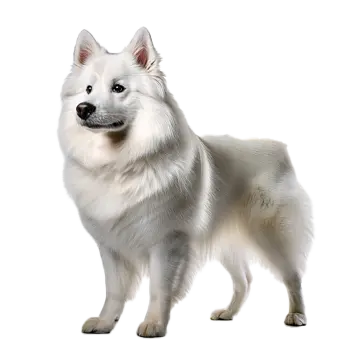
The American Eskimo Dog is a striking Nordic breed that presents a picture of beauty, alertness, and strength in a compact, well-balanced package. This breed comes in three size varieties: Toy, standing 9 to 12 inches and weighing 6 to 10 pounds; Miniature, standing 12 to 15 inches and weighing 10 to 20 pounds; and Standard, standing 15 to 19 inches and weighing 25 to 40 pounds. Regardless of size, all varieties share the same elegant proportions, with the body being slightly longer than tall and possessing a sturdy, medium-boned structure that suggests both agility and endurance. The breed moves with a smooth, effortless gait that demonstrates its athletic capabilities. The head exhibits the classic Nordic type with a wedge-shaped skull, a moderately long muzzle, and distinctive black points on the nose, lips, and eye rims that create striking contrast against the white coat. The eyes are slightly oval, medium-sized, and dark brown to black, conveying a keen, intelligent expression that misses nothing. The white eyelashes add a distinctive finishing touch to their appearance. Small, triangular ears stand erect with slightly blunted tips, set high on the head and well apart. The tail is set high and curls loosely over the back when the dog is alert or moving, heavily plumed with long flowing hair that adds to the breed's elegant appearance. The American Eskimo's coat is one of its most distinctive features, consisting of a dense, plush undercoat topped by longer guard hairs that stand off from the body without curling or waving. A pronounced ruff around the neck and shoulders is present, particularly in males, along with substantial feathering on the backs of the front legs and thighs forming distinct trousers. The coat color is pristine white or white with biscuit cream markings. Despite its luxurious appearance, the coat has natural oils that help repel dirt and requires moderate grooming, though the breed does shed heavily, particularly during seasonal coat changes in spring and fall when undercoat is blown.
Key Characteristics
Temperament Temperament Temperament Temperament Temperament Temperament Despite their friendly, outgoing nature with family members, American Eskimo Dogs often display initial reserve with strangers, warming up once they assess that visitors pose no threat. They are typically good with children when raised together and can coexist peacefully with other pets in the household. The breed possesses moderate to high energy levels and requires regular exercise and mental stimulation to prevent boredom-related behaviors such as excessive barking, digging, or destructiveness. Eskies do not tolerate isolation well and may develop separation anxiety if frequently left alone, thriving best in homes where they receive abundant attention and engagement.
Health Considerations Health Considerations Health Considerations Health Considerations Health Considerations Health Considerations Epilepsy occurs in American Eskimo Dogs at higher rates than some other breeds, causing recurrent seizures that typically require lifelong medication management. Legg-Calve-Perthes disease, affecting the hip joint due to inadequate blood supply to the femoral head, can cause lameness and pain in young dogs and may require surgical intervention. Dental disease develops readily in the breed, making regular dental care essential for maintaining oral health. Cataracts may develop in aging Eskies and can affect vision if left untreated. Allergies and skin conditions, obesity, and diabetes have also been documented in the breed. Regular veterinary examinations, appropriate health screenings, and preventive care help ensure American Eskimo Dogs enjoy their excellent potential for longevity.
Cavalier King Charles Spaniel

The Cavalier King Charles Spaniel is an elegant toy spaniel with a graceful, well-balanced appearance that has made it a beloved companion breed for centuries. Standing between 12 and 13 inches at the shoulder and weighing 13 to 18 pounds, the Cavalier presents a compact yet athletic silhouette. The body is slightly longer than tall with a level topline, moderate bone, and sufficient substance to suggest an active, sporting nature while maintaining refinement. The chest is moderately deep with well-sprung ribs, and the tail is carried happily but never much above the level of the back, often wagging continuously in a characteristic display of the breed's cheerful disposition. The breed's head is one of its most endearing features, with a gently rounded skull, a full muzzle, and large, round, dark brown eyes set well apart that convey a sweet, gentle expression characteristic of the breed. The nose is fully pigmented black with well-developed nostrils, and the face is cushioned beneath the eyes without appearing snipey or coarse. The ears are set high on the head and are long and well-feathered, hanging close to the face and framing it beautifully. The neck is of moderate length, slightly arched, and flows smoothly into well-laid-back shoulders. The overall expression is one of soft appeal combined with alert intelligence, creating the quintessential look of a devoted companion. The Cavalier's coat is one of its crowning glories, consisting of moderately long, silky fur that may have a slight wave but is never curly. Feathering adorns the ears, chest, legs, feet, and tail, adding to the breed's elegant appearance. Four color patterns are recognized: Blenheim, featuring rich chestnut markings on a pearly white background often with a distinctive chestnut spot on the forehead; Tricolor, consisting of jet black and white with tan markings over the eyes and on the cheeks; Black and Tan, showing jet black with rich tan markings; and Ruby, a solid rich reddish-brown throughout. The breed requires regular grooming to maintain coat condition and prevent matting, particularly in the feathered areas.
Key Characteristics
Temperament Temperament Temperament Temperament Temperament Temperament Cavaliers are intelligent and eager to please, responding beautifully to positive reinforcement training methods. They are sensitive dogs that do not respond well to harsh corrections and thrive in harmonious household environments. One consideration for potential owners is the breed's tendency toward separation anxiety, as their strong attachment to their families can make them distressed when left alone for extended periods. They do best in homes where someone is present most of the day or where they have canine companionship to ease periods of solitude.
Health Considerations Health Considerations Health Considerations Health Considerations Health Considerations Health Considerations Other health concerns in the breed include hip dysplasia, patellar luxation, and various eye conditions such as cataracts, progressive retinal atrophy, and dry eye syndrome. Ear infections are common due to the breed's long, pendulous ears that restrict airflow to the ear canal. Dental disease develops readily in many Cavaliers, necessitating regular dental care and professional cleanings. The breed typically lives 10 to 12 years, though heart disease may significantly impact lifespan for affected individuals. Prospective owners should seek puppies only from breeders who conduct comprehensive health testing and prioritize cardiac and neurological health in their breeding programs.
Important to Remember
Each hybrid dog is unique and may inherit any combination of traits from either parent breed. The information above represents the characteristics of the purebred parent breeds. Your Cav-A-Mo may favor one parent over the other or display a blend of both. We strongly encourage you to read the complete breed profiles for both the American Eskimo and Cavalier King Charles Spaniel to fully understand the range of possible temperaments, health concerns, and care requirements.