Carkie
The Carkie is a cross between the Cairn Terrier and the Yorkshire Terrier. Because each hybrid inherits a unique combination of traits from both parents, we recommend thoroughly researching both breeds before choosing a Carkie. Pay special attention to temperament, health issues, and care requirements, as your dog may express characteristics from either parent breed.
Cairn Terrier
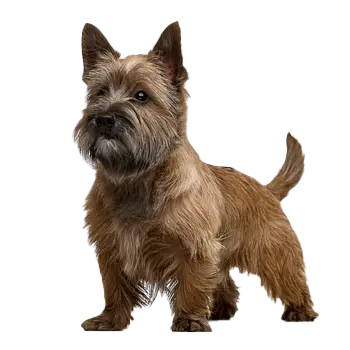
The Cairn Terrier is a small, compact, and hardy working terrier that originated in the Scottish Highlands and the Isle of Skye. Males typically stand around ten inches tall at the shoulder and weigh approximately fourteen pounds, while females are slightly smaller at around thirteen pounds. The breed possesses a sturdy, well-proportioned body that is slightly longer than it is tall, giving them an agile yet robust appearance. Their short legs belie their remarkable strength and endurance, characteristics that served them well in their original role hunting vermin among the rocky cairns of Scotland. The head is broad in proportion to the body, with a definite stop and a strong muzzle of medium length. The Cairn Terrier sports a distinctive double coat that is essential to their weather-resistant nature. The outer coat is harsh, profuse, and wiry in texture, while the undercoat is short, soft, and dense. This combination provided essential protection from the harsh Scottish climate and rough terrain where they worked. Coat colors include cream, wheaten, red, gray, and nearly black, with brindle patterns being acceptable in any of these colors. Dark points on the ears, muzzle, and tail tip are typical of the breed. Interestingly, the coat color may change somewhat as the dog matures over time. The breed's face is characterized by bright, wide-set eyes that convey an intelligent and alert expression. Their eyes are hazel in color and are medium-sized with shaggy eyebrows adding to their characteristic appearance. The ears are small, pointed, and carried erect, set wide apart on the head. The tail is relatively short, well-furnished with hair, and carried gaily but not curled over the back. Overall, the Cairn Terrier presents a shaggy, natural appearance that reflects their working heritage while maintaining an undeniable charm that has made them beloved companion dogs worldwide.
Key Characteristics
Temperament Temperament Temperament Temperament Temperament Temperament Cairn Terriers generally get along well with children and can coexist with other dogs when properly socialized, though their strong prey drive means they may chase smaller animals. Early socialization is crucial to help them develop appropriate behavior around other pets and unfamiliar people. They possess boundless energy and curiosity, with a particular fondness for digging, a behavior inherited from their vermin-hunting ancestors. With proper exercise, training, and mental enrichment, the Cairn Terrier makes a loyal and entertaining companion with a lifespan typically ranging from thirteen to fifteen years.
Health Considerations Health Considerations Health Considerations Health Considerations Health Considerations Health Considerations Eye conditions including progressive retinal atrophy and ocular melanosis, which is unique to the Cairn Terrier breed, require monitoring through regular ophthalmic examinations. Liver shunts, where blood vessels bypass the liver rather than flowing through it properly, can affect the breed and may require dietary management or surgical intervention. Dental disease is common, with studies suggesting approximately eighty percent of dogs showing signs by age two, making regular dental care essential. Allergies, hypothyroidism, and diabetes can also occur. Health screening of breeding animals and maintaining regular veterinary checkups help ensure the longest, healthiest life possible for these charming terriers.
Yorkshire Terrier
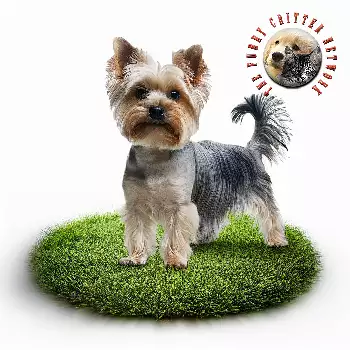
The Yorkshire Terrier is a diminutive yet elegant toy breed that combines glamorous appearance with a surprisingly sturdy constitution. Standing seven to eight inches tall at the shoulder and weighing no more than seven pounds according to the breed standard, the Yorkie is one of the smallest terrier breeds. Despite their tiny size, they possess a compact, well-proportioned body with a level back and confident carriage. The head is small and somewhat flat on top, with a medium-length muzzle and a black nose. Their dark, medium-sized eyes sparkle with intelligence and display an alert, keen expression. The Yorkshire Terrier's most distinctive feature is their stunning coat, which is quite unlike that of most other breeds. The coat consists of a single layer of fine, silky, straight hair that more closely resembles human hair than typical dog fur. This unique coat texture means Yorkies shed minimally, though regular grooming is essential to prevent tangling and matting. The standard coat coloring is a rich steel blue on the body and tail, with golden tan on the head, chest, and legs. Puppies are born black and tan, with the blue coloring developing gradually as they mature, typically reaching their adult coloration between six months and three years of age. The breed's small, V-shaped ears are carried erect and set not too far apart on the head, adding to their alert and inquisitive expression. The tail is traditionally docked to medium length and carried slightly higher than the level of the back in countries where docking is permitted. When the coat is allowed to grow to full length, it reaches the floor and parts naturally down the center of the back, creating a glamorous curtain of shimmering hair. Many pet owners opt for a shorter puppy cut for practical reasons. The overall appearance is one of compact elegance, with the Yorkie displaying the proud bearing that belies their origins as working terriers in Yorkshire's textile mills.
Key Characteristics
Temperament Temperament Temperament Temperament Temperament Temperament Despite their small stature, Yorkshire Terriers are energetic and playful dogs that enjoy interactive games and daily walks. Their intelligence makes them highly trainable, though their independent terrier nature can manifest as stubbornness. Positive reinforcement methods work best with this breed. Yorkies can be good family pets for households with older children who understand how to handle small dogs gently, as their tiny size makes them vulnerable to injury. They can live harmoniously with other pets when properly introduced, though they may try to assert dominance over larger dogs. With proper care, Yorkshire Terriers typically enjoy a lifespan of twelve to fifteen years.
Health Considerations Health Considerations Health Considerations Health Considerations Health Considerations Health Considerations Hypoglycemia, or low blood sugar, is a particular risk for Yorkshire Terrier puppies under four months of age and adult Yorkies that are very small or miss meals. Symptoms include weakness, trembling, and disorientation, requiring immediate intervention with sugar supplementation. Portosystemic shunt, a liver condition where blood bypasses the liver through abnormal blood vessels, can affect the breed and may require dietary management or surgical intervention. Legg-Calve-Perthes disease, causing degeneration of the hip joint, occurs in Yorkies typically before one year of age. Other health concerns include retinal dysplasia and cataracts affecting vision, allergies causing skin problems, patent ductus arteriosus affecting the heart, diabetes, pancreatitis, and Cushing's disease. Regular veterinary checkups and responsible breeding practices help minimize these health concerns in the breed.
Important to Remember
Each hybrid dog is unique and may inherit any combination of traits from either parent breed. The information above represents the characteristics of the purebred parent breeds. Your Carkie may favor one parent over the other or display a blend of both. We strongly encourage you to read the complete breed profiles for both the Cairn Terrier and Yorkshire Terrier to fully understand the range of possible temperaments, health concerns, and care requirements.