Bullkita
The Bullkita is a cross between the American Bulldog and the Akita. Because each hybrid inherits a unique combination of traits from both parents, we recommend thoroughly researching both breeds before choosing a Bullkita. Pay special attention to temperament, health issues, and care requirements, as your dog may express characteristics from either parent breed.
American Bulldog

The American Bulldog is a large, powerful breed that exemplifies strength and athleticism while maintaining surprising agility for its size. Males typically stand 22 to 28 inches at the shoulder and weigh 70 to 120 pounds, while females measure 20 to 26 inches and weigh 60 to 100 pounds. Two distinct types exist within the breed: the Johnson type, also called the bully or classic type, which features a larger, heavier build with a shorter muzzle, and the Scott type, known as the standard or performance type, which displays a more athletic frame and longer muzzle. Both types share the breed's characteristic muscular development and confident bearing. The head of the American Bulldog is large and broad with a flat or slightly rounded skull and a distinct stop between the forehead and muzzle. The muzzle is square and wide, contributing to the breed's powerful bite. The cheeks are muscular and well-defined, reflecting the breed's working heritage. Eyes are round to almond-shaped, set wide apart, and can be any color though darker shades are typically preferred. Ears are medium-sized and may be rose, half-pricked, or pendant, sitting high on the head. The neck is muscular and slightly arched, flowing into well-laid-back shoulders. The American Bulldog's body displays substantial bone and muscle throughout, with a deep, broad chest and well-sprung ribs that provide ample heart and lung capacity. The back is broad and moderately short, leading to a slightly arched loin that adds power to the hindquarters. The coat is short, close-lying, and smooth, requiring minimal grooming while providing some weather protection. Coat colors are predominantly white with patches of brindle, red, tan, brown, or black, though solid white dogs are also seen. The tail is set low, thick at the base, and tapers to a point, typically carried low or level with the back. The overall impression is one of confident strength, athletic capability, and determination.
Key Characteristics
Temperament Temperament Temperament Temperament Temperament Temperament The American Bulldog's working heritage contributes to their drive and determination, making them excellent candidates for various activities including weight pulling, obedience, and protection sports. They thrive when given jobs to perform and purpose to fulfill, becoming restless and potentially destructive without adequate outlets for their energy. The breed typically does best with experienced owners in homes without other dominant dogs, as some individuals may display same-sex aggression. Their combination of power, intelligence, and loyalty creates a rewarding companion for those prepared to invest in proper training, socialization, and exercise. With appropriate guidance, the American Bulldog becomes a devoted family member whose protective presence and affectionate nature enhance household security while enriching daily life.
Health Considerations Health Considerations Health Considerations Health Considerations Health Considerations Health Considerations Hypothyroidism occurs at elevated rates in American Bulldogs, affecting metabolism and potentially causing weight gain, lethargy, and skin problems when thyroid hormone production falls below normal levels. Regular thyroid screening and hormone replacement therapy when indicated help maintain quality of life. Eye conditions including cherry eye, where the tear gland prolapses and becomes visible, and entropion, where the eyelid rolls inward, require surgical correction in many cases. The breed's brachycephalic tendency, particularly in the Johnson type, can contribute to breathing difficulties in hot weather and during vigorous exercise. Additional concerns include allergies and certain cardiac conditions. Working with breeders who perform comprehensive health testing and maintaining regular veterinary care provides the best foundation for a long, healthy life with this powerful, devoted breed.
Akita
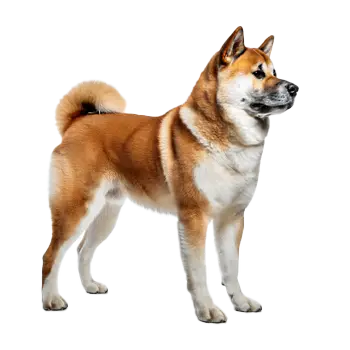
The Akita is a large, powerful spitz-type breed whose imposing presence and substantial build reflect its heritage as a guardian and hunting dog in the mountainous regions of northern Japan. Males typically stand 26 to 28 inches at the shoulder and weigh 100 to 130 pounds, while females measure 24 to 26 inches and weigh 70 to 100 pounds. The breed's body is slightly longer than tall, with heavy bone and substantial muscular development throughout. Their overall appearance conveys strength, dignity, and alertness, characteristics that made them valued companions of Japanese nobility and guardians of home and family. The Akita's head is one of its most distinctive features, appearing massive and bear-like with a broad skull that is flat between the ears. The muzzle is broad, full, and deep, contributing to the breed's powerful presence. Small, deep-set, triangular eyes give the Akita its characteristic keen, dignified expression. The ears are small relative to the head size, thick, triangular in shape, and carried erect, tipped slightly forward following the line of the neck. The neck is thick and muscular, relatively short, and widens gradually as it approaches the well-laid-back shoulders. The broad chest and well-developed forechest provide ample room for heart and lungs. The Akita's double coat is essential to the breed's cold-weather heritage, consisting of a dense, soft undercoat and a harsh, straight outer coat that stands somewhat off the body. The coat is shortest on the head and legs but longer on the body, with pronounced length on the tail, which is large and full, carried over the back in a three-quarter, full, or double curl. Acceptable colors include white, brindle, and pinto, with clear, bold markings preferred. White Akitas have no mask, while other colors typically display a dark mask. The overall impression is one of power, dignity, and alertness, reflecting the breed's status as a national treasure in Japan and a devoted guardian companion worldwide.
Key Characteristics
Temperament Temperament Temperament Temperament Temperament Temperament Akitas are typically intolerant of other dogs, particularly those of the same sex, making them best suited as single-dog households or with careful management in multi-dog homes. Their strong prey drive can make them unsuitable for homes with small pets. Despite these challenges, the Akita's quiet dignity, cleanliness, and unwavering devotion make them treasured companions for experienced owners who appreciate their unique qualities. They are naturally clean dogs who groom themselves like cats and rarely bark without reason. The Akita requires substantial exercise but is typically calm indoors when their physical needs are met. For those who earn their trust and respect, the Akita offers a depth of loyalty and protection that few other breeds can match.
Health Considerations Health Considerations Health Considerations Health Considerations Health Considerations Health Considerations Hypothyroidism occurs at elevated rates in Akitas, affecting metabolism and causing symptoms including weight gain, lethargy, and coat problems when thyroid hormone production falls below normal levels. Regular screening and hormone replacement therapy help manage this treatable condition. Autoimmune conditions affecting the skin, including sebaceous adenitis where oil glands become inflamed and destroyed, occur more frequently in Akitas than many other breeds. Progressive retinal atrophy leads to gradual vision loss and eventual blindness. Von Willebrand disease, a bleeding disorder affecting blood clotting, has been identified in the breed. The Akita may also experience immune-mediated conditions and certain eye problems. Working with breeders who perform comprehensive health testing and maintaining regular veterinary care throughout life helps ensure the best possible outcomes for this magnificent, loyal breed.
Important to Remember
Each hybrid dog is unique and may inherit any combination of traits from either parent breed. The information above represents the characteristics of the purebred parent breeds. Your Bullkita may favor one parent over the other or display a blend of both. We strongly encourage you to read the complete breed profiles for both the American Bulldog and Akita to fully understand the range of possible temperaments, health concerns, and care requirements.