Border Kelpie
The Border Kelpie is a cross between the Border Collie and the Kelpie. Because each hybrid inherits a unique combination of traits from both parents, we recommend thoroughly researching both breeds before choosing a Border Kelpie. Pay special attention to temperament, health issues, and care requirements, as your dog may express characteristics from either parent breed.
Border Collie
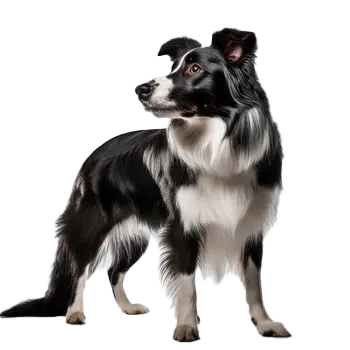
Border Collies are medium-sized athletic dogs typically weighing between thirty and forty-five pounds, with males standing around twenty-two inches at the shoulder and females slightly smaller at approximately twenty inches. Their lean, muscular frame reflects their heritage as tireless working dogs bred for stamina and agility rather than bulk. The body is slightly longer than it is tall, creating a balanced profile that enables the fluid, efficient movement essential for herding work. Their strong bone structure and well-developed hindquarters contribute to their remarkable agility and jumping ability. The breed features a distinctive double coat that provides protection against harsh weather conditions. This coat may be rough or smooth, with the rough variety having medium-length hair that can be straight or slightly wavy, while the smooth coat is shorter and coarser. Both coat types include a soft, dense undercoat beneath the outer guard hairs. Although black and white is the most commonly recognized coloring, Border Collies display remarkable variety in their appearance, including red and white, blue merle, sable, tricolor combinations, and even solid colors. Border Collies possess alert, intelligent expressions with medium-sized eyes that are typically brown, though lighter shades and occasionally blue eyes appear in merle-coated dogs. Their ears stand erect or semi-erect with tips that often fold over, contributing to their keen, attentive appearance. The moderately long tail, carried low with an upward curl at the end, serves both as a rudder during fast turns and as an extension of the dog's body language during work.
Key Characteristics
Temperament Temperament Temperament Temperament Temperament Temperament Border Collies possess strong herding instincts that can manifest in their daily behavior, potentially leading them to attempt herding children, other pets, or even vehicles through nipping at heels or circling movements. While their confidence and independence make them capable workers, these traits can also result in stubbornness if not properly channeled through consistent, positive training methods. The breed requires an experienced, active owner who understands their need for leadership, structure, and ongoing engagement to prevent anxiety and ensure they develop into well-mannered companions.
Health Considerations Health Considerations Health Considerations Health Considerations Health Considerations Health Considerations Other health concerns include Trapped Neutrophil Syndrome, a genetic immune system disorder that causes chronic infections and is fatal in affected puppies, though genetic testing can identify carriers. The breed may also be affected by a mutation in the MDR1 gene that causes sensitivity to certain common veterinary medications including some anesthetics and antiparasitic drugs. Regular veterinary checkups, genetic health testing of breeding stock, maintaining appropriate body condition, and providing proper dental care all contribute to maximizing the health and longevity of Border Collies throughout their active lives.
Kelpie

The Australian Kelpie is a medium-sized herding dog with a lean, athletic build that reflects its heritage as a tireless working dog bred for the harsh Australian outback. Males typically stand eighteen to twenty inches at the shoulder and weigh between thirty and forty-five pounds, while females are slightly smaller, measuring approximately fifteen to eighteen inches tall and weighing twenty-five to forty pounds. Despite their moderate size, Kelpies possess well-developed musculature and strong bone structure that provide the stamina and power needed for long days of herding work. Their compact, agile bodies enable them to move quickly and efficiently across varied terrain. Kelpies feature a weather-resistant double coat consisting of a short, dense undercoat and a straight, smooth outer coat that lies flat against the body. The coat provides excellent protection from both heat and cold while remaining relatively low-maintenance. The breed displays considerable variety in coloration, including solid black, red, fawn, chocolate, cream, and blue, as well as combinations such as black and tan or red and tan. Some Kelpies may have small white markings on the chest or feet. Their coat length can vary from short to medium, with some individuals having slightly longer or rougher coats, though all maintain the breed's characteristic sleek appearance. The Kelpie's head features distinctive prick ears that stand erect and pointed, giving them an alert, intelligent expression. Their medium-sized, almond-shaped eyes are typically brown or amber, though blue eyes occasionally appear in some coat colors. The breed's facial features are often described as fox-like, with a moderately long muzzle and keen expression. Kelpies carry their medium-length tails naturally, often with a slight curve, and their overall appearance conveys readiness for action and tireless work ethic.
Key Characteristics
Temperament Temperament Temperament Temperament Temperament Temperament While Kelpies can adapt to family life when properly exercised and stimulated, their intense working drive makes them most suitable for active owners who can provide them with regular challenges and engagement. They may exhibit strong herding behaviors toward children, other pets, or livestock, which requires appropriate management and training. The breed is not well-suited for apartment living or sedentary households, as they need space to move and regular opportunities to expend their considerable energy. When their physical and mental needs are met, Kelpies become devoted, obedient companions that bring remarkable enthusiasm and capability to everything they do.
Health Considerations Health Considerations Health Considerations Health Considerations Health Considerations Health Considerations Progressive Retinal Atrophy, another inherited eye disease, causes gradual deterioration of the retina leading to vision loss and eventual blindness. Initial symptoms often include difficulty seeing in dim light or at night. Additional health concerns include luxating patella, where the kneecap slips out of position causing intermittent lameness, and occasionally epilepsy or seizure disorders. Regular veterinary examinations, appropriate preventive care, and obtaining puppies from breeders who perform health testing on their breeding stock all contribute to maintaining the robust health characteristic of working Kelpies. The breed's overall hardiness and relatively low incidence of health problems reflect their development as practical working dogs selected primarily for function and stamina.
Important to Remember
Each hybrid dog is unique and may inherit any combination of traits from either parent breed. The information above represents the characteristics of the purebred parent breeds. Your Border Kelpie may favor one parent over the other or display a blend of both. We strongly encourage you to read the complete breed profiles for both the Border Collie and Kelpie to fully understand the range of possible temperaments, health concerns, and care requirements.