Border Aussie Terrollie
The Border Aussie Terrollie is a cross between the Border Collie and the Australian Terrier. Because each hybrid inherits a unique combination of traits from both parents, we recommend thoroughly researching both breeds before choosing a Border Aussie Terrollie. Pay special attention to temperament, health issues, and care requirements, as your dog may express characteristics from either parent breed.
Border Collie
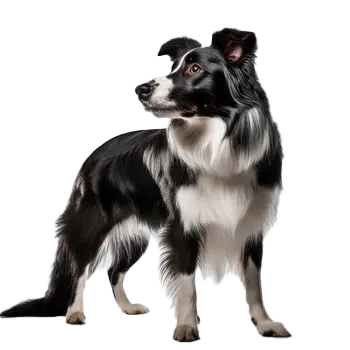
The Border Collie is a medium-sized herding dog that stands between 18 to 22 inches at the shoulder and weighs between 30 to 45 pounds, with males typically larger than females. This athletic breed possesses a lean, muscular frame that combines agility with endurance. The body is slightly longer than tall, with a level topline and well-sprung ribs that descend to the elbows. Their strong, straight legs provide excellent stability and power for the quick turns and bursts of speed necessary for herding work. The breed's distinctive head features a moderate skull width, an intelligent expression, and medium-sized ears that stand erect or semi-erect, contributing to their alert appearance. Border Collies have a double coat that comes in two varieties: rough or smooth. The rough coat is medium to moderately long with feathering on the legs, chest, and tail, while the smooth coat is shorter overall but still features the protective double-layer construction. Both coat types are weather-resistant and provide insulation against harsh conditions. The most common coloration is black and white, though Border Collies can appear in virtually any color including red, blue merle, tricolor, sable, and solid colors. The coat's texture is somewhat harsh to the touch, which helps it repel dirt and moisture. Distinctive physical features include oval-shaped eyes that can range from brown to blue, with the occasional heterochromic pairing in merle-colored dogs. The tail is moderately long and carried low when relaxed, often with a slight upward curve at the tip. The breed's overall appearance reflects its working heritage, with every aspect of its construction designed for speed, stamina, and agility in demanding herding tasks across varied terrain.
Key Characteristics
Temperament Temperament Temperament Temperament Temperament Temperament This breed thrives on having a job to do and excels in various canine sports including agility, obedience trials, flyball, and of course, herding competitions. They are happiest when engaged in activities that challenge both their minds and bodies. Border Collies generally get along well with children when raised with them, though their herding instincts may lead to nipping at heels. They can coexist with other pets if properly socialized, though their strong chase drive means they may pursue cats or smaller animals. The breed's intense work ethic and need for constant engagement make them best suited for active families who can provide the structure, training, and activity they require.
Health Considerations Health Considerations Health Considerations Health Considerations Health Considerations Health Considerations Other health concerns include hypothyroidism, which affects metabolism and can cause weight gain, lethargy, and coat problems but is manageable with medication. Dental disease is common and requires regular care. The breed's deep chest makes them somewhat susceptible to bloat, though not to the degree of larger breeds. Responsible breeding practices, including health testing of breeding dogs, have helped reduce the incidence of many hereditary conditions. Regular veterinary care, appropriate nutrition, dental hygiene, and monitoring for early signs of health issues contribute significantly to the longevity and quality of life for Border Collies.
Australian Terrier
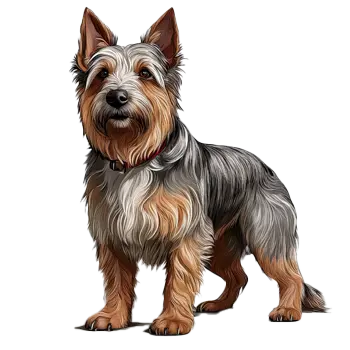
The Australian Terrier is a small, sturdy working terrier standing approximately 10 to 11 inches tall at the withers and weighing between 12 to 20 pounds, with an ideal weight around 14 to 16 pounds. Despite their diminutive size, they possess a robust, medium-boned structure that is longer in proportion to height, reflecting their heritage as versatile working dogs. The body features a level, firm topline with well-sprung ribs forming a deep chest that reaches slightly below the elbows with a distinct keel. The loin is strong and fairly short with slight tuck-up. Their legs are straight and strong with good bone, and they have tight, well-knuckled cat-like feet that provide excellent traction and durability. The breed's most distinctive features include their rough, harsh-textured double coat that is weather-resistant and approximately two and a half inches long over the body. The undercoat is short and soft, providing insulation. The coat is shorter on the muzzle, lower legs, and feet. A characteristic ruff of longer, softer hair forms around the neck, extending to the breastbone and blending into an apron across the chest. The topknot on the head is composed of finer, softer, silky hair that contrasts with the harsher body coat. Australian Terriers come in three color varieties: blue and tan (ranging from dark blue to silver-blue with rich tan markings), solid sandy, or solid red. The blue and tan variety features tan markings on the face, ears, underbody, lower legs, feet, and around the vent. The head is long and strong with a flat skull, slight stop, and powerful jaws. Small, dark eyes convey a keen, intelligent expression. The ears are small, set high, and carried erect or with tips breaking forward. The tail may be docked or natural, set high and carried erect. When docked, it is left at a length that provides a good handhold. The overall appearance is that of a hard-bitten, rugged working terrier with alert, spirited expression and sound, free-moving gait with good reach and drive.
Key Characteristics
Temperament Temperament Temperament Temperament Temperament Temperament With children, Australian Terriers can be excellent playmates, displaying patience and energy to match active youngsters. However, supervision is necessary with very young children, as the breed has limits on rough handling and may snap if pushed too far or hurt. They are game and eager participants in canine sports including agility, obedience, earthdog trials, and barn hunt, where they can use their natural hunting instincts. The breed requires consistent, positive reinforcement training that makes activities fun and engaging, as they can become bored with repetitive exercises. They are sensitive dogs who respond poorly to harsh corrections but eagerly work with handlers they respect. Australian Terriers adapt well to various living situations, including apartments, provided they receive adequate daily exercise and are not left alone for extended periods, as they can develop separation anxiety and destructive behaviors when isolated from their families.
Health Considerations Health Considerations Health Considerations Health Considerations Health Considerations Health Considerations Eye conditions including cataracts, dry eye (keratoconjunctivitis sicca), distichiasis (abnormal eyelashes that irritate the eye), and progressive retinal atrophy can affect the breed. Regular eye examinations help detect problems early. Dental disease is particularly common in small breeds and requires diligent home care including daily teeth brushing and regular professional cleanings. Obesity is a concern as the breed enjoys eating and can easily gain excess weight, which exacerbates joint problems and increases diabetes risk. Australian Terriers may also develop hypothyroidism and various allergies. Responsible breeders perform health testing including patella evaluations, ophthalmologist examinations, and thyroid screening. Regular veterinary care, appropriate nutrition, weight management, and early intervention when problems arise contribute significantly to maintaining the health and quality of life for Australian Terriers.
Important to Remember
Each hybrid dog is unique and may inherit any combination of traits from either parent breed. The information above represents the characteristics of the purebred parent breeds. Your Border Aussie Terrollie may favor one parent over the other or display a blend of both. We strongly encourage you to read the complete breed profiles for both the Border Collie and Australian Terrier to fully understand the range of possible temperaments, health concerns, and care requirements.