Beauceroodle
The Beauceroodle is a cross between the Beauceron and the Poodle. Because each hybrid inherits a unique combination of traits from both parents, we recommend thoroughly researching both breeds before choosing a Beauceroodle. Pay special attention to temperament, health issues, and care requirements, as your dog may express characteristics from either parent breed.
Beauceron
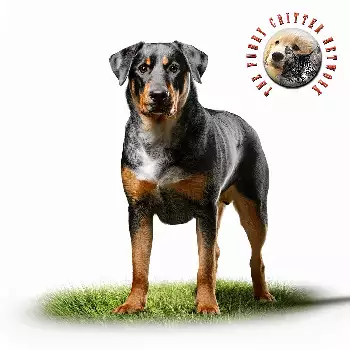
The Beauceron is an imposing and powerful herding dog that presents a well-balanced, solid appearance without any hint of bulkiness or coarseness. Males typically stand between 25.5 to 27.5 inches at the shoulder and weigh between 70 to 110 pounds, while females are slightly smaller at 24 to 26.5 inches and 60 to 85 pounds. The breed exhibits a square body profile with a deep chest and strong, muscular hindquarters that convey both strength and agility. Their overall conformation demonstrates the endurance and athleticism required of a working herding dog capable of moving large flocks for miles without showing signs of fatigue. The body is slightly longer than it is tall, with well-developed musculature throughout. The Beauceron possesses a distinctive double coat consisting of a harsh, dense outer coat that lies close to the body and measures approximately 1.25 to 1.5 inches in length, paired with a soft, woolly undercoat that thickens considerably in cold weather to provide excellent protection against harsh elements. The most common coat coloring is black and tan, with the tan markings appearing as distinctive dots above the eyes, on the sides of the muzzle, on the throat, chest, legs, and under the tail. The tan color is described as squirrel-red, providing a striking contrast against the black. A less common but equally recognized color pattern is harlequin, featuring a mix of black, gray, and tan patches distributed throughout the coat. One of the breed's most distinguishing physical features is the presence of double dewclaws on each rear leg, which historically aided in their herding work across rough terrain and remain a breed requirement today. The head is long and well-chiseled with a flat or slightly rounded skull, dark oval-shaped eyes that convey an alert and confident expression, and ears that may be natural or cropped depending on regional customs. The Beauceron carries its head proudly with a noble carriage, and its long tail curves slightly upward, typically carried low unless the dog is in motion. The breed moves with a fluid, effortless gait that demonstrates their capacity for sustained work.
Key Characteristics
Temperament Temperament Temperament Temperament Temperament Temperament The Beauceron is an extremely high-energy breed that requires significant physical and mental stimulation to thrive and maintain balanced behavior. They excel in various canine activities including herding, obedience, agility, tracking, and protection sports, often performing at elite levels in competition. This is not a breed content to lounge around the house; they need a meaningful job to do and owners who can provide structured activities and consistent leadership. Their mental development is notably slower than some similar breeds, with full maturity not reached until approximately three years of age, requiring patience and understanding during their extended adolescent training period.
Health Considerations Health Considerations Health Considerations Health Considerations Health Considerations Health Considerations Other health concerns that can affect Beaucerons include dilated cardiomyopathy, a heart condition where the heart muscle becomes weakened and enlarged affecting its ability to pump blood effectively, and progressive retinal atrophy which causes gradual deterioration of the retina leading to vision loss. Osteochondritis dissecans is a joint condition affecting cartilage development that may require surgical intervention. Additionally, some Beaucerons may develop allergies or skin conditions causing discomfort, hypothyroidism affecting metabolism and energy levels, and canine copper-associated hepatitis where copper accumulates in the liver causing inflammation. Regular veterinary checkups, maintaining a healthy weight, and working with reputable breeders who perform comprehensive health screenings are the best approaches to ensuring a long, healthy life.
Poodle

The Poodle is an elegant, well-proportioned dog that comes in three recognized size varieties: Standard, Miniature, and Toy, with each sharing the same breed standard proportions scaled to different sizes. The Standard Poodle, most commonly used in hybrid breeding programs, stands over 15 inches at the shoulder and typically weighs between 40 to 70 pounds, with males generally larger and more substantial than females. All varieties share the same square body profile, proud carriage, and graceful movement characterized by a light, springy gait with strong hindquarter drive that demonstrates their athletic heritage. The breed presents an impression of dignified athleticism beneath its distinctive coat, with well-developed musculature throughout the body. The Poodle's most recognizable feature is its dense, curly coat with a harsh, wiry texture that grows continuously rather than shedding seasonally like most other breeds. This unique coat characteristic has made Poodles extremely popular among those with allergies, as they release significantly less dander into the environment compared to shedding breeds. The coat comes in a wide variety of solid colors including black, white, brown, gray, silver, blue, cream, apricot, and red, with even coloring preferred throughout. While show dogs are often seen in elaborate continental or English saddle clips with sculpted poms and shaved areas, most companion Poodles are kept in simpler sporting clips or puppy cuts for easier daily maintenance and practicality. The Poodle possesses a long, elegant head with a moderately rounded skull and a long, straight, fine-chiseled muzzle that gives them their refined appearance. Their dark, oval-shaped eyes convey an alert, intelligent expression that reflects the breed's keen awareness of their surroundings and quick mental processing. The ears are long, wide, and thickly feathered with wavy hair, hanging close to the head and set at or slightly below eye level to frame the face attractively. The neck is well-proportioned, of good length, and slightly arched, leading to a level topline and muscular hindquarters. The tail is set high and carried up with confidence, traditionally docked in countries where the practice remains permitted, creating a balanced silhouette.
Key Characteristics
Temperament Temperament Temperament Temperament Temperament Temperament Poodles are known for their sensitive nature, which manifests positively in their responsiveness to training but also in their susceptibility to stress, anxiety, and emotional upset in chaotic environments. They are generally friendly and sociable dogs that get along wonderfully with children, other pets, and visitors when properly socialized from an early age. However, without adequate attention, companionship, and mental engagement, they can develop separation anxiety and may resort to nuisance barking or destructive behaviors to cope. The smaller varieties may be more prone to nervousness around strangers and require careful, patient socialization to build confidence.
Health Considerations Health Considerations Health Considerations Health Considerations Health Considerations Health Considerations Addison's disease, also known as hypoadrenocorticism, is particularly prevalent in Standard Poodles compared to most other dog breeds. This serious condition occurs when the adrenal glands fail to produce sufficient hormones necessary for normal body function, leading to symptoms ranging from mild lethargy and digestive upset to life-threatening adrenal crisis and collapse. Additionally, Standard Poodles are susceptible to gastric dilatation-volvulus due to their deep chest conformation, epilepsy causing recurring seizures requiring lifelong management, von Willebrand's disease affecting blood clotting ability, and sebaceous adenitis, an inflammatory skin condition affecting the oil glands that impacts approximately half of all Standard Poodles as carriers or affected individuals. Regular veterinary care and awareness of these breed-specific health concerns enable early detection and effective management.
Important to Remember
Each hybrid dog is unique and may inherit any combination of traits from either parent breed. The information above represents the characteristics of the purebred parent breeds. Your Beauceroodle may favor one parent over the other or display a blend of both. We strongly encourage you to read the complete breed profiles for both the Beauceron and Poodle to fully understand the range of possible temperaments, health concerns, and care requirements.