Aussie Silk Terrier
The Aussie Silk Terrier is a cross between the Australian Terrier and the Silky Terrier. Because each hybrid inherits a unique combination of traits from both parents, we recommend thoroughly researching both breeds before choosing a Aussie Silk Terrier. Pay special attention to temperament, health issues, and care requirements, as your dog may express characteristics from either parent breed.
Australian Terrier
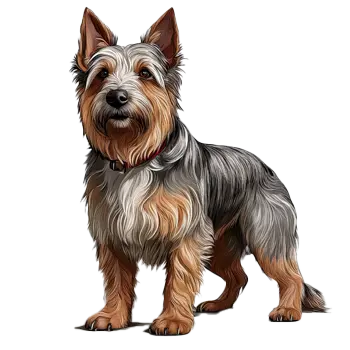
The Australian Terrier is a small, sturdy, and well-balanced terrier that stands approximately 10 to 11 inches at the shoulder and weighs between 12 and 16 pounds, with males typically being slightly larger than females. Despite their compact size, these dogs possess a robust and muscular build that reflects their working heritage as versatile farm dogs and vermin hunters in the Australian outback. The body is slightly longer than tall, giving them a distinctive silhouette that combines agility with substance. Their legs are relatively short but well-boned, providing a low center of gravity that aided them in pursuing prey through dense underbrush and rocky terrain. The breed's coat is one of its most distinctive features, consisting of a harsh, straight, weather-resistant outer coat approximately two and a half inches in length, paired with a softer, shorter undercoat that provides insulation. Acceptable coat colors include blue and tan, solid sandy, and solid red, with the blue and tan variety being particularly striking. The texture should feel rough to the touch, never soft or silky, as this harsh quality was essential for protection against the elements and rough terrain. A distinctive soft, silky topknot crowns the head, contrasting beautifully with the rougher body coat and adding to the breed's characteristic appearance. The Australian Terrier's head is long and strong with a flat skull and a powerful muzzle of equal length. Small, dark, oval-shaped eyes convey an alert and intelligent expression that reflects the breed's keen awareness of their surroundings. The ears are small, set high on the skull, and held erect with pointed tips, contributing to their attentive appearance. A black nose and dark, tight lips complete the facial features. The tail is traditionally docked, though natural tails are also acceptable in many regions, and is carried erect to signal the breed's confident and spirited nature.
Key Characteristics
Temperament Temperament Temperament Temperament Temperament Temperament This breed thrives on human companionship and makes an excellent watchdog, alerting their families to any unusual activity with enthusiasm. Their high energy levels require approximately 30 to 60 minutes of daily exercise and interactive play. Australian Terriers adapt well to various living situations, including apartments, provided their physical and mental needs are met. They generally get along well with children who understand how to interact respectfully with dogs, though supervision is always recommended. Their natural prey drive means caution should be exercised around small pets such as hamsters, rabbits, or guinea pigs.
Health Considerations Health Considerations Health Considerations Health Considerations Health Considerations Health Considerations Eye problems represent another area of concern for Australian Terriers, including cataracts that can develop with age and potentially lead to vision impairment, as well as keratoconjunctivitis sicca, commonly known as dry eye. Progressive retinal atrophy, though less common, can also affect the breed. Allergies, both environmental and food-related, may cause skin irritation and discomfort. Dental disease is particularly common in small breeds like the Australian Terrier, making regular dental care including brushing and professional cleanings essential. Some individuals may also be affected by degenerative myelopathy, a progressive spinal cord disease that affects mobility in older dogs.
Silky Terrier
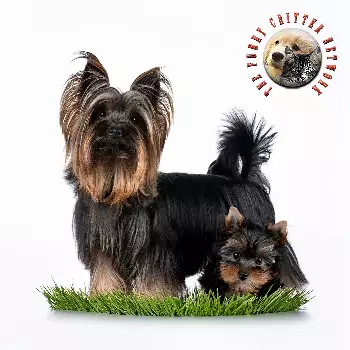
The Silky Terrier is an elegant and refined toy breed that stands approximately 9 to 10 inches at the shoulder and weighs between 8 and 11 pounds, making them slightly larger and more substantial than their Yorkshire Terrier cousins. This Australian-developed breed possesses a fine-boned yet sturdy build that reflects their terrier heritage and working background. The body is moderately low-set with a level topline and sufficient length to maintain proper proportions. Despite their delicate appearance, Silky Terriers are athletic and agile dogs capable of impressive speed and agility when pursuing prey or engaging in play. The breed's namesake coat is undoubtedly their most striking feature, consisting of a single layer of fine, straight to slightly wavy hair that possesses a distinctly silky texture. Unlike the Yorkshire Terrier's floor-length coat, the Silky Terrier's coat conforms more closely to the body, typically reaching five to six inches in length. The coloring is a beautiful blue and tan, with puppies born black and tan before gradually developing their adult coloration by approximately 18 months of age. The blue can range from silver-blue to slate blue, while tan markings appear on the face, ears, legs, and around the vent area. A distinct part runs from the head down the back to the tail. The Silky Terrier's head is moderately long with a flat skull that is slightly longer than the muzzle, creating a distinctive wedge shape when viewed from above. Small, almond-shaped eyes are dark in color and convey an alert, intelligent, and sometimes mischievous expression. The ears are small, V-shaped, and set high on the head, carried erect to give the breed its characteristic keen appearance. The nose is black, and the jaw is strong with a scissors bite. The tail is customarily docked and carried high, though natural tails are increasingly common. The overall impression is one of elegance and refinement combined with the alertness and energy typical of terrier breeds.
Key Characteristics
Temperament Temperament Temperament Temperament Temperament Temperament Silky Terriers thrive on human companionship and form strong bonds with their owners, though they are not typically clingy or overly dependent. They possess moderate to high energy levels and require one to two hours of daily activity, including walks, play sessions, and mental stimulation. These adaptable dogs excel in various canine sports including agility, flyball, and tracking, where their intelligence and athleticism can shine. While they can be good family dogs, their small size and sometimes snappy nature make them better suited to homes with older children who understand how to interact appropriately with small dogs. They respond best to positive reinforcement training methods that engage their quick minds and reward their cooperation.
Health Considerations Health Considerations Health Considerations Health Considerations Health Considerations Health Considerations Metabolic and endocrine disorders occur in the breed, with diabetes mellitus being a concern that requires careful dietary management and often insulin therapy. Dental disease is particularly prevalent in toy breeds like the Silky Terrier due to their small mouths and crowded teeth, making regular dental care including daily brushing essential. Skin conditions including Malassezia dermatitis, a yeast infection that causes itching and skin irritation, can affect some individuals. Eye problems such as cataracts and progressive retinal atrophy may develop, potentially affecting vision as dogs age. Purchasing puppies from breeders who perform appropriate health testing can help minimize the risk of inheriting these conditions.
Important to Remember
Each hybrid dog is unique and may inherit any combination of traits from either parent breed. The information above represents the characteristics of the purebred parent breeds. Your Aussie Silk Terrier may favor one parent over the other or display a blend of both. We strongly encourage you to read the complete breed profiles for both the Australian Terrier and Silky Terrier to fully understand the range of possible temperaments, health concerns, and care requirements.