American Bulldog Shepherd
The American Bulldog Shepherd is a cross between the American Bulldog and the German Shepherd Dog. Because each hybrid inherits a unique combination of traits from both parents, we recommend thoroughly researching both breeds before choosing a American Bulldog Shepherd. Pay special attention to temperament, health issues, and care requirements, as your dog may express characteristics from either parent breed.
American Bulldog

The American Bulldog is a powerful and athletic breed that combines remarkable strength, impressive agility, and exceptional endurance in a muscular and well-proportioned frame. Males typically stand 22 to 28 inches at the shoulder and weigh between 70 and 120 pounds, while females measure 20 to 26 inches and weigh 60 to 100 pounds. This substantial size range reflects the two primary types within the breed: the Johnson or Bully type, which tends toward a stockier build with a shorter muzzle, broader chest, and heavier bone structure, and the Scott or Standard type, which displays a more athletic and agile appearance with a longer muzzle and leaner musculature. Many modern American Bulldogs represent a blend of both types, combining characteristics from each lineage. The breed's coat is short, close-lying, and typically less than one inch in length, providing easy maintenance while offering adequate protection from the elements. White is the predominant base color, with patches and markings commonly appearing in brindle, red, brown, tan, fawn, or black distributed across the body. Some dogs may be predominantly colored with white markings rather than white-based, though excessive solid coloring without white is less common in the breed. The coat sheds moderately year-round and requires only basic grooming such as weekly brushing to remove loose hair, distribute natural oils, and maintain overall skin health. American Bulldogs possess a large, broad head that reflects their heritage as catch dogs and dedicated farm guardians throughout the American South. The muzzle is box-shaped and strong, with well-developed jaws that provide substantial bite strength necessary for their original working functions. Their medium-sized eyes are round to almond-shaped, typically dark brown in color, and convey an alert, confident, and intelligent expression. The ears may be cropped or left natural, with uncropped ears typically folding forward or appearing rose-shaped. The muscular neck flows into a deep, broad chest and well-sprung ribs, while the powerful hindquarters display the impressive musculature that enables remarkable athletic feats including vertical jumps exceeding three feet in height.
Key Characteristics
Temperament Temperament Temperament Temperament Temperament Temperament American Bulldogs are high-energy dogs that require substantial daily exercise to remain physically and mentally satisfied. They excel at activities that engage both body and mind, including weight pulling, agility, obedience, and interactive play sessions. Despite their size and energy, well-trained American Bulldogs can make wonderful family dogs and often show remarkable gentleness with children, though supervision is always recommended due to their strength. They are not well-suited to apartment living or sedentary households, as insufficient exercise may lead to destructive behaviors or excessive restlessness.
Health Considerations Health Considerations Health Considerations Health Considerations Health Considerations Health Considerations Skin allergies and infections occur frequently in the breed, often manifesting as itching, redness, and recurrent ear infections. Food allergies and environmental sensitivities can contribute to these issues, requiring careful dietary management and sometimes allergy testing to identify triggers. Eye conditions including cherry eye and entropion affect American Bulldogs with notable frequency, and ichthyosis, a genetic skin condition causing dry and flaky skin, has been documented in the breed. Bloat and gastric dilatation-volvulus pose risks to deep-chested breeds, while obesity can exacerbate joint problems and reduce overall quality of life. Regular veterinary care and health screening help ensure optimal outcomes.
German Shepherd Dog
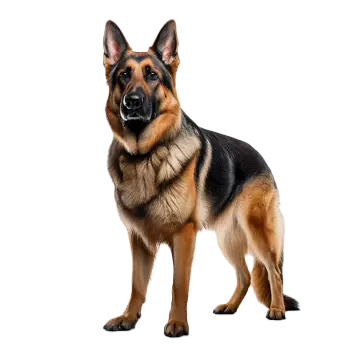
The German Shepherd Dog is a medium to large breed renowned for its noble appearance, athletic build, and remarkable versatility in working roles. Males typically stand 24 to 26 inches at the shoulder and weigh 66 to 88 pounds, while females measure 22 to 24 inches and weigh 49 to 71 pounds. The breed standard emphasizes that the dog should be slightly longer than tall, with an ideal body proportion ratio of approximately 10 to 8.5 in terms of length to height. This carefully balanced physical structure creates a dog capable of sustained trotting movement with maximum efficiency, reflecting the breed's herding heritage and modern roles in police, military, search and rescue, and service work. The German Shepherd's double coat consists of a dense, straight, medium-length outer coat lying close to the body and a thick, soft undercoat that provides excellent insulation in various weather conditions and climates. The most recognized color pattern is black and tan or black and red saddle markings, though the breed standard also accepts sable in various shades, solid black, and bi-color variations. White German Shepherds exist and are recognized as purebred, but are disqualified in many show standards. The coat sheds continuously throughout the year with heavier seasonal shedding periods during spring and fall, requiring regular brushing several times weekly to manage loose hair and maintain optimal coat health. The breed displays a strong, chiseled head with a noble and intelligent expression that immediately conveys its alertness and exceptional character. The medium-sized, almond-shaped eyes are dark and express keen intelligence along with confident composure. The large, erect ears stand firmly upward and are moderately pointed at the tips, contributing significantly to the breed's alert and attentive appearance. A bushy tail hangs in a slight saber curve when at rest and may be carried higher during movement or excitement. The overall impression is of a powerful, agile, and well-muscled dog built for sustained endurance, capable of covering substantial ground with an efficient, ground-covering trot that exemplifies the breed's functional design.
Key Characteristics
Temperament Temperament Temperament Temperament Temperament Temperament German Shepherds require substantial physical exercise and mental engagement to thrive, making them best suited for active owners committed to meeting these needs. They excel in canine sports including obedience, tracking, agility, and protection sports, finding fulfillment in activities that challenge both body and mind. While devoted to their families, German Shepherds may develop separation anxiety if left alone frequently or for extended periods. They typically get along well with children and other pets when properly socialized, though their herding instincts may sometimes manifest as attempts to control movement of family members. This noble breed rewards dedicated ownership with incomparable loyalty and companionship.
Health Considerations Health Considerations Health Considerations Health Considerations Health Considerations Health Considerations Exocrine pancreatic insufficiency is more common in German Shepherds than in most other breeds, causing the pancreas to fail to produce adequate digestive enzymes. Affected dogs lose weight despite normal appetite and require lifelong enzyme supplementation with meals. Pannus, an immune-mediated eye condition, occurs with increased frequency in the breed and requires ongoing treatment to prevent vision loss. Allergies affecting skin and ears are common, as is degenerative lumbosacral stenosis affecting the spine. Cancer, including hemangiosarcoma, osteosarcoma, and lymphoma, represents a significant cause of mortality. Regular veterinary examinations, health testing of breeding stock, and attention to early warning signs help ensure the best possible health outcomes.
Important to Remember
Each hybrid dog is unique and may inherit any combination of traits from either parent breed. The information above represents the characteristics of the purebred parent breeds. Your American Bulldog Shepherd may favor one parent over the other or display a blend of both. We strongly encourage you to read the complete breed profiles for both the American Bulldog and German Shepherd Dog to fully understand the range of possible temperaments, health concerns, and care requirements.