Akitapoo
The Akitapoo is a cross between the Akita and the Poodle. Because each hybrid inherits a unique combination of traits from both parents, we recommend thoroughly researching both breeds before choosing a Akitapoo. Pay special attention to temperament, health issues, and care requirements, as your dog may express characteristics from either parent breed.
Akita
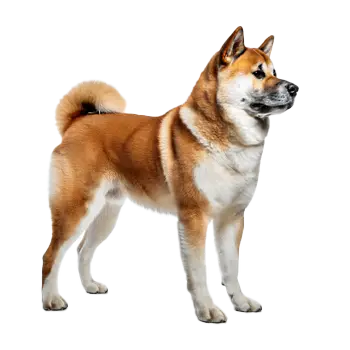
The Akita is a large, powerful spitz-type breed that commands attention with its impressive stature and dignified presence. Males typically stand between 26 and 28 inches at the shoulder and weigh between 100 and 130 pounds, while females are slightly smaller at 24 to 26 inches and 70 to 100 pounds. The breed possesses a sturdy, heavily boned frame that is slightly longer than tall, with males having a height-to-length ratio of approximately 9 to 10 and females measuring 9 to 11. The body features a wide, deep chest with well-sprung ribs, a level back, and a firmly muscled loin with moderate tuck-up. The hindquarters are strongly muscled with moderate angulation at the stifle and well let down hocks that provide powerful drive. The Akita's head is one of its most distinctive features, forming a massive blunt triangle shape that remains proportionate to the body size. The skull is flat and broad between the ears with a shallow furrow extending up the forehead and a well-defined but not abrupt stop. Small, dark, deeply-set triangular eyes give the breed an alert and intelligent expression, while erect triangular ears are carried forward almost in line with the back of the neck. The muzzle is broad, deep, and full, measuring approximately two-thirds the length of the skull, with clean black lips and a pink tongue. The breed carries a thick double coat designed for harsh climates, consisting of a dense, soft undercoat covered by straight, harsh guard hairs that stand off from the body. Coat colors are varied and brilliant, including white, brindle, and pinto patterns with well-balanced markings. White Akitas have no mask, while pintos display a white background with large, evenly-placed patches covering the head and more than one-third of the body. The undercoat may differ in color from the outer coat. The tail is large and full, set high and carried over the back in a three-quarter, full, or double curl that always dips to or below the level of the back, creating a distinctive silhouette that is characteristic of the breed.
Key Characteristics
Temperament Temperament Temperament Temperament Temperament Temperament Training an Akita demands patience and understanding of the breed's sensitive and proud nature. They respond best to respectful, positive approaches that acknowledge their intelligence and have excellent memories, meaning they remember both kindness and mistreatment for years. The breed is not suited for first-time dog owners due to their dominant tendencies and need for proper socialization and training from an early age. When properly raised with consistent boundaries, Akitas mature into calm, dignified companions who are quietly affectionate with their families while remaining naturally protective and alert to their surroundings.
Health Considerations Health Considerations Health Considerations Health Considerations Health Considerations Health Considerations Progressive retinal atrophy (PRA) is a hereditary eye condition that leads to eventual blindness and requires genetic testing for breeding dogs to prevent passing the gene to offspring. Acquired myasthenia gravis affects the connection between nerves and muscles, causing extreme weakness and fatigue that requires lifelong medication management. Like many deep-chested breeds, Akitas are susceptible to bloat (gastric dilatation-volvulus), a life-threatening condition requiring immediate veterinary attention. Responsible breeders screen for hip dysplasia through OFA certification, conduct thyroid evaluations, and obtain eye clearances through CERF to minimize the risk of passing these conditions to offspring.
Poodle

The Standard Poodle is an elegant, medium to large-sized breed that combines athletic capability with refined appearance and graceful movement. Standing over 15 inches at the shoulder, with most adults measuring between 18 and 24 inches, males typically weigh 45 to 70 pounds while females range from 45 to 60 pounds. The breed displays a square, well-proportioned build that emphasizes balance and symmetry throughout the body. The body features a deep chest that reaches to the elbow, a level topline, and strong hindquarters that enable the powerful, effortless movement for which the breed is known. The Poodle's head is distinguished by a long, straight muzzle and dark, oval-shaped eyes set far apart that convey intelligence and alertness. The skull is moderately rounded with a slight but definite stop. The ears are long, set at or slightly below eye level, and hang close to the head with abundant wavy feathering that adds to the breed's elegant appearance. The overall expression is one of keen attentiveness combined with an air of distinction and dignity that has made the breed famous throughout history as companions to nobility and circus performers alike. The most recognizable feature of the Poodle is its dense, curly single-layer coat, which consists of naturally harsh, wiry outer hair that forms tight curls. Unlike most breeds, Poodles shed minimally, with loose hairs becoming trapped in the curls rather than falling to the ground, giving them a reputation for being hypoallergenic and suitable for allergy sufferers. The coat comes in a wide variety of solid colors including black, white, brown, apricot, red, silver, cream, gray, and café au lait. This versatile coat can be styled in numerous ways, from the elaborate continental clip seen in show rings to the more practical sporting or puppy clips preferred by pet owners. Regular professional grooming every six to eight weeks is essential to maintain coat health and prevent matting that can cause skin problems.
Key Characteristics
Temperament Temperament Temperament Temperament Temperament Temperament Standard Poodles are typically friendly and welcoming toward strangers when properly socialized from a young age, though some individuals may be reserved initially until they assess new people. They generally get along well with children and other pets, making them excellent family companions in active households. However, their high intelligence requires consistent mental stimulation through training, puzzle toys, and interactive play to prevent boredom-related behavioral issues. Without adequate exercise and engagement, Poodles may become destructive or develop neurotic behaviors. Daily activities should include at least 60 minutes of physical exercise combined with mental challenges to keep these versatile dogs happy and well-adjusted.
Health Considerations Health Considerations Health Considerations Health Considerations Health Considerations Health Considerations Eye conditions require attention in the breed, including progressive retinal atrophy (PRA), which causes gradual vision loss and eventual blindness in affected dogs. Responsible breeders conduct genetic testing to identify carriers before breeding and avoid producing affected puppies. Sebaceous adenitis, an inflammatory skin disease affecting the sebaceous glands, occurs in Poodles at higher rates than most breeds and can cause hair loss and skin problems requiring ongoing management with special shampoos and supplements. Like many deep-chested breeds, Standard Poodles are susceptible to bloat (gastric dilatation-volvulus), a life-threatening emergency requiring immediate veterinary intervention. Von Willebrand disease, a bleeding disorder affecting blood clotting, and epilepsy are additional concerns. Regular veterinary checkups, genetic testing for breeding dogs, and awareness of these conditions help ensure the healthiest possible outcomes.
Important to Remember
Each hybrid dog is unique and may inherit any combination of traits from either parent breed. The information above represents the characteristics of the purebred parent breeds. Your Akitapoo may favor one parent over the other or display a blend of both. We strongly encourage you to read the complete breed profiles for both the Akita and Poodle to fully understand the range of possible temperaments, health concerns, and care requirements.