Afghan Sheepdog
The Afghan Sheepdog is a cross between the Afghan Hound and the Belgian Sheepdog. Because each hybrid inherits a unique combination of traits from both parents, we recommend thoroughly researching both breeds before choosing a Afghan Sheepdog. Pay special attention to temperament, health issues, and care requirements, as your dog may express characteristics from either parent breed.
Afghan Hound
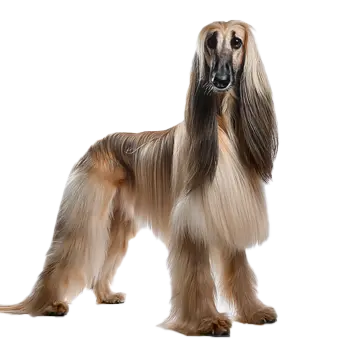
The Afghan Hound is an aristocratic sighthound of ancient origin, distinguished by its elegant bearing and flowing coat. Males typically stand between 27 and 29 inches at the shoulder while females measure slightly smaller at 25 to 27 inches. Weight ranges from 50 to 60 pounds for males and 40 to 50 pounds for females, creating a lean yet powerful silhouette built for speed and endurance. The breed possesses a refined, chiseled head carried proudly on a long, arched neck that flows seamlessly into well-laid-back shoulders. Their overall structure is athletic and springy, with prominent hip bones, a level topline, and a distinctive ring curl at the end of their tail. The deep chest provides ample lung capacity for the stamina required of a coursing hound. The breed's most striking feature is undoubtedly its long, silky, flowing coat that covers nearly the entire body. This luxurious single coat has a fine, silky texture that requires extensive grooming to maintain its spectacular appearance. A distinctive feature is the short-haired saddle along the back, which contrasts elegantly with the long hair on the legs, ears, and sides. The topknot of long, silky hair on the head adds to their regal appearance. Afghan Hounds come in virtually every color and combination, including black, cream, red, silver, brindle, and domino patterns. The coat served as protection against the harsh climate of their native mountainous regions. Their large, almond-shaped eyes convey an expression that is both distant and dignified, often described as looking through rather than at you. The ears are set low and far back on the head, covered with long, silky hair that blends seamlessly into the coat. Their feet are large and covered with thick hair, originally developed to protect them from the harsh rocky terrain of their native Afghanistan. The tail is carried low with a ring or curve at the end, adding to their distinctive profile. The overall impression is one of dignified elegance combined with the athletic capability of a coursing hound bred to hunt in mountainous regions.
Key Characteristics
Temperament Temperament Temperament Temperament Temperament Temperament As sighthounds, Afghan Hounds retain strong prey drive and the instinct to chase moving objects. They require secure fencing and should always be leashed in unsecured areas, as their speed makes them nearly impossible to catch once they spot potential prey. Early socialization is essential to help them develop confidence and appropriate responses to new situations. While generally good with children when raised together, their sensitive nature means they do best with respectful handling and may not tolerate rough play from young children.
Health Considerations Health Considerations Health Considerations Health Considerations Health Considerations Health Considerations Afghan Hounds have a higher incidence of certain cancers, particularly hemangiosarcoma, compared to some other breeds. Bloat, or gastric dilatation-volvulus, is another serious concern for this deep-chested breed. Owners should learn the signs of bloat and take preventive measures such as feeding smaller, more frequent meals and avoiding exercise around feeding times. The breed is notably sensitive to anesthesia and requires careful monitoring during any surgical procedures. Hypothyroidism can also occur, affecting metabolism and coat quality. Regular veterinary checkups and preventive care are essential for maintaining optimal health throughout their lives.
Belgian Sheepdog
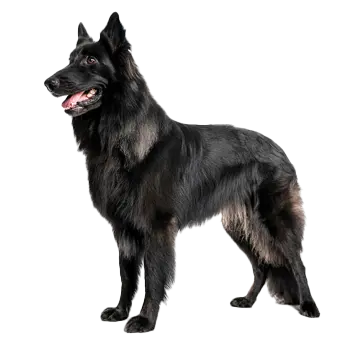
The Belgian Sheepdog, also known as the Groenendael in many countries, is an elegant, well-proportioned herding dog that combines strength with agility. Males stand between 24 and 26 inches at the shoulder, while females are slightly smaller at 22 to 24 inches. Weight ranges from 55 to 75 pounds for males and 45 to 60 pounds for females, creating a medium to large dog with a distinctly square profile when viewed from the side. The breed possesses a moderately pointed muzzle, alert expression, and triangular ears that are stiff and erect, giving them an attentive, intelligent appearance. The body is well-muscled and athletic, built for endurance and agility rather than bulk. The breed's most distinctive feature is its long, abundant black coat that forms a striking silhouette. The double coat consists of a dense undercoat for insulation and a long, straight, moderately harsh outer coat that provides protection from the elements. Males typically display a more pronounced collarette around the neck and longer feathering on the legs, chest, and tail than females. The tail is strong at the base with long, heavy feathering and is carried low at rest but raised with a slight curve when the dog is alert or moving. Small white markings may appear on the chest and between the pads of the feet, and frosting on the muzzle is common in mature adult dogs. The coat requires regular brushing to prevent matting and maintain its lustrous appearance. The Belgian Sheepdog moves with an effortless, ground-covering gait that reflects its heritage as a tireless working dog. The head is carried proudly on a long, well-muscled neck that flows into strong, sloping shoulders. Dark brown, medium-sized, almond-shaped eyes convey an alert and questioning expression that characterizes the breed. The feet are round and cat-like, well-padded for work on varied terrain. The overall impression is of a proud, attentive dog ready for action, combining beauty with the functional structure needed for demanding herding and protection work.
Key Characteristics
Temperament Temperament Temperament Temperament Temperament Temperament This breed possesses remarkable trainability and excels in virtually any canine sport or working role. Belgian Sheepdogs consistently rank among the most intelligent dog breeds and learn new commands quickly. They have an almost intuitive ability to understand what is expected of them and an eagerness to please that makes training a joy. However, their high intelligence and energy require an owner committed to providing adequate mental and physical stimulation. A bored Belgian Sheepdog can become destructive or develop neurotic behaviors. They excel in obedience, agility, herding trials, search and rescue, and various protection sports.
Health Considerations Health Considerations Health Considerations Health Considerations Health Considerations Health Considerations Like many herding breeds, Belgian Sheepdogs can be sensitive to certain anesthetics and medications. This sensitivity should be discussed with veterinarians before any surgical procedures or when prescribing medications. Gastric concerns including bloat can occur in this deep-chested breed, though at lower rates than in some larger breeds. Cancer, particularly hemangiosarcoma and osteosarcoma, can affect Belgian Sheepdogs, especially as they age. Regular veterinary checkups, maintaining a healthy weight, providing appropriate exercise, and feeding a high-quality diet all contribute to the overall health and longevity of these devoted companions.
Important to Remember
Each hybrid dog is unique and may inherit any combination of traits from either parent breed. The information above represents the characteristics of the purebred parent breeds. Your Afghan Sheepdog may favor one parent over the other or display a blend of both. We strongly encourage you to read the complete breed profiles for both the Afghan Hound and Belgian Sheepdog to fully understand the range of possible temperaments, health concerns, and care requirements.