Affenshire
The Affenshire is a cross between the Affenpinscher and the Yorkshire Terrier. Because each hybrid inherits a unique combination of traits from both parents, we recommend thoroughly researching both breeds before choosing a Affenshire. Pay special attention to temperament, health issues, and care requirements, as your dog may express characteristics from either parent breed.
Affenpinscher
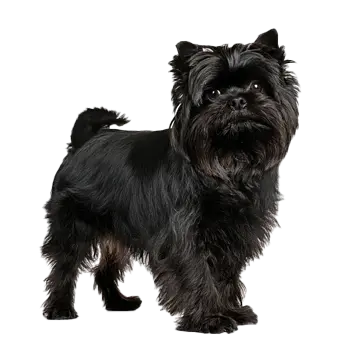
The Affenpinscher is a sturdy, compact toy dog with a distinctive monkey-like expression that gives the breed its name, as "affe" means ape or monkey in German. Standing between nine and eleven and a half inches at the shoulder and weighing seven to ten pounds, this small but robust dog presents a square profile with well-balanced proportions. The breed possesses medium bone structure and exhibits a confident carriage, holding its head upright with an air of self-importance. The skull is domed with a pronounced forehead, and the muzzle is short and blunt without being flattened enough to cause breathing difficulties. The coat is one of the breed's most distinguishing features, consisting of dense, rough, harsh hair approximately one inch long on the shoulders and body, with shorter coverage on the rear and tail. The head, neck, chest, stomach, and legs display longer, less harsh furnishings. Mature dogs develop a characteristic mane or cape of strong hair around the neck and shoulders that blends into the back coat at the withers. The longer hair on the head, eyebrows, and beard stands away from the skull, framing the face to emphasize that signature simian expression. Acceptable coat colors include black, gray, silver, red, black and tan, and belge, which features black, brown, and white hairs mixed with red. The eyes are round, dark, and sparkling with a keen, mischievous expression. The ears may be cropped to stand erect or left natural, appearing either erect, semi-erect, or dropped. The tail is traditionally docked to one to two inches and carried erect, though natural tails curve gently over the back. The overall impression is of a neat but shaggy dog with a terrier-like appearance despite being classified in the Toy Group.
Key Characteristics
Temperament Temperament Temperament Temperament Temperament Temperament These dogs require moderate exercise and mental stimulation to remain content. Though adaptable to apartment living, they need daily walks and interactive play sessions to burn their considerable energy. Without adequate physical and mental outlets, Affenpinschers may become restless and develop unwanted behaviors. Training can present challenges due to their independent thinking, but they respond well to positive reinforcement methods and short, engaging sessions. Early socialization is essential to ensure they develop appropriate behaviors around other pets and people.
Health Considerations Health Considerations Health Considerations Health Considerations Health Considerations Health Considerations The breed's short muzzle creates some brachycephalic characteristics, making them sensitive to temperature extremes and prone to breathing difficulties during hot weather or strenuous exercise. Tracheal collapse, where the windpipe cartilage weakens and flattens, can cause coughing and breathing problems, particularly when pressure is applied to the neck. Eye conditions including cataracts and progressive retinal atrophy have been documented in the breed. Dental problems are common in toy breeds, and Affenpinschers require regular dental care to prevent periodontal disease. Responsible breeders screen for hip, patella, and eye conditions before breeding.
Yorkshire Terrier
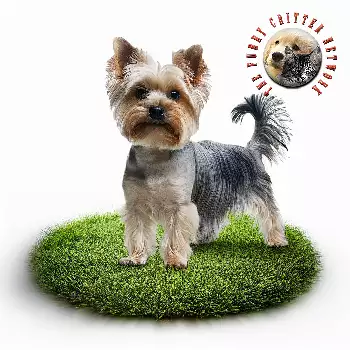
The Yorkshire Terrier is among the smallest of all dog breeds, standing seven to eight inches at the shoulder and weighing no more than seven pounds according to breed standards. Despite this diminutive size, the Yorkie presents a compact, well-proportioned body with an upright, confident carriage that conveys an air of self-importance. The breed's overall outline suggests a vigorous, well-balanced dog with a neat appearance. The head is rather small and flat on top, not too prominent or round in the skull, with a medium-length muzzle and a black nose. The coat is the Yorkshire Terrier's crowning glory, consisting of long, perfectly straight, fine, silky hair that parts naturally down the center of the back from nose to tail. This luxurious coat has a glossy texture that is cool to the touch, distinctly different from the coarser coats of many terrier breeds. The standard calls for floor-length coverage in show dogs, though most companion Yorkies are trimmed to a more manageable length. A notable feature is the fall on the head, which grows long and is typically tied with a bow or two to keep the hair out of the dog's eyes. The hair on the muzzle is also very long, creating the distinctive beard. Yorkie puppies are born with black and tan coloring that gradually transforms as they mature. Adult dogs display a dark steel blue color from the back of the neck to the base of the tail, with a rich golden tan on the head that deepens at the sides near the ears and on the muzzle. The chest and legs present a bright, rich tan. The tan hair is darker at the roots, shading to lighter color at the tips, with no black hairs intermingled. The eyes are medium-sized, dark, and sparkling with intelligence. Ears are small, V-shaped, set high, and carried erect.
Key Characteristics
Temperament Temperament Temperament Temperament Temperament Temperament Training a Yorkshire Terrier requires patience and consistency, as the breed's intelligence is matched by a stubborn streak. Positive reinforcement methods work best, keeping sessions short and engaging to maintain the dog's interest. House training can be particularly challenging due to their small bladders and occasional willfulness. Early socialization is essential to ensure Yorkies develop into well-adjusted adults comfortable with new people, places, and experiences. The breed adapts well to various living situations, making excellent apartment dogs, though they need mental stimulation and regular activity to remain content.
Health Considerations Health Considerations Health Considerations Health Considerations Health Considerations Health Considerations Tracheal collapse is a significant concern in this breed, caused by weakening of the cartilage rings supporting the windpipe. Symptoms include a distinctive honking cough and breathing difficulties, particularly with excitement or exercise. Using a harness rather than a collar helps reduce pressure on the trachea. Portosystemic liver shunt, where blood bypasses the liver through abnormal vessels, is a congenital condition found more frequently in Yorkies than many other breeds, causing toxin buildup and neurological symptoms. Eye problems including cataracts and progressive retinal atrophy can affect vision. Regular veterinary checkups and attention to early warning signs help manage these conditions effectively.
Important to Remember
Each hybrid dog is unique and may inherit any combination of traits from either parent breed. The information above represents the characteristics of the purebred parent breeds. Your Affenshire may favor one parent over the other or display a blend of both. We strongly encourage you to read the complete breed profiles for both the Affenpinscher and Yorkshire Terrier to fully understand the range of possible temperaments, health concerns, and care requirements.