Affen Yorkie
The Affen Yorkie is a cross between the Affenpinscher and the Yorkshire Terrier. Because each hybrid inherits a unique combination of traits from both parents, we recommend thoroughly researching both breeds before choosing a Affen Yorkie. Pay special attention to temperament, health issues, and care requirements, as your dog may express characteristics from either parent breed.
Affenpinscher
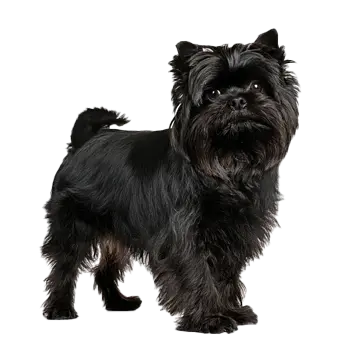
The Affenpinscher is a small, sturdy toy dog that stands between nine and eleven and a half inches at the shoulder and weighs seven to ten pounds. This compact breed possesses a well-balanced, square build with medium bone structure, exhibiting neither a delicate nor overly robust frame. The body is proportioned so that the height at the withers is approximately equal to the length from the point of the shoulder to the point of the buttocks, creating the characteristic square silhouette. The breed carries itself with a distinctly confident and alert posture, holding its head high to project an air of self-importance and comic seriousness. The coat is one of the Affenpinscher's most distinctive features, consisting of dense, rough, harsh hair approximately one inch long on the shoulders and body. The hair may be shorter on the rear and tail, while the head, neck, chest, stomach, and legs display longer, less harsh furnishings. Mature dogs develop a characteristic mane or cape of strong hair that blends into the back coat at the withers area. The longer hair on the head, eyebrows, and beard stands off from the face, framing it to create the breed's signature monkey-like expression. Acceptable coat colors include black, gray, silver, red, black and tan, or belge, with black being preferred by most standards. The head is carried confidently and remains proportionate to the body, featuring a round, domed skull with a prominent forehead and clearly defined stop. The muzzle is short and straight with a flat bridge, while the lower jaw protrudes beyond the upper jaw in a slightly undershot bite. Large, round, dark eyes are placed well apart and sparkle with mischief, contributing to the breed's distinctive facial expression. The ears are set high and may be cropped to stand erect or left natural in either erect, semi-erect, or dropped positions.
Key Characteristics
Temperament Temperament Temperament Temperament Temperament Temperament As companion animals, Affenpinschers form strong bonds with their families and thrive on human interaction and attention. They generally do well with older children who understand how to interact respectfully with small dogs, though their tolerance for rough handling is limited and they may snap if treated roughly. Due to their heritage as rodent hunters, they may not coexist peacefully with small pets like hamsters or guinea pigs. While adaptable to various living situations including apartments, they require mental stimulation and engagement to prevent boredom-related behaviors such as excessive barking.
Health Considerations Health Considerations Health Considerations Health Considerations Health Considerations Health Considerations The breed's brachycephalic facial structure creates some respiratory vulnerabilities that owners should monitor. Affenpinschers may experience breathing difficulties in hot or humid weather due to their shortened muzzles, and collapsed trachea represents another potential concern common to small breeds. Heart conditions including patent ductus arteriosus, a congenital defect where a blood vessel fails to close properly after birth, have been documented in the breed. Eye problems such as cataracts, progressive retinal atrophy, and persistent pupillary membranes require regular monitoring through veterinary examinations. Regular veterinary checkups, maintaining a healthy weight, and using a harness rather than a collar can help prevent or manage many of these conditions effectively.
Yorkshire Terrier
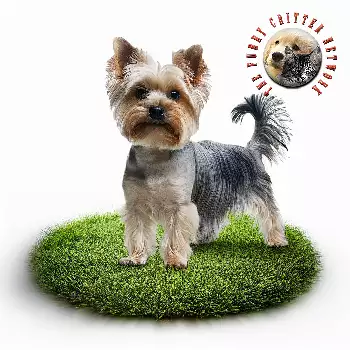
The Yorkshire Terrier is one of the smallest dog breeds, standing just seven to eight inches at the shoulder and weighing no more than seven pounds according to breed standards. Despite their diminutive stature, these tiny dogs possess a well-proportioned, compact body with a neat and level back. The breed carries itself with an air of confident self-importance, holding its head high in a manner that belies its toy classification. Their small frame houses the heart of a true terrier, alert and ready for action at any moment. The Yorkshire Terrier's most distinctive feature is its magnificent coat, which consists of glossy, fine, and silky hair that is perfectly straight rather than wavy. The coat grows continuously like human hair and, when kept in full show length, falls evenly down each side of the body from a part that runs from the back of the skull to the root of the tail. Quality, texture, and quantity of coat are considered of prime importance in the breed standard. The hair on the head is traditionally tied in a topknot with one bow in the center or parted in the middle and tied with two bows, while the muzzle hair is kept very long and the ear tips are trimmed short. The breed's coloring follows a specific pattern of steel blue and tan, with the blue extending over the body from the back of the neck to the root of the tail. The tan hair is darker at the roots, transitioning to lighter shades at the tips, and should never be intermixed with black or sooty hairs. The head features a rather small, flat skull with a medium-length muzzle and V-shaped ears that are set high and carried erect. Dark, sparkling eyes express keen intelligence, while a black nose completes the alert expression. The tail, which may be docked or natural, is carried slightly higher than the level of the back.
Key Characteristics
Temperament Temperament Temperament Temperament Temperament Temperament The breed's temperament includes an independent streak balanced with a deep need for companionship. Yorkies can be territorial and may not always mix well with young children, especially those who are active and noisy, or with other small animals given their hunting heritage. However, when raised with proper socialization from puppyhood, they can integrate well with other household pets. Their feisty character means they rarely back down from confrontation despite their size, which owners must manage carefully. These little dogs have abundant energy and enjoy both active play sessions and quiet lap time with equal enthusiasm.
Health Considerations Health Considerations Health Considerations Health Considerations Health Considerations Health Considerations Legg-Calve-Perthes disease, a degenerative hip condition where the femoral head deteriorates due to insufficient blood supply, commonly appears in Yorkies between four and twelve months of age and may require surgical intervention. Patellar luxation, where the kneecap slips out of position, also occurs frequently in the breed. Heart conditions including patent ductus arteriosus have been documented, along with liver shunts where blood bypasses the liver and allows toxins to accumulate. Eye conditions such as retinal dysplasia, lens luxation, and cataracts require monitoring. Urinary issues including bladder stones may develop. Regular veterinary checkups, genetic health testing of breeding stock, and attention to dental care help maximize health outcomes for these beloved companion dogs.
Important to Remember
Each hybrid dog is unique and may inherit any combination of traits from either parent breed. The information above represents the characteristics of the purebred parent breeds. Your Affen Yorkie may favor one parent over the other or display a blend of both. We strongly encourage you to read the complete breed profiles for both the Affenpinscher and Yorkshire Terrier to fully understand the range of possible temperaments, health concerns, and care requirements.