Petit Gascon Saintongeois

Gascon Saintongeois

Quick Facts

🐕 Breed Group
Scenthound Group
📏 Size Category
Medium to Large
📏 Height
Males: 22-24 inches, Females: 21-23 inches
⚖️ Weight
Males: 40-55 pounds, Females: 38-50 pounds
⏱️ Life Expectancy
12-14 years
🧣 Coat Type
Short, dense, and smooth with tight skin
🎨 Coat Colors
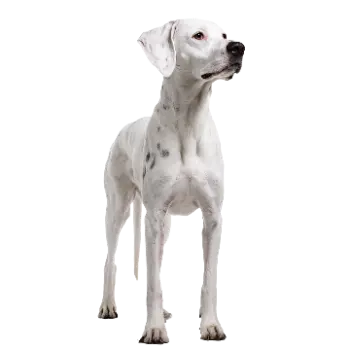
White with black patches and tan (tricolor); may have speckling or ticking on white areas
😀 Temperament
Gentle, sociable, determined, calm, affectionate, pack-oriented
🏃 Exercise Needs
High
🎓 Training Difficulty
Moderate - biddable but easily distracted by scent
👶 Good with Children
Yes, gentle and patient with children
🐾 Good with Other Pets
Excellent with other dogs; caution with small animals due to prey drive

Other Names & Breed Recognition

The Petit Gascon Saintongeois is the smaller of the two size varieties within the Gascon Saintongeois breed, a distinguished French scenthound with roots in the historic Gascony and Saintonge regions of southwestern France. The designation "Petit" in this context does not imply a toy or miniature dog but rather a medium-to-large hound that is smaller than its counterpart, the Grand Gascon Saintongeois, which stands considerably taller and was developed for hunting larger game such as deer. The Petit variety was bred specifically for hare hunting and is sized accordingly for pursuing smaller, faster quarry through varied terrain.

The breed is also known simply as the Gascon Saintongeois when the size distinction is not being emphasized, and the two varieties are sometimes discussed collectively under that umbrella name. In France, where the breed originated and remains most prevalent, both varieties are considered part of the same breed with size being the differentiating factor, similar to the relationship between the Standard and Miniature Poodle. Historical references to the breed may use the French regional names Chien de Saintonge or Petit Bleu de Gascogne interchangeably, though these actually refer to related but distinct breeds within the broader family of French blue-mottled hounds.

International recognition of the Petit Gascon Saintongeois is primarily through the Federation Cynologique Internationale, which classifies both size varieties under Group 6 for Scenthounds and Related Breeds, in the section for Medium-sized Hounds. The United Kennel Club also recognizes the breed within its Scenthound Group. The breed does not hold recognition with the American Kennel Club, The Kennel Club in the United Kingdom, or the Canadian Kennel Club, reflecting its relative rarity outside of France and neighboring European countries where French hound breeds have a longer tradition.

Despite its limited international recognition, the Petit Gascon Saintongeois has a devoted following among French hound enthusiasts and hunters who value the breed's exceptional nose, musical voice, and collaborative pack mentality. Breed numbers remain modest compared to more widely known French hounds like the Beagle or Basset Hound, but dedicated breeders in France and parts of Europe work to preserve the breed's working characteristics and genetic health within established breeding lines.

Petit Gascon Saintongeois Organizations & Standards

The primary breed organization overseeing the Petit Gascon Saintongeois is based in France, where breed clubs dedicated to French scenthounds maintain registries, promote responsible breeding, and organize field trials that test the breed's hunting capabilities. The breed falls under the broader organizational structure of French hound breed clubs that manage multiple related breeds from the Gascony region, including the Grand Gascon Saintongeois, the Grand Bleu de Gascogne, and the Petit Bleu de Gascogne. These organizations work collaboratively to preserve the working heritage and genetic diversity of these historically important hunting breeds.

The FCI breed standard for the Petit Gascon Saintongeois describes a well-proportioned, elegant hound of distinguished appearance with a noble head, long pendulous ears, and a tricolor coat of white, black, and tan. The standard emphasizes the breed's athletic build, straight and well-boned limbs, and smooth, effortless movement that reflects its stamina and efficiency in the field. Temperament is described as gentle and sociable, with particular emphasis on the breed's pack compatibility and its calm, stable character both in the field and at home.

Field trials remain an important component of breed evaluation in France, where the Petit Gascon Saintongeois is assessed on its hunting ability, nose quality, voice, pack cooperation, and endurance. These working tests help ensure that breeding decisions prioritize functional characteristics alongside structural conformation, maintaining the breed's dual identity as both an elegant show dog and a capable working hound. Breeders who participate in these trials are highly regarded within the breed community for their commitment to preserving the complete picture of what the Gascon Saintongeois was developed to be.

For prospective owners outside of France seeking a Petit Gascon Saintongeois, the limited international recognition means that finding a breeder may require reaching out to breed contacts in France or other European countries where the breed is established. The UKC recognition in the United States provides a framework for registration and showing, but breed entries at UKC events remain uncommon. Imported dogs from European breeding lines form the foundation of the small but growing population of Petit Gascon Saintongeois in English-speaking countries.

Kennel Club Recognition

  • FCI: Recognized, Scenthounds and Related Breeds
  • United Kennel Club (UKC): Recognized, Scenthound Group

Petit Gascon Saintongeois Physical Description

The Petit Gascon Saintongeois presents as a well-built, elegant hound of medium-to-large size, standing approximately twenty-one to twenty-four inches at the shoulder and weighing between thirty-eight and fifty-five pounds depending on sex. The breed conveys an impression of refinement and athleticism without being either coarse or excessively fine-boned. The body is well-proportioned with a deep chest that provides substantial lung capacity, a level topline, and a moderately tucked abdomen that contributes to the breed's streamlined silhouette. The overall structure communicates endurance and efficiency, as befitting a hound bred for sustained pursuit of hare across varied terrain.

The head of the Petit Gascon Saintongeois is one of the breed's most refined features, carried with an air of nobility on a long, slightly arched neck. The skull is moderately broad and slightly domed, with a well-defined occiput and a gentle stop transitioning to a strong, slightly aquiline muzzle of good length. The nose is black, large, and well-opened, reflecting the breed's exceptional olfactory capabilities. The eyes are oval in shape, dark brown in color, and set well into the skull, projecting an expression of gentle intelligence and calm confidence. The ears are a defining characteristic, set low and well below the eye line, extremely long, thin, and flexible, reaching well past the tip of the nose when drawn forward and curling inward at the tips.

The breed's coat is short, dense, and smooth, lying close to the body and displaying the distinctive tricolor pattern that is a hallmark of the Gascon Saintongeois type. The base color is white, often with extensive blue-mottled ticking or speckling created by intermingled black hairs on the white background, giving the coat a distinctive blue-gray sheen that is characteristic of the Gascony hound family. Large black patches or a black mantle cover portions of the body and head, and rich tan markings appear above the eyes, on the cheeks, inside the ears, and on the limbs. The pattern creates a striking and immediately recognizable appearance that distinguishes the breed from other tricolor hounds.

The limbs are straight, well-boned, and muscular without being heavy, providing a balanced and efficient framework for the breed's tireless field movement. The feet are oval-shaped with tightly arched toes and firm pads that provide good traction across diverse surfaces. The tail is long, reaching to the hock or slightly beyond, and is carried in a gentle saber curve when the dog is in motion. Movement is smooth, ground-covering, and efficient, with good reach in front and strong drive from behind, reflecting the breed's heritage as a sustained-pursuit hunter.

Affectionate With Family
The Petit Gascon Saintongeois forms deep and lasting bonds with its family members, showing its affection through calm devotion and a desire to be near its people. Unlike some more demonstratively effusive breeds, this hound expresses love through quiet companionship, gently leaning against its owner or resting its head in a family member's lap. The breed is loyal and emotionally attuned, often following household members from room to room without being demanding or clingy. Their gentle and steady affection makes them particularly comforting companions for owners who appreciate a dog that is loving without being overwhelming.
Good With Young Children
The Petit Gascon Saintongeois possesses a naturally gentle and tolerant disposition that translates well to interactions with young children. Their patient nature means they are unlikely to snap or react negatively to the unpredictable movements and sounds of toddlers and small children. The breed's medium-to-large size provides enough sturdiness to handle energetic play without being so massive as to accidentally injure a child. Their calm indoor demeanor and pack-oriented mentality help them view children as members of their social group to be treated with care. Supervision during interactions is always advisable, particularly given the breed's long ears and tail which curious toddlers may find tempting to grab.
Good With Other Dogs
As a breed developed specifically to work in organized packs, the Petit Gascon Saintongeois has an exceptionally strong affinity for other dogs. Pack compatibility was a primary selection criterion during the breed's development, and dogs that showed aggression toward packmates were excluded from breeding programs. This history has produced a breed that is among the most reliably dog-friendly of all hound breeds. They integrate smoothly into multi-dog households and typically approach unfamiliar dogs with friendly curiosity. Many owners and breeders recommend keeping at least two dogs to satisfy the Petit Gascon Saintongeois's strong social needs, as single dogs in the home may become restless or vocal in the absence of canine companionship.
Shedding Level
The Petit Gascon Saintongeois sheds moderately throughout the year, with a noticeable increase during the spring and autumn seasonal coat transitions. Their short, dense coat releases hair steadily but not excessively, and the white hairs can be particularly visible on dark clothing and furniture. Weekly brushing with a rubber curry brush or hound glove significantly reduces the amount of loose hair around the home by collecting dead coat before it is shed naturally. The breed's smooth coat does not trap shed hair the way longer or rougher coats do, so loose hair tends to fall freely rather than collecting in mats or tangles.
Coat Grooming Frequency
The short, smooth coat of the Petit Gascon Saintongeois is one of the breed's most low-maintenance features, requiring minimal grooming effort to keep in excellent condition. A weekly session with a rubber curry brush, hound glove, or bristle brush is sufficient to remove loose hair, distribute natural skin oils, and maintain the coat's healthy sheen. Bathing is needed only occasionally, perhaps once every six to eight weeks or when the dog has rolled in something particularly fragrant, as the breed's coat has natural dirt-shedding properties. The simplicity of the grooming routine makes this breed particularly appealing to owners who prefer a clean, easy-care companion.
Drooling Level
The Petit Gascon Saintongeois is not a heavy drooler compared to many hound breeds with looser, more pendulous lips. Their relatively clean lip line and moderate flews mean that drooling is generally limited to situations involving food anticipation, vigorous exercise, or water consumption. Some individuals may drool more than others depending on head structure, with those possessing slightly looser lips producing more saliva around the mouth. Overall, the breed falls in the low-to-moderate range for drooling, and most owners find that a towel kept near the food and water area addresses any cleanup needs.
Coat Type
The Petit Gascon Saintongeois wears a short, dense, smooth coat that lies close to the body and provides functional protection without excessive bulk. The coat texture is firm and resilient, offering some defense against underbrush and brambles encountered during field work without catching on vegetation the way a longer coat would. The skin beneath is supple and relatively tight, without the excessive looseness seen in some other hound breeds. The breed's distinctive tricolor pattern of white, black, and tan markings is displayed to striking effect on this sleek coat, and the white areas often feature attractive speckling or ticking that gives the coat added visual texture.
Openness To Strangers
The Petit Gascon Saintongeois generally welcomes strangers with calm friendliness rather than suspicion or excessive excitement. Their sociable pack heritage has produced a breed that is comfortable around unfamiliar people and does not tend toward nervousness or territorial aggression when visitors enter the home. They may announce a visitor's arrival with their resonant hound voice but will typically greet the newcomer warmly once introduced. This openness makes them pleasant companions for social households but limits their effectiveness as guard dogs, as they are more inclined to befriend an intruder than to challenge one.
Playfulness Level
The Petit Gascon Saintongeois has a moderate level of playfulness that is expressed more through outdoor exploration and scent-driven activities than through typical fetch or tug games. They enjoy interactive sessions with their owners, particularly those that engage their powerful nose, and can become animated and enthusiastic during outdoor excursions where interesting scent trails abound. However, they are not the perpetually playful clowns that some other breeds are, and their indoor demeanor tends toward calm relaxation. Play sessions are appreciated but should be balanced with the breed's considerable need for rest and downtime, as these hounds alternate between bursts of focused activity and periods of deep relaxation.
Watchdog/Protective Nature
The Petit Gascon Saintongeois possesses a deep, resonant hound voice that it will deploy to announce the arrival of visitors, unusual sounds, or noteworthy scents in the environment. This vocal alertness makes them reasonable watchdogs in the sense that they will notify their owners of activity around the property. However, the breed lacks true protective instincts and will not physically intervene to defend its territory or family against a threat. Their value as a watchdog is purely auditory, and their friendly disposition toward strangers means they are easily won over by anyone who approaches with friendly intent.
Adaptability Level
The Petit Gascon Saintongeois is a breed that functions best in rural or suburban settings with ample outdoor space and is among the less adaptable hound breeds when it comes to urban or apartment living. Their high exercise needs, powerful voice, and strong scent drive make them challenging in confined or densely populated environments. They do not adjust easily to minimal exercise routines and will become restless, vocal, and potentially destructive if their physical and mental needs are not met. Changes in routine or environment are handled with reasonable composure, but the breed's fundamental requirements for space, exercise, and ideally canine companionship are non-negotiable for their wellbeing.
Trainability Level
The Petit Gascon Saintongeois is a moderately trainable breed that responds well to patient, consistent instruction delivered through positive reinforcement methods. They are more biddable than many independent hound breeds, showing a genuine willingness to cooperate with their handler when the reward structure is motivating and the training approach is fair. Their pack heritage gives them an underlying desire to fit within a social structure, which can be leveraged during training. However, their powerful nose remains their primary distraction, and a scent trail will override learned commands with remarkable reliability. Training sessions should be kept interesting and relatively brief, and expectations for off-leash reliability should be tempered by the reality of the breed's deeply ingrained scent-following instincts.

Petit Gascon Saintongeois History & Development

The history of the Petit Gascon Saintongeois is intertwined with the broader story of French scenthound development in the southwestern regions of France, where a rich tradition of organized pack hunting shaped numerous hound breeds over centuries. The breed's origins trace to the deliberate crossing of the Saintongeois hound, an ancient breed from the Saintonge region known for its exceptional nose and refined appearance, with the Grand Bleu de Gascogne, a powerful and musical hound from the neighboring Gascony region. This crossing was undertaken in the nineteenth century by Count Joseph de Carayon-Latour, who sought to preserve the qualities of the declining Saintongeois breed by infusing it with the vigor and pack reliability of the Gascon hounds.

The resulting Gascon Saintongeois combined the best attributes of both parent breeds: the elegant structure and keen nose of the Saintongeois with the stamina, voice, and pack instinct of the Bleu de Gascogne. Initially, the breed was developed as a large hound for deer hunting, but French hunters recognized the need for a smaller, more agile version suited to hare hunting, which was a more common and accessible form of organized hunting throughout the French countryside. Selective breeding for reduced size while maintaining the breed's essential character produced the Petit variety, which became established as a distinct type within the breed.

The Petit Gascon Saintongeois gained its own identity within the FCI classification system, recognized as a separate variety with its own size standard while sharing the breed name and essential characteristics with the Grand variety. In France, the breed found its niche among hunters who maintained small packs for weekend hare hunting, valuing the breed's exceptional nose, sonorous voice, and cooperative pack behavior. The breed's gentle temperament also made it suitable for hunters who kept their hounds as household companions between hunts rather than maintaining them exclusively in outdoor kennels.

Despite its many admirable qualities, the Petit Gascon Saintongeois has remained relatively unknown outside of France and parts of continental Europe. The decline of organized pack hunting in many countries, combined with the dominance of British and American hound breeds in the international consciousness, has limited the breed's exposure and dispersal. However, the growing interest in rare and heritage breeds among international dog enthusiasts has brought modest attention to the Petit Gascon Saintongeois in recent years. Small numbers have been imported to the United Kingdom, North America, and other regions by breed fanciers who appreciate the breed's combination of elegance, working ability, and gentle companionship.

Petit Gascon Saintongeois Temperament & Personality

The Petit Gascon Saintongeois possesses one of the most agreeable and balanced temperaments in the scenthound group, combining the gentle calmness valued in a household companion with the focused determination required of a working pack hound. At home, these dogs are notably calm and undemanding, content to rest quietly near their family members between exercise sessions. This relaxed indoor demeanor is one of the breed's most appealing characteristics, as it allows a dog with considerable athletic capability to coexist peacefully in a domestic setting without the restless pacing or anxious energy exhibited by some other high-drive breeds.

The breed's pack heritage has produced a dog with exceptionally strong social instincts that extend to both canine and human companions. The Petit Gascon Saintongeois does not thrive in isolation and genuinely needs regular social interaction to maintain its emotional wellbeing. Dogs deprived of adequate companionship may develop stress-related behaviors including excessive howling, destructive chewing, and attempted escape. For this reason, the breed is best suited to homes where someone is present for most of the day or where another compatible dog provides companionship during the owner's absences.

When engaged in scent work or outdoor exploration, the Petit Gascon Saintongeois transforms from a calm homebody into a focused, driven, and tireless hunter. The transition between these two modes is remarkable and speaks to the breed's ability to modulate its energy level according to context. On a scent trail, the breed displays intense concentration, stamina, and a resonant baying voice that carries over considerable distances. This voice, while musical and appreciated in rural settings, is a significant consideration for owners in suburban or urban environments where noise sensitivity may be an issue.

The Petit Gascon Saintongeois is typically gentle and patient with all family members, including children, and displays none of the sharp temperament or nervous reactivity that can be problematic in some other breeds. They are forgiving of handling mistakes and tolerant of the sometimes chaotic energy of a busy household. Their emotional stability and steady character make them reliable companions in various social situations, from family gatherings to encounters with strangers on walks. However, their gentle nature should not be confused with passivity. These are confident, self-assured dogs that carry themselves with quiet dignity and are fully capable of asserting themselves when the situation warrants it.

Petit Gascon Saintongeois Family Life & Living Requirements

The Petit Gascon Saintongeois is best suited to family environments that can provide ample outdoor space, regular exercise, and consistent social interaction. The ideal home for this breed is a rural or suburban property with a large, securely fenced yard where the dog can explore, exercise, and engage its nose in a safe environment. The breed's strong scent drive makes secure containment essential, as an unsecured Petit Gascon Saintongeois will follow an interesting scent trail with complete disregard for property boundaries, roads, or distance from home. Fencing should be tall and secure, as these athletic hounds are capable of clearing surprisingly significant obstacles when motivated.

Within the home, the Petit Gascon Saintongeois is a surprisingly well-mannered and unobtrusive housemate. Once their exercise needs have been met, these dogs settle quietly and are content to rest on a comfortable bed or couch near their family. They are not prone to hyperactive indoor behavior, excessive jumping, or the kind of restless energy that makes some sporting and working breeds challenging household companions. This calm indoor temperament makes them pleasant to live with and particularly appreciated by families who want an active outdoor companion that transforms into a relaxed homebody once inside.

The breed's compatibility with children is excellent, supported by their gentle disposition, patient nature, and sturdy build. They integrate well into families with children of all ages, though very young children should be supervised during interactions to prevent inadvertent rough handling of the dog's long ears. The Petit Gascon Saintongeois seems to intuitively moderate its behavior around smaller family members, displaying an extra measure of gentleness that makes them trustworthy companions for growing families.

Multi-pet households suit the Petit Gascon Saintongeois well, provided that small animals are kept securely separated from the dog. Their exceptional compatibility with other dogs makes them natural additions to homes that already have canine residents, and they generally integrate with minimal conflict. However, their strong prey drive means that cats, rabbits, guinea pigs, and other small pets require careful management and secure housing. Some Petit Gascon Saintongeois can learn to coexist peacefully with cats when raised alongside them from puppyhood, but this should never be assumed and unsupervised interaction between the dog and small animals should be avoided.

Petit Gascon Saintongeois Training & Exercise Needs

Training the Petit Gascon Saintongeois benefits from an approach that recognizes and respects the breed's dual nature as both an eager-to-please companion and a scent-driven independent hunter. In controlled indoor or low-distraction environments, these dogs can be surprisingly responsive and cooperative, showing a genuine desire to understand and fulfill their handler's expectations. Positive reinforcement methods using food rewards produce the best results, as the breed's healthy appetite provides a reliable motivational tool. Calm, consistent handling builds trust and cooperation, while harsh corrections or impatient training methods can cause the breed to shut down emotionally or become avoidant.

The primary training challenge with the Petit Gascon Saintongeois is managing the overwhelming power of their nose in outdoor environments rich with scent. Once a compelling scent trail is detected, the breed's centuries of selective breeding for scent-following override virtually all learned commands. This makes reliable off-leash recall extremely difficult to achieve and maintain, and owners should plan their exercise and management strategies accordingly. Training a strong recall in low-distraction environments is worthwhile, but it should never be relied upon as the sole means of controlling the dog in unfenced areas.

Exercise requirements for the Petit Gascon Saintongeois are substantial, reflecting the breed's heritage as an endurance hunter bred for hours of sustained activity in the field. A minimum of sixty to ninety minutes of daily exercise is recommended, ideally including both leashed walks and off-leash running in securely fenced areas. The breed particularly thrives when exercise incorporates scent-based challenges, such as tracking exercises, scent work training, or simple hide-and-seek games with treats or toys hidden throughout the yard. These activities engage the dog's most powerful natural drive and provide mental stimulation that physical exercise alone cannot match.

Beyond structured exercise, the Petit Gascon Saintongeois benefits from environmental enrichment that keeps its active mind engaged throughout the day. Puzzle feeders, snuffle mats, and scent-dispensing toys can supplement physical exercise and help prevent boredom during periods when outdoor activity is limited by weather or other circumstances. The breed also enjoys participating in organized canine sports including tracking, scent work competitions, and rally obedience, all of which provide structured outlets for their natural abilities while strengthening the bond between dog and handler.

Petit Gascon Saintongeois Health Concerns

The Petit Gascon Saintongeois is generally a hardy and healthy breed that benefits from the genetic diversity maintained through its relatively unmodified working heritage. Unlike breeds that have been heavily selected for extreme physical characteristics, the Petit Gascon Saintongeois retains a functional, moderate build that contributes to its overall structural soundness and longevity. The breed's typical lifespan of twelve to fourteen years is respectable for a dog of its size and reflects the general robustness that characterizes many traditional French hound breeds.

As with all medium-to-large breeds, orthopedic health is an important consideration for the Petit Gascon Saintongeois. Hip and elbow dysplasia can occur in the breed, and responsible breeders screen their breeding stock through radiographic evaluation to reduce the incidence of these conditions. Maintaining a healthy body weight throughout the dog's life, particularly during the rapid growth phase of puppyhood, is one of the most effective preventive strategies for minimizing the development and severity of joint problems. Avoiding excessive high-impact exercise during the growth period, when bones and joints are still developing, also helps protect long-term structural integrity.

The breed's deep chest conformation places it at elevated risk for gastric dilatation-volvulus, commonly known as bloat, a life-threatening emergency in which the stomach fills with gas and may rotate on its axis. This condition can progress rapidly from initial symptoms to a fatal outcome if not treated immediately with veterinary intervention. Owners should familiarize themselves with the early signs of bloat, which include unsuccessful attempts to vomit, abdominal distension, restlessness, excessive drooling, and signs of distress. Preventive measures include feeding multiple smaller meals rather than one large daily meal, avoiding exercise immediately before and after eating, and discussing the option of prophylactic gastropexy with your veterinarian.

The breed's long, pendulous ears are a predisposing factor for chronic ear infections, a condition that is manageable with consistent preventive care but can become a recurring problem if neglected. The warm, poorly ventilated ear canal created by the heavy ear leather provides an ideal environment for bacterial and yeast overgrowth, particularly after the dog has been swimming or exposed to wet conditions. Establishing a routine of weekly ear inspection and cleaning from puppyhood helps both prevent infections and accustom the dog to ear handling, making future veterinary examinations and treatments less stressful.

Common Health Issues

  • Hip Dysplasia - As a medium-to-large breed, the Petit Gascon Saintongeois can be affected by hip dysplasia, a developmental condition in which the hip joint forms improperly, leading to abnormal wear, pain, and eventual arthritis. Radiographic screening of breeding stock helps reduce the incidence within breeding lines.
  • Ear Infections - The breed's long, pendulous ears restrict airflow to the ear canal, creating warm, moist conditions that promote bacterial and yeast infections. Regular ear cleaning and inspection, particularly after swimming or exposure to wet conditions, is essential for prevention.
  • Gastric Dilatation-Volvulus (Bloat) - Like many deep-chested breeds, the Petit Gascon Saintongeois is at elevated risk for gastric dilatation-volvulus, a life-threatening condition in which the stomach fills with gas and can twist on its axis. Feeding multiple smaller meals daily, avoiding vigorous exercise around feeding times, and recognizing early symptoms are important preventive strategies.
  • Elbow Dysplasia - This developmental condition of the elbow joint can cause lameness and pain in the front legs of the Petit Gascon Saintongeois. The condition involves abnormal development of the bones forming the elbow, potentially including fragmented coronoid process or ununited anconeal process. Early veterinary evaluation of any front-leg lameness is recommended.
  • Obesity - The Petit Gascon Saintongeois has a healthy appetite and can be prone to weight gain, particularly if exercise levels do not match caloric intake. Excess weight in this breed increases the risk of joint problems, cardiovascular strain, and reduced stamina. Careful portion control and regular weight monitoring are important throughout the dog's life.
  • Hypothyroidism - An underactive thyroid gland can affect the Petit Gascon Saintongeois, leading to symptoms including unexplained weight gain, lethargy, skin and coat changes, and cold intolerance. The condition is diagnosed through blood testing and is readily managed with daily oral thyroid hormone supplementation.

Preventive Care & Health Monitoring

  • Ear Care - Clean the Petit Gascon Saintongeois's long ears weekly using a veterinarian-recommended ear cleaning solution. Gently lift each ear flap to allow air circulation after cleaning, and inspect for redness, odor, or discharge that may indicate the onset of infection. Dry ears thoroughly after swimming or bathing.
  • Bloat Prevention - Feed the Petit Gascon Saintongeois two to three smaller meals daily rather than one large meal to reduce the risk of gastric dilatation-volvulus. Avoid elevated food bowls unless specifically recommended by your veterinarian, discourage rapid eating using slow-feeder bowls, and restrict vigorous activity for at least one hour before and after meals.
  • Joint Health Monitoring - Maintain the Petit Gascon Saintongeois at a lean, healthy body weight throughout its life to minimize stress on the hip and elbow joints. Provide joint-supporting supplements containing glucosamine and chondroitin as recommended by your veterinarian, particularly as the dog enters middle age. Avoid high-impact activities like jumping from heights during the growth period.
  • Dental Maintenance - Brush the Petit Gascon Saintongeois's teeth several times weekly using enzymatic toothpaste formulated for dogs. Provide appropriate dental chews to supplement brushing, and schedule professional dental cleanings as recommended by your veterinarian based on the individual dog's dental health assessment.
  • Exercise and Weight Management - Provide at least sixty to ninety minutes of daily exercise to maintain physical fitness and mental wellbeing. Monitor body condition regularly by feeling the ribs, which should be easily palpable under a thin layer of fat. Adjust food portions based on activity level, age, and body condition rather than relying solely on package feeding guidelines.

Petit Gascon Saintongeois Grooming & Maintenance

The Petit Gascon Saintongeois is one of the most low-maintenance breeds in terms of coat care, making it an appealing choice for owners who prefer to spend their time exercising and training their dog rather than grooming it. The short, smooth coat requires only weekly brushing with a rubber curry brush, hound glove, or soft bristle brush to remove loose hair, distribute natural oils, and maintain the coat's healthy sheen. This simple routine takes only a few minutes and provides an excellent opportunity to check the skin for parasites, irritations, or unusual lumps that might warrant veterinary attention.

Bathing the Petit Gascon Saintongeois is needed only occasionally, as the breed's short coat has natural dirt-shedding properties and does not tend to develop the strong odor associated with some other hound breeds. A bath every six to eight weeks or when visibly dirty is generally sufficient. When bathing, use a mild shampoo formulated for dogs to avoid stripping the coat's natural protective oils. Thorough rinsing and drying are important, with particular attention paid to drying the ears completely to prevent moisture-related infections in the ear canal.

Ear care is the most critical aspect of the Petit Gascon Saintongeois's grooming routine and requires consistent, diligent attention. The breed's long, heavy ears should be inspected and cleaned weekly using a veterinarian-approved ear cleaning solution. The ear flaps should be lifted and held open for a few minutes after cleaning to allow air circulation and thorough drying. Between cleanings, check for signs of infection including redness, swelling, unusual odor, or dark discharge. After swimming, rain exposure, or bathing, the ears should be dried promptly to prevent the moisture buildup that encourages microbial overgrowth.

Additional routine maintenance includes nail trimming every two to three weeks, dental care through regular brushing with canine-formulated toothpaste, and inspection of the foot pads and between the toes after outdoor excursions. The breed's nails tend to grow at a moderate rate and may wear down naturally on hard surfaces during daily walks, but regular trimming ensures they remain at an appropriate length to prevent splaying of the feet or discomfort during movement. Establishing these grooming routines during puppyhood creates a well-conditioned adult dog that accepts handling and maintenance procedures with calm cooperation.