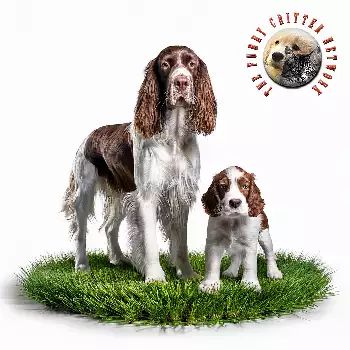

Norfolk Spaniel

English Springer Spaniel

Quick Facts

🐕 Breed Group
Sporting Group
📏 Size Category
Medium
📏 Height
Males: 20 inches, Females: 19 inches
⚖️ Weight
Males: 50 pounds, Females: 40 pounds
⏱️ Life Expectancy
12-14 years
🧣 Coat Type
Double coat - medium-length, flat or wavy outer coat with dense undercoat
🎨 Coat Colors
Black and white, liver and white, blue or liver roan, tricolor
😀 Temperament
Friendly, playful, obedient, eager to please, energetic, affectionate
🏃 Exercise Needs
High - requires at least one to two hours of vigorous daily exercise
🎓 Training Difficulty
Low - highly trainable and eager to please
👶 Good with Children
Excellent with children of all ages
🐾 Good with Other Pets
Very good with other dogs and pets, especially when socialized early

Other Names & Breed Recognition

The Norfolk Spaniel is a historical name for the breed now universally recognized as the English Springer Spaniel. This designation was commonly used throughout much of the 19th century, particularly in the eastern counties of England where the breed was popular among sportsmen and estate owners. The name reflected the breed's strong association with the county of Norfolk, where many prominent breeding programs were established and the dogs were widely employed for flushing and retrieving game birds.

The transition from the Norfolk Spaniel designation to the English Springer Spaniel name occurred gradually during the late 1800s and early 1900s as breed standardization efforts gained momentum. The Kennel Club in England and later the American Kennel Club adopted English Springer Spaniel as the official breed name, reflecting the dog's characteristic springing action used to flush game from cover. The older Norfolk Spaniel name persisted informally for some years among traditionalist breeders and sportsmen who preferred the regional designation.

In historical sporting literature and early canine reference works, the Norfolk Spaniel appears frequently as a distinct entry, though the dogs described are identical in type and function to those later classified under the English Springer Spaniel standard. Some early writers attempted to distinguish Norfolk Spaniels from other regional spaniel types such as the Devon Spaniel or the Welsh Springer, though these distinctions were often based on minor coat color variations rather than substantive differences in structure or working ability.

Today the Norfolk Spaniel name is primarily encountered in historical texts on British sporting dogs and in discussions of spaniel breed development. It remains a recognized alternate designation in breed reference materials, preserving the breed's connection to its geographic origins and the important role that Norfolk-based breeding programs played in establishing the modern English Springer Spaniel type.

Norfolk Spaniel Organizations & Standards

The breed now known as the English Springer Spaniel is recognized by all major international kennel clubs, with well-established breed standards that have evolved from the type once known as the Norfolk Spaniel. The American Kennel Club has placed the breed in its Sporting Group since granting recognition in 1910, and the breed consistently ranks among the most popular sporting dogs registered in the United States. The AKC breed standard emphasizes a balanced, medium-sized dog built for endurance and agility in the field.

The Kennel Club in the United Kingdom, where the Norfolk Spaniel name originated, classifies the breed within its Gundog Group. British breed enthusiasts have maintained particularly detailed records of the breed's development from its Norfolk Spaniel origins, and the UK breed standard reflects the working heritage that defined the original type. The Federation Cynologique Internationale recognizes the breed in Group 8 as a Flushing Dog, making the breed accessible to exhibitors and breeders throughout the FCI member nations.

The United Kennel Club classifies the breed within its Gun Dog Group, and the Canadian Kennel Club places it among Sporting Dogs. Both organizations maintain breed standards that align closely with the AKC and Kennel Club standards while reflecting their respective organizational priorities. Breed-specific clubs such as the English Springer Spaniel Field Trial Association and the English Springer Spaniel Club of America serve as parent breed organizations that oversee breed education, health initiatives, and competitive events.

These parent breed clubs maintain detailed breed standards that describe the ideal Norfolk Spaniel or English Springer Spaniel as a compact, medium-sized dog with a kindly expression, moderate bone, and a coat of sufficient density to provide protection in field conditions. The standards across registries are broadly consistent, though some variation exists between field-bred and show-bred types, a distinction that has become increasingly pronounced over the past several decades.

Kennel Club Recognition

  • American Kennel Club (AKC): Recognized in 1910, Sporting Group
  • United Kennel Club (UKC): Recognized, Gun Dog
  • Canadian Kennel Club (CKC): Recognized, Sporting Dogs
  • FCI: Recognized, Retrievers - Flushing Dogs - Water Dogs
  • The Kennel Club (UK): Recognized, Gundog

Norfolk Spaniel Physical Description

The Norfolk Spaniel is a well-proportioned, medium-sized sporting dog that presents an image of strength and endurance without coarseness. Males typically stand around 20 inches at the shoulder and weigh approximately 50 pounds, while females are slightly smaller at about 19 inches and 40 pounds. The overall silhouette is compact and balanced, with the body length slightly exceeding the height at the withers, creating the rectangular outline characteristic of a dog built for sustained work in the field.

The head of the Norfolk Spaniel is one of the breed's most distinguishing features, with a moderately broad skull that is slightly rounded and a well-defined stop between the forehead and the muzzle. The eyes are medium-sized, oval-shaped, and set well apart, conveying the breed's characteristic kind and trusting expression. Eye color harmonizes with the coat, typically ranging from dark hazel to brown. The long, pendulous ears are set at approximately eye level, lie close to the head, and are covered in wavy feathering that adds to the breed's attractive appearance.

The body is solidly constructed with a deep chest that extends to the elbows, providing ample lung capacity for extended fieldwork. The topline is level and firm from the withers to a slightly sloping croup, and the loin is short and muscular. The tail, traditionally docked in working specimens though increasingly left natural, is carried horizontally or with a slight upward curve and is covered in a moderate fringe of feathering. The legs are straight, well-boned, and muscular, with compact, round feet featuring thick pads suited to rough terrain.

The Norfolk Spaniel's coat is a functional double coat consisting of a flat or slightly wavy outer layer of medium length over a dense, insulating undercoat. Feathering develops on the ears, chest, undersides, backs of the legs, and tail, providing additional protection during work in heavy cover. Accepted coat colors include black and white, liver and white, blue roan, liver roan, and tricolor patterns. The coat's texture is designed to be sufficiently dense to protect against thorns and cold water while remaining manageable enough that it does not collect excessive debris during field outings.

Affectionate With Family
The Norfolk Spaniel is an exceptionally affectionate breed that thrives on close family bonds. These dogs are deeply devoted to their human companions and will eagerly follow family members from room to room throughout the day. They have a strong need for physical closeness and often lean against their owners or rest their heads in laps. Their affectionate nature makes them outstanding household companions, though their desire for constant human contact means they do not do well when left alone for extended periods.
Good With Young Children
Norfolk Spaniels are widely regarded as one of the most child-friendly sporting breeds. Their patient and gentle temperament makes them particularly well suited for families with young children, and they seem to instinctively moderate their energy around smaller family members. These dogs are playful enough to keep up with active children while remaining tolerant of the unpredictable handling that often comes from toddlers. Their sturdy medium build also means they are neither too fragile nor too powerful for interactions with young ones, striking an ideal balance for family life.
Good With Other Dogs
As a breed developed to work cooperatively in the field alongside other dogs, the Norfolk Spaniel generally gets along well with canine companions. They are sociable and enjoy the company of other dogs, rarely displaying dominance-related aggression. Multi-dog households are typically a good fit for this breed, and they tend to integrate smoothly with existing pets when proper introductions are made. Some individuals may become overly exuberant during play, so supervision with smaller or more timid dogs is advisable until appropriate play boundaries have been established.
Shedding Level
The Norfolk Spaniel has a moderate shedding level consistent with its double-coated structure. Throughout most of the year, loose hair is manageable with regular brushing, though owners should expect a noticeable increase during the spring and fall seasonal coat transitions. The feathering on the ears, chest, legs, and belly tends to collect debris and shed hair, which can give the appearance of more shedding than actually occurs. Regular grooming sessions will keep loose hair under control and maintain the coat in healthy condition.
Coat Grooming Frequency
Norfolk Spaniels require consistent but not overly demanding grooming attention. Their medium-length coats benefit from thorough brushing two to three times per week to prevent tangles, particularly in the feathered areas around the ears, legs, chest, and belly. The long, pendant ears of this breed are especially prone to matting and should receive daily attention. Bathing is needed every six to eight weeks or after particularly muddy field outings. Many owners choose to have the feathering trimmed periodically to reduce maintenance and keep the dog looking tidy.
Drooling Level
The Norfolk Spaniel is not a breed known for excessive drooling. Their muzzle structure and tight lip configuration mean that drooling is minimal under normal circumstances. Owners can expect a clean, dry-mouthed companion in the vast majority of daily situations. Some slight drooling may occur in anticipation of food or after vigorous drinking, but this is brief and incidental. Those who are sensitive to slobber will find this breed to be a refreshingly tidy choice among medium-sized sporting dogs.
Coat Type
The Norfolk Spaniel's coat is one of its most recognizable features, consisting of a flat or gently wavy outer coat of medium length with a dense, weather-resistant undercoat. The body coat lies relatively close, while longer feathering develops on the ears, chest, undersides, backs of the legs, and tail. This double coat was developed to protect the dog during fieldwork in dense cover and cold water. The texture is silky but functional, providing insulation without being so profuse as to impede movement during work in brush and undergrowth.
Openness To Strangers
Norfolk Spaniels are generally welcoming and friendly toward new people, reflecting the sociable nature bred into sporting spaniels over centuries. They typically greet visitors with enthusiasm, often approaching with a wagging tail and an invitation for attention. While they may bark briefly to announce the arrival of someone unfamiliar, they rarely display suspicion or wariness once introductions have been made. This openness makes them poor guard dogs but excellent companions for social households that frequently entertain guests or encounter new people during outings.
Playfulness Level
The Norfolk Spaniel is a remarkably playful breed that retains a puppy-like enthusiasm for games and interaction well into adulthood. They are natural retrievers and will happily chase balls, toys, and sticks for extended play sessions. Their playful disposition extends to interactive games with family members, and many Norfolk Spaniels invent their own games to solicit attention. This breed also displays a characteristic bouncy gait when excited that owners find endearing. Their playfulness is a significant asset in family settings but requires an outlet to prevent the development of destructive behaviors born from boredom.
Watchdog/Protective Nature
While Norfolk Spaniels are attentive enough to alert their families to unusual sounds or approaching visitors with a bark, they lack the protective instincts needed for effective guarding. Their friendly and trusting nature means they are far more likely to welcome an intruder with a wagging tail than to deter one with a threatening posture. They do not possess the territorial drive found in guardian breeds and will not escalate beyond initial alerting. Families seeking a dog primarily for security purposes should consider other breeds better suited to that role.
Adaptability Level
Norfolk Spaniels are moderately adaptable dogs that can adjust to various living situations provided their exercise needs are met. They can live successfully in apartments if given sufficient daily physical and mental stimulation, though a home with a securely fenced yard is preferable. They tolerate moderate climate variations well thanks to their double coat, performing admirably in cool and temperate conditions. However, their high energy demands and need for human companionship mean they are not well suited to sedentary households or situations where they would be left alone for much of the day.
Trainability Level
The Norfolk Spaniel is among the most trainable of all sporting breeds, combining high intelligence with a strong desire to please its handler. They respond exceptionally well to positive reinforcement methods and are capable of learning complex commands and multi-step tasks with relative ease. Their eagerness to work cooperatively with humans was a cornerstone of their development as field dogs, and this trait translates seamlessly into obedience, agility, and other structured training environments. Consistency and patience yield outstanding results, and harsh correction methods are both unnecessary and counterproductive with this sensitive breed.

Norfolk Spaniel History & Development

The history of the Norfolk Spaniel is interwoven with the broader development of the English land spaniels, a group of versatile hunting dogs that formed the foundation for several modern spaniel breeds. During the medieval period, spaniels were broadly categorized by their function rather than by breed, with land spaniels distinguished from water spaniels based on their primary working environment. The dogs that would eventually be known as Norfolk Spaniels emerged from this general land spaniel population, gradually refined by sportsmen in eastern England who selected for specific traits suited to the terrain and game of their region.

By the 18th and 19th centuries, the spaniels used for flushing game in the Norfolk region had developed a recognizable type that was larger and more powerful than the smaller setting spaniels used for woodcock hunting. These Norfolk Spaniels excelled at springing game from dense cover and driving birds into flight within range of the guns. The springing action that defined their work would later give the breed its modern name, though for much of the 19th century, the Norfolk Spaniel designation was the primary identifier used by breeders and sportsmen in the region.

The formalization of dog breeding in the latter half of the 19th century brought increased attention to distinguishing and standardizing the various spaniel types. The founding of The Kennel Club in 1873 and the subsequent development of breed registries created pressure to establish clear breed boundaries within the spaniel family. During this period, the larger springing spaniels, including those known as Norfolk Spaniels, were gradually consolidated under the English Springer Spaniel designation, distinguishing them from the smaller English Cocker Spaniel and the Welsh Springer Spaniel.

The early 20th century saw the formal adoption of the English Springer Spaniel name and the establishment of breed standards that codified the type. The Sporting Spaniel Society in England and later the English Springer Spaniel Club of America played key roles in promoting the breed under its new name. Throughout this transition, the working qualities that had defined the Norfolk Spaniel remained central to the breed's identity, ensuring that the modern English Springer Spaniel retained the field abilities that had made its predecessor so valued among sporting enthusiasts.

In the decades following breed standardization, a divergence gradually developed between dogs bred primarily for field work and those bred for the show ring. Field-bred Norfolk Spaniels, now English Springer Spaniels, retained the lean build, high energy, and intense prey drive of their working ancestors, while show-bred lines developed a heavier bone structure, more profuse coat, and calmer disposition suited to the conformation ring. This dual-type development remains a defining characteristic of the breed today.

Norfolk Spaniel Temperament & Personality

The Norfolk Spaniel possesses a temperament that has earned the breed a reputation as one of the most companionable and versatile of all sporting dogs. At the core of the breed's personality is an eager desire to please, coupled with an intelligence that makes the Norfolk Spaniel responsive and attuned to the moods and expectations of its human family. These dogs are genuinely people-oriented, preferring to be involved in family activities rather than left to their own devices, and they form deep emotional bonds with their primary caregivers.

The breed's friendly and outgoing nature extends beyond the immediate family to encompass a general goodwill toward strangers and other animals. Norfolk Spaniels are rarely suspicious or aggressive toward unfamiliar people, approaching new acquaintances with curiosity and warmth. This sociability makes them poor candidates for guard duty but excellent companions for families who enjoy an active social life. Their amiable disposition also extends to other dogs and household pets, particularly when early socialization has provided positive experiences with a variety of animals.

Despite their gentle and affectionate nature, Norfolk Spaniels are far from passive or sedentary dogs. They possess a lively, playful energy that persists well beyond puppyhood, and they approach daily activities with an enthusiasm that can be both endearing and demanding. Their sporting heritage gives them a natural love of outdoor activities, and they are happiest when engaged in games, walks, or any form of interactive exercise with their families. This energetic disposition requires a constructive outlet, as bored or understimulated Norfolk Spaniels may channel their energy into undesirable behaviors such as excessive barking, digging, or destructive chewing.

The Norfolk Spaniel's emotional sensitivity is a notable aspect of the breed's character that owners should understand and respect. These dogs are highly responsive to the emotional atmosphere of their household and can become distressed by tension, raised voices, or prolonged periods of isolation. Their sensitivity makes them exceptionally rewarding companions for attentive owners who provide consistent, gentle handling, but it also means they do not thrive in chaotic or emotionally volatile environments. Positive reinforcement and calm, patient communication bring out the best in this responsive and willing breed.

Norfolk Spaniel Family Life & Living Requirements

The Norfolk Spaniel is an outstanding family dog that integrates naturally into household life when given appropriate exercise, attention, and structure. Their patient and playful nature makes them particularly well suited for families with children, and they typically form especially strong bonds with the younger members of the household. These dogs are sturdy enough to participate in active play without being so large as to pose a risk of accidentally knocking over small children, making them an ideal size for family interaction.

Housing requirements for the Norfolk Spaniel are flexible, though certain environments are better suited to the breed's energy level than others. A home with access to a securely fenced yard provides the ideal setting, allowing the dog to burn energy through play and exploration between structured exercise sessions. Apartment living is feasible for dedicated owners who commit to providing multiple daily exercise outings, but the breed's energy and occasional vocal tendencies make suburban or rural settings generally more appropriate. The Norfolk Spaniel should always be housed indoors as a member of the family rather than kept primarily outdoors, as isolation from their human pack causes significant distress.

The breed's need for companionship is perhaps the most important consideration for prospective owners. Norfolk Spaniels do not tolerate extended periods of solitude well and may develop separation anxiety if regularly left alone for more than four to six hours. Households where at least one family member is home for much of the day, or where the dog can accompany its owner to work, provide the most suitable environment. For families with demanding work schedules, providing a canine companion or arranging for regular dog walker visits can help mitigate the effects of the owner's absence.

Norfolk Spaniels are moderately adaptable to climate variations, with their double coat providing good insulation in cool to cold weather. They can be sensitive to extreme heat, however, and owners in warm climates should ensure access to shade, fresh water, and air-conditioned spaces during summer months. Their love of water is a breed characteristic that should be accommodated when possible, as swimming provides excellent exercise and is a natural outlet for their sporting instincts. Pools, lakes, and other water features should be accessible but supervised to ensure safety.

Norfolk Spaniel Training & Exercise Needs

Training a Norfolk Spaniel is a rewarding experience that capitalizes on the breed's exceptional intelligence and strong desire to please. These dogs are among the most trainable of all sporting breeds, responding with enthusiasm to positive reinforcement methods that incorporate treats, praise, and play as motivators. Their natural attentiveness to their handler and quick comprehension of new commands make them suitable for owners of all experience levels, including first-time dog owners who are willing to invest time in consistent training practices.

Early socialization is important for the Norfolk Spaniel, even though the breed is naturally sociable and friendly. Exposing puppies to a wide variety of people, animals, environments, sounds, and experiences during the critical socialization window between three and fourteen weeks of age helps develop a confident and well-adjusted adult dog. Puppy kindergarten classes provide structured socialization opportunities while laying the groundwork for basic obedience training, and most Norfolk Spaniels thrive in the group learning environment these classes provide.

The exercise requirements of the Norfolk Spaniel are substantial and should not be underestimated by prospective owners. This is an athletic sporting breed that requires a minimum of one to two hours of vigorous physical activity daily to remain physically and mentally healthy. Suitable exercise outlets include long walks, jogging, hiking, swimming, and off-leash play in secure areas. Many Norfolk Spaniels also excel in organized canine sports such as agility, flyball, dock diving, and rally obedience, which provide both physical exercise and mental stimulation in a structured competitive format.

Mental stimulation is equally important to the Norfolk Spaniel's well-being and should complement the breed's physical exercise routine. Puzzle toys, scent work games, hide-and-seek activities, and training sessions that teach new commands or tricks all help keep the breed's active mind engaged. Norfolk Spaniels that receive adequate mental and physical stimulation are calm and contented household companions, while those that are understimulated often develop problematic behaviors that reflect their frustration and boredom.

Recall training deserves special attention with Norfolk Spaniels, as their strong prey drive can override obedience when they detect the scent of birds or small animals. Building a reliable recall response requires consistent practice in progressively distracting environments, and many experienced owners recommend maintaining long-line control until the recall is thoroughly proofed. Despite their general trainability, the breed's hunting instincts represent a deeply ingrained drive that must be managed rather than eliminated.

Norfolk Spaniel Health Concerns

The Norfolk Spaniel is generally a healthy and robust breed with a typical lifespan of 12 to 14 years, though like all breeds, they are predisposed to certain health conditions that prospective owners should understand. Responsible breeding practices that include appropriate health screening have done much to reduce the incidence of hereditary conditions within the breed, but awareness of potential health concerns remains an important aspect of Norfolk Spaniel ownership.

Orthopedic conditions represent a significant area of concern for the breed. Hip dysplasia and elbow dysplasia are both documented in the Norfolk Spaniel population, and breeding stock should be evaluated through radiographic screening programs such as those administered by the Orthopedic Foundation for Animals. These conditions involve abnormal development of the affected joints, which can lead to arthritis, pain, and impaired mobility over time. Maintaining a healthy body weight, providing appropriate exercise that avoids excessive joint stress during growth, and supplementing with joint-supportive nutrients can help manage these conditions.

Eye diseases are another area of hereditary concern in the Norfolk Spaniel. Progressive retinal atrophy is an inherited condition that causes gradual deterioration of the retina, leading to progressive vision loss and eventual blindness. DNA testing is available to identify carriers of the PRA gene, enabling breeders to make informed decisions that reduce the incidence of the disease. Retinal dysplasia, a congenital malformation of the retina, also occurs in the breed and should be screened for through regular ophthalmologic examination.

Phosphofructokinase deficiency is a breed-specific metabolic disorder that affects the dog's ability to properly metabolize glucose for energy production. Affected dogs experience intermittent episodes of hemolytic anemia characterized by destruction of red blood cells, along with muscle weakness and exercise intolerance. A reliable DNA test exists for this condition, and responsible breeders test all breeding stock to prevent the production of affected puppies.

The Norfolk Spaniel's distinctive long, pendulous ears, while attractive, create a predisposition to chronic ear infections. The heavy ear leather restricts airflow to the ear canal, creating a warm and moist environment that encourages bacterial and yeast growth. Autoimmune hemolytic anemia is another condition that occurs with higher-than-average frequency in the breed, requiring owners and veterinarians to be alert to symptoms such as lethargy, pale mucous membranes, and dark-colored urine that may indicate an immune-mediated attack on the dog's red blood cells.

Common Health Issues

  • Hip Dysplasia - A common orthopedic condition in Norfolk Spaniels where the hip joint develops abnormally, leading to progressive joint deterioration. Responsible breeding programs screen for this condition through radiographic evaluation, and affected dogs may require weight management, anti-inflammatory medications, or surgical intervention depending on severity.
  • Elbow Dysplasia - A developmental condition affecting the elbow joint that can cause lameness and pain in Norfolk Spaniels. It encompasses several related abnormalities including fragmented coronoid process and osteochondritis dissecans. Early diagnosis through imaging is important for managing the condition effectively.
  • Progressive Retinal Atrophy (PRA) - An inherited degenerative eye disease that leads to gradual vision loss and eventual blindness in affected Norfolk Spaniels. DNA testing is available to identify carriers and affected dogs, making it possible for breeders to reduce the incidence of this condition through informed breeding decisions.
  • Retinal Dysplasia - A congenital condition involving abnormal development of the retina that can range from mild retinal folds to severe detachment. Norfolk Spaniels should receive ophthalmologic screening to identify this condition early, as severe forms can significantly impair vision.
  • Phosphofructokinase (PFK) Deficiency - A genetic metabolic disorder found in English Springer Spaniels and their alternate name variants in which affected dogs lack the enzyme needed to metabolize glucose properly. This results in intermittent episodes of hemolytic anemia, muscle weakness, and exercise intolerance. DNA testing is available and recommended for all breeding stock.
  • Ear Infections (Otitis Externa) - The Norfolk Spaniel's long, pendulous ears create a warm, moist environment that predisposes the breed to chronic ear infections. Regular ear cleaning and inspection are essential preventive measures, and owners should be alert to signs of head shaking, odor, or discharge that indicate infection.
  • Autoimmune Hemolytic Anemia (AIHA) - A serious immune-mediated condition in which the dog's immune system attacks its own red blood cells. Norfolk Spaniels appear to have a higher incidence of this condition compared to many other breeds. Symptoms include lethargy, pale gums, and dark urine, and the condition requires prompt veterinary treatment.

Preventive Care & Health Monitoring

  • Ear Care - Due to the Norfolk Spaniel's long, heavy ear flaps that restrict airflow to the ear canal, weekly ear cleaning with a veterinarian-approved solution is essential. Ears should be inspected after every outdoor excursion, especially following swimming or exposure to wet conditions, and dried thoroughly to prevent bacterial and yeast infections.
  • Coat Maintenance - Brush the double coat thoroughly two to three times per week using a slicker brush and metal comb, paying close attention to feathered areas where tangles develop quickly. During seasonal shedding periods in spring and fall, daily brushing helps manage the increased hair loss and keeps the undercoat from becoming impacted.
  • Joint Health Monitoring - Given the breed's susceptibility to hip and elbow dysplasia, maintain the Norfolk Spaniel at a healthy weight throughout its life and provide joint-supportive supplements as recommended by a veterinarian. Annual orthopedic evaluations are advisable, particularly for active sporting dogs that experience regular high-impact exercise.
  • Eye Examinations - Schedule annual ophthalmologic examinations with a veterinary eye specialist to screen for progressive retinal atrophy and retinal dysplasia. Early detection of these inherited conditions allows for better management and informed decisions about the dog's activities and environment as vision changes occur.
  • Dental Care - Implement a regular dental hygiene routine including brushing the teeth two to three times per week with canine-formulated toothpaste. Norfolk Spaniels can develop periodontal disease if dental care is neglected, and professional cleanings should be scheduled annually or as recommended by the veterinarian.

Norfolk Spaniel Grooming & Maintenance

Grooming the Norfolk Spaniel is a regular commitment that rewards owners with a clean, attractive, and comfortable dog. The breed's medium-length double coat requires thorough brushing two to three times per week to prevent tangles and remove loose hair, with particular attention directed to the feathered areas where mats develop most quickly. A quality slicker brush is effective for working through the body coat, while a steel comb is indispensable for detangling the finer feathering on the ears, chest, legs, and belly.

Ear care is an especially important component of the Norfolk Spaniel's grooming routine due to the breed's long, heavily feathered ears. The ear canal should be inspected and cleaned weekly using a veterinarian-recommended cleaning solution, with gentle wiping of the visible inner ear surfaces to remove wax and debris. After swimming or bathing, the ears must be dried thoroughly to prevent the moisture buildup that leads to infection. Some owners find it helpful to trim the hair around the ear canal opening to improve ventilation, a practice that can be discussed with a veterinarian or professional groomer.

Bathing the Norfolk Spaniel is typically needed every six to eight weeks, though dogs that are frequently in the field or enjoy swimming may require more frequent baths. A gentle, dog-specific shampoo that preserves the coat's natural oils is recommended, followed by thorough rinsing and conditioning of the feathered areas. Complete drying is important, particularly during cooler months, and many owners use a high-velocity dryer to remove moisture from the dense undercoat that can retain dampness long after the outer coat appears dry.

Beyond coat and ear care, routine grooming for the Norfolk Spaniel includes trimming nails every two to three weeks to prevent overgrowth and splitting, cleaning the teeth two to three times weekly to support oral health, and inspecting the feet for debris, cuts, or foreign objects that may become lodged between the pads. Many owners also maintain a regular trimming schedule for the feathering, keeping it neat and functional rather than allowing it to grow excessively long. Professional grooming every eight to twelve weeks can supplement the owner's home grooming routine and address areas that require specialized attention.

Seasonal coat changes in spring and fall bring a notable increase in shedding that requires daily brushing to manage effectively. During these periods, the undercoat loosens and releases in large quantities, and failure to remove it promptly can lead to matting, skin irritation, and an unkempt appearance. A deshedding tool or undercoat rake can be particularly useful during heavy shedding phases, reaching through the outer coat to remove loose undercoat without damaging the topcoat. Regular grooming throughout these transitions maintains coat health and reduces the amount of loose hair deposited on furniture and clothing.