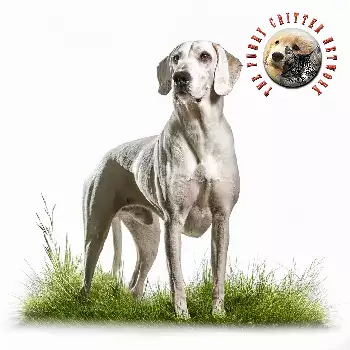
The Illyrian Hound is a medium-sized, well-proportioned scenthound that projects an image of strength, endurance, and athletic capability without appearing heavy or cumbersome. Males typically stand between 18 and 21 inches at the shoulder and weigh 40 to 49 pounds, while females are slightly smaller at 17 to 20 inches and 35 to 44 pounds. The body is slightly longer than it is tall, with a deep chest that provides ample lung capacity for sustained pursuit, a level topline, and a moderately tucked abdomen that contributes to an overall impression of functional fitness.
The head is proportional to the body, with a slightly domed skull, a well-defined stop, and a straight, moderately long muzzle that houses a large, dark nose with wide-open nostrils optimized for scent detection. The eyes are medium-sized, oval, and dark brown, set slightly obliquely to give the face an alert, intelligent expression. The ears are set at medium height, pendant in shape, rounded at the tips, and hang close to the cheeks without folding or twisting. When pulled forward, the ears should reach approximately to the corner of the mouth.
The breed's coat is its most immediately recognizable feature, consisting of a short, dense, coarse outer layer over a thick, insulating undercoat. The hallmark color pattern is a rich red or tan base with a well-defined black saddle or mantle that extends over the back and often down the sides of the body. The boundary between the red and black areas should be reasonably clear, though some blending at the margins is accepted. Small white markings on the chest may occasionally appear but are not preferred in the breed standard.
The limbs are straight, well-boned, and muscular, designed for covering rough ground with efficiency and stamina. The feet are compact and oval with well-arched toes and tough, resilient pads suited to rocky mountain terrain. The tail is set as a continuation of the topline, moderately long, carried in a gentle saber curve when the dog is in motion, and reaches approximately to the hock joint. Overall, every aspect of the Illyrian Hound's physical structure reflects its heritage as a tireless tracking dog built for demanding work in the mountainous Balkan landscape.
Affectionate With Family
★★★★☆
The Illyrian Hound forms deep, enduring bonds with its family members and thrives on close companionship within the household. While not an overtly clingy breed, this hound is genuinely devoted and will seek out its owners for quiet moments of connection after a long day afield. Historically bred to work alongside hunters in the rugged Balkan terrain, the breed developed a natural reliance on its human partners that translates into warm, steady affection in the home environment. Owners often note that the Illyrian Hound has a particularly expressive face, using soulful eyes and subtle body language to communicate its fondness for the people it considers its pack.
Good With Young Children
★★★☆☆
The Illyrian Hound can be a suitable companion for families with children, though interactions should always be supervised, particularly with very young kids. This breed is generally patient and tolerant, lacking the nervous energy that might lead to snapping, but its medium size and enthusiastic play style can be overwhelming for toddlers. The breed's hunting background means it is accustomed to working cooperatively and responding to cues, which can translate into respectful behavior around children who treat it kindly. Early socialization with children of various ages helps the Illyrian Hound understand appropriate boundaries, and teaching children to respect the dog's space during rest is equally important for a harmonious household.
Good With Other Dogs
★★★☆☆
Bred to hunt in packs across the mountainous Balkan landscape, the Illyrian Hound has a natural capacity for canine social interaction and can coexist well with other dogs, especially when raised together from a young age. However, same-sex aggression can occasionally surface, particularly among unneutered males, and introductions to unfamiliar dogs should be handled gradually and in neutral territory. The breed's pack-oriented instincts generally make it more accepting of other dogs than many hound breeds, though its strong prey drive means it may not distinguish between a small dog and potential quarry if not properly socialized. Structured socialization from puppyhood and consistent leadership from the owner help ensure the Illyrian Hound integrates smoothly into multi-dog households.
Shedding Level
★★★☆☆
The Illyrian Hound sheds moderately throughout the year, with noticeable increases during seasonal coat changes in spring and autumn. Its short, dense coat is designed to protect against the harsh weather conditions of the Balkan mountains, and that thick undercoat does release a fair amount of hair as it cycles through growth phases. Regular brushing two to three times per week can significantly reduce the amount of loose hair found around the home and on furniture. While the breed is far from the heaviest shedder, owners should be prepared for consistent, manageable hair loss and may want to keep a lint roller handy during peak shedding periods.
Coat Grooming Frequency
★★☆☆☆
One of the practical advantages of the Illyrian Hound is its low-maintenance coat, which requires only basic grooming to stay healthy and clean. A thorough brushing once or twice a week with a firm bristle brush or rubber grooming mitt is typically sufficient to remove loose hair and distribute natural skin oils across the coat. Bathing is needed only occasionally, perhaps every few months or when the dog has gotten particularly dirty from outdoor adventures. The breed's short, coarse coat naturally repels dirt and dries quickly, making it well suited to active owners who prefer a dog that does not demand extensive grooming sessions. Routine checks of the ears, nails, and teeth round out the grooming regimen.
Drooling Level
★★☆☆☆
The Illyrian Hound is not a particularly drooly breed, especially compared to many other hound varieties with looser flews and jowls. Its relatively tight lip line means that excessive drooling is uncommon during normal daily activities. Some drooling may occur around mealtimes or when the dog is anticipating food, and vigorous exercise or warm temperatures can occasionally prompt a bit of extra saliva. Overall, however, owners can expect a relatively clean experience, and the breed is unlikely to leave trails of drool on furniture or clothing. This makes the Illyrian Hound a reasonable choice for those who appreciate the hound temperament but prefer a tidier companion.
Coat Type
★★★☆☆
The Illyrian Hound sports a short, dense, and coarse double coat that evolved to provide protection in the demanding climate of the Balkan mountain ranges. The outer coat is flat-lying and rough to the touch, serving as a barrier against brush, thorns, and inclement weather encountered during hunts. Beneath this lies a thick, softer undercoat that provides insulation against cold mountain temperatures and retains warmth during harsh winters. The coat lies close to the body and accentuates the breed's muscular, athletic build. Coat color is characteristically red or tan with a distinctive black saddle or mantle pattern, and the hair is uniformly short across the body with no feathering or longer furnishings.
Openness To Strangers
★★★☆☆
The Illyrian Hound tends to be reserved but not hostile when encountering unfamiliar people, displaying a measured caution that reflects its working heritage rather than any aggressive tendency. With proper socialization from an early age, the breed can warm up to new people relatively quickly, though it is unlikely to rush up to strangers with unbridled enthusiasm. This temperament makes the Illyrian Hound a reasonable watchdog, as it will typically alert its owners to the presence of visitors without becoming reactive or fearful. Once the dog understands that a new person is welcome in the household, it will generally relax and may even seek gentle attention from the guest.
Playfulness Level
★★★☆☆
The Illyrian Hound possesses a moderate playfulness that blends well with its working drive and natural athleticism. This breed enjoys interactive games, particularly those that engage its keen nose, such as scent-based hide-and-seek or tracking exercises in the yard. It is not as boisterous or clownish as some sporting breeds, but it maintains a youthful enthusiasm for outdoor activities well into maturity. Play sessions are best when they incorporate physical exercise and mental stimulation, as the Illyrian Hound quickly loses interest in repetitive fetch games that do not challenge its intelligence. Owners who channel play into activities that mirror the breed's natural hunting instincts will find a willing and engaged participant.
Watchdog/Protective Nature
★★★★☆
The Illyrian Hound possesses a strong natural alertness and a resonant, deep voice that makes it an effective watchdog for the home. Its keen senses, honed through centuries of tracking game across rugged terrain, mean that very little escapes its notice, and it will readily vocalize to alert the household to unusual sounds or approaching visitors. While the breed is not an aggressive guardian in the manner of dedicated protection breeds, its territorial awareness and loyalty to its family provide a meaningful deterrent. The Illyrian Hound's bark is notably loud and carries well, a trait developed for communicating with hunters over long distances in the mountains. Owners should be aware that this vocal tendency requires management to prevent excessive barking in suburban or urban settings.
Adaptability Level
★★☆☆☆
The Illyrian Hound is best suited to environments that offer ample space and outdoor access, and it does not adapt particularly well to apartment living or highly confined settings. This breed was developed for active work in open, mountainous terrain, and it retains a strong need for regular exercise and the freedom to explore and use its nose. Changes in routine or environment can be stressful for the Illyrian Hound, which thrives on consistency and familiar surroundings. While it can adjust to different living situations given patience and gradual introduction, prospective owners in urban apartments or those with limited outdoor access should carefully consider whether they can meet this breed's spatial and exercise requirements before committing.
Trainability Level
★★★☆☆
The Illyrian Hound is moderately trainable, possessing the intelligence to learn commands and routines but also carrying the independent mindset characteristic of scenthound breeds. When the dog catches an interesting scent, it may become single-minded in its pursuit, temporarily tuning out handler commands in favor of following its nose. Positive reinforcement methods work best with this breed, as harsh corrections tend to produce stubbornness rather than compliance. Short, varied training sessions that incorporate scent work or tracking exercises will hold the Illyrian Hound's attention far more effectively than repetitive obedience drills. Patience and consistency are essential, and owners who understand and respect the breed's natural instincts will achieve the best training outcomes over time.