Argentinean Mastiff

Dogo Argentino

Quick Facts

🐕 Breed Group
Working Group (AKC) / Group 2 - Molossoid Breeds (FCI)
📏 Size Category
Large
📏 Height
Males: 24-27 inches (60-68 cm), Females: 24-26 inches (60-65 cm)
⚖️ Weight
Males: 88-100 pounds (40-45 kg), Females: 77-88 pounds (35-40 kg)
⏱️ Life Expectancy
9-15 years
🧣 Coat Type
Short, smooth, glossy single coat with no undercoat
🎨 Coat Colors
White only; a single dark patch around one eye is permitted but not required
😀 Temperament
Loyal, courageous, protective, affectionate with family, wary of strangers, strong-willed
🏃 Exercise Needs
High - requires substantial daily physical activity and mental stimulation
🎓 Training Difficulty
High - intelligent but dominant; requires experienced, confident handling
👶 Good with Children
Yes - protective and affectionate with family children when properly socialized
🐾 Good with Other Pets
Conditional - same-sex dog aggression common; high prey drive toward small animals

Other Names & Breed Recognition

Argentinean Mastiff is one of several English-language names applied to the Dogo Argentino, a large, powerful, all-white breed developed in Argentina for big-game hunting. The mastiff designation reflects the breed's physical type and its classification within the FCI's molossoid and mastiff-type section, though the Dogo Argentino is not descended from the English Mastiff breed specifically. Other names in common use include Argentine Dogo, Argentine Mastiff, and simply Dogo. In its home country of Argentina, the breed is universally known as the Dogo Argentino, and this is the official designation used by all major kennel clubs worldwide.

The breed's naming reflects its complex ancestry. While the word "mastiff" in the English-language alternate name points to the molosser heritage that gives the breed its massive build and powerful jaws, the Dogo Argentino is actually the product of a deliberate crossbreeding program that combined at least ten different breeds, including the now-extinct Cordoba Fighting Dog, Great Dane, Boxer, Bull Terrier, Spanish Mastiff, Pyrenean Mastiff, Irish Wolfhound, Pointer, and Dogue de Bordeaux. The result is a dog that embodies mastiff power and presence while possessing athletic capability and endurance that exceed what most traditional mastiff breeds can deliver.

Formal recognition of the breed has expanded significantly over the past several decades. The Argentine Kennel Club, the Federacion Cinologica Argentina, recognized the breed in 1964. The FCI granted international recognition in 1973, classifying the breed in Group 2 under Section 2.1 as a mastiff type within the Pinscher and Schnauzer, Molossoid and Swiss Mountain and Cattle Dogs category. The United Kennel Club recognized the breed in 2001, placing it in the Guardian Dog Group. Most recently, the American Kennel Club granted full recognition in January 2020, classifying the Dogo Argentino in the Working Group, making it one of the newest AKC-recognized breeds.

The breed's legal status varies dramatically by jurisdiction and represents a significant practical consideration for ownership. The Dogo Argentino is banned outright under the United Kingdom's Dangerous Dogs Act of 1991, alongside the Fila Brasileiro and Japanese Tosa. Several Australian states, multiple European countries, and various municipalities across North America have enacted breed-specific legislation that either bans or restricts ownership. Prospective owners must research local and national laws thoroughly before acquiring the breed, as legal consequences for prohibited ownership can be severe.

Argentinean Mastiff Organizations & Standards

The Dogo Argentino Club of America serves as the AKC parent club for the breed in the United States, having shepherded the breed through the lengthy process from Foundation Stock Service listing to full AKC recognition in 2020. The club maintains the official AKC breed standard, promotes responsible breeding through its Code of Ethics, coordinates national and regional specialty shows, and provides educational resources for owners and breeders. Club members committed to the Code of Ethics agree to conduct health testing including BAER hearing evaluation, hip screening, and cardiac assessment before breeding, and to provide lifelong support for dogs they produce.

The AKC breed standard describes the Dogo Argentino as a large, white, short-coated dog with a smooth, muscular body, displaying both power and athletic ability. The standard specifies males standing 24 to 27 inches at the shoulder and females 24 to 26 inches, with weight proportional to height, typically falling between 80 and 100 pounds. The head is described as powerful with a broad skull, well-defined stop, and strong muzzle approximately equal in length to the skull. The standard mandates an entirely white coat, permitting only one dark-colored patch on the skull, which may cover one eye. The nose must be black, and the eyes dark brown or hazel. The ears may be cropped or natural, with natural ears preferred in the current standard.

The FCI standard, established in collaboration with the Argentine Kennel Club as the breed's country of origin, provides the definitive international description. The FCI standard specifies slightly more precise proportional requirements, including a body length to height ratio that produces a slightly off-square silhouette, and detailed head proportions requiring the muzzle to be the same length as the skull. The standard emphasizes that the breed should convey the impression of power and energy without coarseness, and specifies a gait that is free, effortless, and ground-covering with strong rear drive.

Health testing protocols for responsible breeding have become increasingly formalized as the breed has gained AKC recognition. The recommended health tests include BAER hearing evaluation at five to six weeks of age to identify congenital deafness, OFA or PennHIP hip evaluation to assess hip joint integrity, cardiac examination by a board-certified veterinary cardiologist, and thyroid function testing. The breed does not yet have a formal CHIC protocol through OFA, but the Dogo Argentino Club of America actively promotes comprehensive health testing and publishes resources to help breeders make informed breeding decisions.

Kennel Club Recognition

  • American Kennel Club (AKC): Recognized in 2020, Working Group
  • FCI: Recognized in 1973, Group 2 - Pinscher and Schnauzer
  • United Kennel Club (UKC): Recognized in 2001, Guardian Dog Group
  • Canadian Kennel Club (CKC): Recognized, Working Dogs

Argentinean Mastiff Physical Description

The Argentinean Mastiff is a large, powerfully built dog that combines substantial bone and muscle mass with the athletic proportions of a working hunter. Males typically stand 24 to 27 inches at the shoulder and weigh between 88 and 100 pounds, while females stand 24 to 26 inches and weigh between 77 and 88 pounds. The body is solidly built, slightly longer than tall, with a broad, deep chest, well-sprung ribs, and a muscular loin that supports the explosive power needed for confronting large game. The overall impression should be one of harmonious balance: powerful without coarseness, muscular without heaviness, athletic without appearing racy.

The head is the breed's most distinctive anatomical feature and a primary point of breed type evaluation. It is massive, convex in profile, with a broad skull and pronounced cheek muscles that give the head its characteristic width and power when viewed from the front. The stop is well defined, and the muzzle is slightly concave along its upper line, approximately equal in length to the skull, and terminates in a large black nose with wide-open nostrils. The jaws are strong and well-aligned in a scissors bite, with a unique dental arch that appears more square than round when the mouth is closed. The eyes are set well apart, dark brown or hazel, almond-shaped, and carry an alert, intelligent expression. The ears are traditionally cropped to an erect, triangular shape, though natural ears, which fold forward and to the sides, are increasingly preferred in many countries.

The defining physical characteristic of the breed is its all-white coat. The coat is short, smooth, glossy, and close-fitting, with no undercoat. This single-layer coat was deliberately selected through the breeding program for two practical purposes: the white coloration distinguishes the dog from dark-colored quarry during hunts, allowing hunters to identify their dogs at a distance, and the light color reflects solar heat rather than absorbing it, an advantage in the warm Argentine climate. The standard permits only one dark-colored patch on the skull, which may cover one eye, this marking often called a "pirate patch." All other body areas must be entirely white, and any colored markings elsewhere constitute a disqualification.

Movement is athletic, efficient, and ground-covering, reflecting the breed's dual heritage as both a pursuit hunter and a holding dog that must physically engage dangerous game. The gait at a trot is balanced and free, with good reach in front and strong drive behind. At full speed, the breed demonstrates remarkable acceleration and agility for its size, capable of sudden directional changes and explosive bursts that were essential for cornering boar and puma in dense terrain. The feet are round, compact, and well-padded, providing traction on the rocky, brushy ground of the Argentine pampas and mountains. The tail is thick at the base, tapering, and set moderately low, carried naturally in a gentle upward curve during movement.

Affectionate With Family
The Argentinean Mastiff forms intense, devoted bonds with its family and demonstrates its affection through physical closeness, attentive behavior, and a desire to be included in all household activities. Despite its formidable size and power, this breed is remarkably gentle and emotionally connected with the people it considers its own, often leaning its considerable weight against family members and seeking contact with an almost lap-dog-like insistence.
Good With Young Children
The Argentinean Mastiff is generally patient and protective with children in its own family, often developing a strong guardian bond with the youngest household members. However, the breed's sheer size and strength require constant supervision during interactions with small children, as the dog can easily knock over a toddler without any aggressive intent. Children should be taught to respect the dog's space, and interactions with visiting children require particular vigilance due to the breed's protective instincts.
Good With Other Dogs
Same-sex dog aggression is a well-documented trait in the breed, rooted in its origins as a pack hunter of large, dangerous game. While the Dogo was bred to work cooperatively with other dogs during hunts, that cooperation was directed and controlled, and unsupervised interactions with unfamiliar dogs can produce serious conflicts. Careful socialization from puppyhood, responsible management in multi-dog settings, and avoiding dog parks are standard recommendations for this breed.
Shedding Level
The short, single coat sheds moderately year-round, with noticeable increases during seasonal transitions. The white hair is particularly visible on dark clothing and furniture despite its short length. Regular brushing with a rubber curry brush or hound glove once or twice weekly keeps loose hair manageable and reduces the amount deposited around the home.
Coat Grooming Frequency
The Argentinean Mastiff is among the lowest-maintenance breeds in terms of coat care. The short, smooth coat requires only weekly brushing to remove loose hair and an occasional bath when the dog gets genuinely dirty. There is no trimming, stripping, or professional grooming needed, making the breed exceptionally practical for owners who prefer minimal grooming commitment.
Drooling Level
The Argentinean Mastiff is not a heavy drooler by mastiff-type breed standards, though some individuals may produce moderate drool around mealtimes, during exercise, or in hot weather. The breed's relatively tight lip structure compared to breeds like the Mastiff or Saint Bernard keeps drool contained under most circumstances, and owners will not typically find wet spots on furniture from normal daily contact.
Coat Type
The single-layer coat is short, smooth, glossy, and close-fitting, with no undercoat. This practical coat evolved for a working dog operating in the warm climate of central Argentina and provides minimal insulation against cold temperatures. The white coloration was deliberately selected to distinguish the dog from quarry during hunts and to reflect rather than absorb solar heat.
Openness To Strangers
The Argentinean Mastiff is characteristically reserved and watchful with unfamiliar people, maintaining a calm but alert posture while assessing whether a stranger represents a threat. This wariness is a core breed trait developed through its guardian heritage and is not a socialization failure. Well-socialized individuals learn to accept introduced guests with composed tolerance, but the breed will never become the indiscriminate greeter that a Labrador Retriever naturally is.
Playfulness Level
The Argentinean Mastiff retains a playful streak through adulthood, enjoying interactive games, ball play, and rough-and-tumble sessions with family members. However, the breed's play style reflects its power and intensity, and play sessions can escalate quickly if not managed by an experienced handler. The breed generally mellows with maturity, transitioning from the exuberant play drive of puppyhood to a calmer, more dignified engagement with favored activities.
Watchdog/Protective Nature
The Argentinean Mastiff is one of the most naturally protective breeds in existence, combining formidable physical capability with heightened situational awareness and an unshakeable commitment to defending its family. The breed assesses threats independently and responds with a graduated intensity that ranges from alert observation to physical confrontation when it determines that action is required. This protective instinct demands responsible ownership, thorough socialization, and ongoing training to ensure the dog's responses remain proportional and under control.
Adaptability Level
The Argentinean Mastiff requires substantial space, significant exercise, experienced handling, and a stable home environment to thrive. Apartment living is poorly suited to this breed, and breed-specific legislation in numerous jurisdictions creates practical and legal obstacles for owners. The breed does not tolerate extreme cold well due to its single coat and fair skin, and it is sensitive to prolonged sun exposure. Changes in routine, household composition, or living situation can produce stress responses in a breed that values stability and consistency.
Trainability Level
The Argentinean Mastiff is intelligent, capable of learning complex commands, and responds well to confident, consistent handling. However, the breed's strong-willed temperament and independent decision-making ability mean it will test boundaries and challenge handlers who lack clarity and consistency. Positive reinforcement methods are essential, as harsh corrections can trigger defensive responses in a dog of this size and temperament. This is not a breed for novice owners or for anyone uncomfortable establishing clear, calm leadership.
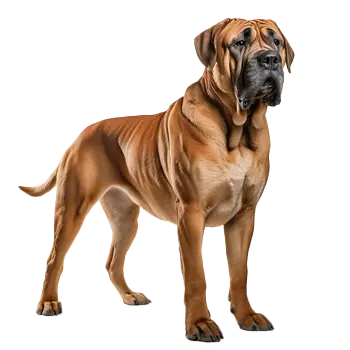

Argentinean Mastiff History & Development

The Argentinean Mastiff has one of the most precisely documented creation histories of any dog breed, originating in 1928 when Dr. Antonio Nores Martinez, an eighteen-year-old medical student in Cordoba, Argentina, began a systematic breeding program to produce the ideal big-game hunting dog. Nores Martinez's vision was specific: he wanted a dog with the courage and fighting spirit of the local Cordoba Fighting Dog, combined with greater size, improved scenting ability, cooperative pack behavior, and a temperament stable enough for the dog to serve as a family companion when not hunting. This ambitious program would ultimately span decades and involve the crossing of at least ten distinct breeds.

The foundation of the breeding program was the Viejo Perro de Pelea Cordobes, the Old Fighting Dog of Cordoba, a now-extinct breed of extraordinary courage and tenacity that was widely used in the fighting pits of central Argentina. The Cordoba dog provided the base temperament and physical toughness that Nores Martinez sought, but it had critical limitations: extreme dog aggression that made pack hunting impossible, insufficient scenting ability, and a lack of the size needed for confronting large game. To address these shortcomings, Nores Martinez systematically introduced other breeds. The Pointer contributed enhanced scenting capability. The Great Dane added height and reach. The Bull Terrier provided the white coat coloration that would become the breed's hallmark. The Pyrenean Mastiff imparted a calmer, more stable temperament. The Boxer contributed tractability and agility. The English Bulldog strengthened the jaw. The Irish Wolfhound added size and speed. The Spanish Mastiff provided power and substance, while the Dogue de Bordeaux added additional jaw strength.

Nores Martinez wrote the first breed standard in 1928, accompanied by his own drawings of the ideal type. By the twelfth generation, the dogs were breeding true to type, producing consistent litters of large, white, athletic dogs with strong hunting instincts and sufficient temperamental stability to work cooperatively in packs. The breed gained national attention when Nores Martinez publicly demonstrated his dogs against boar and puma, proving their effectiveness as big-game hunters. He presented the breed to the Club de Cazadores (Hunters' Club) of Buenos Aires in 1947, and a breed standard was published in the magazine Diana in 1948.

The breed's trajectory took a tragic turn when Antonio Nores Martinez was murdered in 1956 during a hunting trip. His brother Agustin Nores Martinez, who had been instrumental in the breeding program, continued the work of promoting and preserving the breed. Agustin's career as an Argentine diplomat, serving as ambassador to Canada among other posts, provided opportunities to introduce the Dogo Argentino to international audiences during his travels. The Argentine Kennel Club recognized the breed in 1964, and the FCI followed in 1973. The breed gradually established footholds in Europe and North America, though its progress was complicated by breed-specific legislation in several countries and by the unfortunate association with dog fighting that tainted public perception in some markets.

Argentinean Mastiff Temperament & Personality

The Argentinean Mastiff possesses a temperament of unusual complexity, combining intense family devotion with powerful protective instincts and a predatory drive that was deliberately bred to confront some of South America's most dangerous game animals. Understanding this temperament requires appreciating that the breed was designed to perform two fundamentally different jobs: to hunt large, dangerous game with courage and physical intensity, and to return home and integrate peacefully into the family household. The breed's dual nature is its most remarkable and its most demanding characteristic.

With its own family, the Argentinean Mastiff is deeply affectionate, loyal, and emotionally demonstrative. The breed forms powerful bonds with all household members and shows particular tenderness toward children, whom it often treats with a protective gentleness that surprises people unfamiliar with the breed. The dog's physical expressiveness, including leaning against family members, seeking lap contact despite its considerable size, and maintaining close proximity during household activities, reflects a genuine emotional attachment that goes beyond mere tolerance. This family devotion is one of the breed's most appealing qualities and the characteristic that most effectively counterbalances its formidable physical capabilities.

The breed's relationship with strangers is characteristically reserved and watchful. The Argentinean Mastiff does not rush to greet unfamiliar people and maintains a vigilant assessment of newcomers until it determines, either through its own evaluation or through signals from its owner, that the stranger is welcome. This wariness is a core breed trait, bred into the dog through its guardian heritage, and is not a socialization failure. Well-socialized individuals learn to accept introduced guests with composed tolerance, but the breed never becomes effusively friendly with people it does not know well. Extensive socialization from puppyhood, involving positive exposure to diverse people, environments, and situations, helps ensure that the dog's natural caution does not become problematic reactivity.

The breed's relationship with other animals requires honest assessment and responsible management. Same-sex dog aggression is common and deeply rooted in the breed's heritage, though the Dogo Argentino was designed to work cooperatively in packs during hunts, suggesting that the dog can coexist with other dogs under appropriate management. The key distinction is between controlled working cooperation and the unstructured social dynamics of a dog park or casual neighborhood walk. Prey drive toward small animals including cats, rabbits, and other small pets is high and may be unmanageable regardless of socialization. Households with existing small pets should approach this breed with extreme caution.

The breed's intelligence and problem-solving ability are substantial, contributing both to its trainability and to the challenges it presents. The Argentinean Mastiff thinks independently, assesses situations on its own terms, and makes autonomous decisions about appropriate responses. This independent cognitive style was essential for a dog that had to make split-second decisions when confronting a puma or cornering a boar, but it also means the dog will evaluate commands against its own judgment before deciding to comply. Experienced owners who understand and respect this intelligence find it one of the breed's most fascinating qualities. Inexperienced owners who expect automatic obedience find it frustrating and potentially dangerous.

Argentinean Mastiff Family Life & Living Requirements

The Argentinean Mastiff requires a living environment that accommodates its size, energy level, protective instincts, and need for ongoing management by an experienced handler. This is not a breed that can be casually integrated into any household. Prospective owners should evaluate their situation with rigorous honesty, as the consequences of mismatching this breed to an inappropriate home can be serious for the dog, the family, and the community. The ideal owner is confident, experienced with large, strong-willed breeds, physically capable of controlling a powerful dog, and committed to the ongoing training and socialization that the breed requires throughout its life.

Housing considerations begin with space. The breed needs a home with a securely fenced yard where it can exercise and patrol. Fencing should be a minimum of six feet in height, solidly constructed from materials that the dog cannot break through or climb, and buried or reinforced at the base to prevent digging under. Gates must be secured with locks rather than simple latches. The breed's intelligence and determination mean that it will test boundary integrity and exploit any weakness in containment. Apartment living is poorly suited to this breed, both for practical reasons of space and exercise and because the breed's protective barking and territorial behavior create challenges in shared living environments.

Breed-specific legislation represents a significant practical consideration that must be researched before acquisition. The Dogo Argentino is banned in the United Kingdom, several Australian states, multiple European countries, and various municipalities across North America. Even in jurisdictions where the breed is not banned, homeowner and renter insurance policies frequently exclude the breed or impose substantial surcharges. These legal and insurance realities affect daily life in concrete ways: finding rental housing, maintaining insurance coverage, and traveling with the dog all require advance planning and may involve significant limitations or additional costs.

The breed's relationship with children in its own household is generally positive, characterized by the protective tenderness that well-bred Dogos show toward the youngest family members. However, the interaction between the breed's protective instincts and the presence of visiting children requires careful management. A Dogo that perceives rough play between its own children and a visiting child as a threat may intervene protectively, and a dog of this size and strength intervening physically in children's activities creates obvious risk. All interactions between the dog and children, whether family members or visitors, should be supervised by an adult who can redirect the dog's behavior if necessary.

Argentinean Mastiff Training & Exercise Needs

Training the Argentinean Mastiff is a non-negotiable commitment that begins the day the puppy enters the home and continues throughout the dog's life. The breed's combination of size, strength, intelligence, and independent temperament means that an untrained or poorly trained Dogo presents genuine risks to its household and community. Conversely, a well-trained Dogo that has been socialized extensively and handled by a confident, consistent owner is an impressive, reliable companion that demonstrates the best qualities the breed has to offer. The difference between these outcomes rests entirely on the owner's commitment to training.

Positive reinforcement methods are essential for this breed. The Argentinean Mastiff responds to confident, fair leadership that rewards desired behavior rather than punishing undesired behavior. Harsh corrections, physical punishment, and confrontational training methods are counterproductive and potentially dangerous with a breed that possesses the physical capacity to resist and the temperamental tendency to challenge handlers who use force. The breed respects consistency and clarity; it loses respect for handlers who are unpredictable, emotionally reactive, or inconsistent in their expectations. Reward-based training builds the cooperative relationship that makes living with this breed enjoyable and safe.

Socialization is the single most critical training component for the breed and cannot be overemphasized. The window between eight and sixteen weeks of age is particularly valuable for exposing the puppy to diverse people, environments, sounds, surfaces, animals, and situations. Given the breed's natural wariness of strangers and potential for dog-directed aggression, socialization must be conducted thoughtfully, ensuring positive experiences rather than merely exposing the puppy to stimuli. Puppy socialization classes conducted by trainers experienced with molosser and guardian breeds are especially valuable. Socialization must continue throughout the dog's first two to three years, as the breed's temperament continues to develop and mature during this extended period.

Exercise requirements are high and must include both physical activity and mental stimulation. The breed benefits from at least 60 to 90 minutes of vigorous daily exercise, which can include structured walks, jogging, hiking, and interactive play sessions. The breed excels in several canine sports including weight pulling, agility, obedience trials, scent work, and dock diving, all of which provide physical challenge and mental engagement. The breed's hunting heritage makes it a natural candidate for scent work and tracking exercises that engage its impressive olfactory capabilities. Under-exercised Dogos become restless, destructive, and increasingly difficult to manage, as the physical energy intended for pursuing boar across Argentine grasslands has no constructive outlet.

Argentinean Mastiff Health Concerns

The Argentinean Mastiff is a generally robust breed that benefits from its heritage as a purpose-bred working dog selected for physical stamina and functional soundness. Dogs that could not perform demanding hunting work in challenging terrain were not continued in breeding programs, creating a natural selection pressure against debilitating hereditary conditions. However, the breed carries several health concerns, some unique to its genetics and others common to large molosser-type breeds, that prospective owners and breeders must understand and manage proactively.

Pigment-related deafness is the breed's most significant and distinctive health concern. The white coat that defines the breed's appearance is associated with a genetic mechanism that can affect melanocyte development in the inner ear, leading to cochlear degeneration and hearing loss. Studies have reported deafness rates ranging from approximately 10 to 25 percent of dogs, with bilateral deafness (total deafness in both ears) representing a smaller subset. Dogs with the breed's allowable dark eye patch show significantly lower deafness rates than fully white individuals, suggesting that the presence of pigmented areas indicates sufficient melanocyte activity to protect inner ear structures. BAER testing at approximately five weeks of age is the gold standard for detecting the condition, and reputable breeders test every puppy before placement.

Hip dysplasia is a major orthopedic concern in any large breed, and the Argentinean Mastiff is no exception. The condition involves abnormal development of the hip joint, producing a poor fit between the femoral head and the acetabulum that leads to progressive cartilage deterioration, chronic pain, and arthritis. Environmental factors including rapid growth during puppyhood, excessive exercise on developing joints, and chronic obesity all compound genetic predispositions. Puppies should be raised on large-breed specific growth formulas that moderate the rate of skeletal development, and breeding stock should be screened through OFA or PennHIP radiographic evaluation.

Gastric dilatation-volvulus represents the most acute life-threatening condition relevant to this breed. The Argentinean Mastiff's large size and deep chest conformation place it firmly in the high-risk category for this emergency, in which the stomach fills with gas and may rotate, cutting off blood supply to vital organs. Without immediate veterinary intervention, bloat is rapidly fatal. Prevention through feeding management, including dividing daily food into multiple smaller meals, using slow-feeder bowls, and enforcing rest periods after eating, is essential. Prophylactic gastropexy, a surgical procedure that anchors the stomach to prevent torsion, is increasingly recommended and can be performed during routine spay or neuter surgery.

Additional health concerns documented in the breed include hypothyroidism, laryngeal paralysis in older dogs, glaucoma, and skin sensitivities related to the breed's white coat and relatively unpigmented skin. Sun exposure management is a daily consideration for owners, as the breed's fair skin burns readily and chronic sun damage may contribute to skin pathology over time. Regular veterinary care, preventive health screening, appropriate nutrition, and responsible breeding practices informed by health testing collectively support the breed's potential lifespan of nine to fifteen years.

Common Health Issues

  • Pigment-related deafness - Congenital deafness affecting one or both ears is the breed's most significant hereditary health concern, linked to the white coat coloration and affecting up to 10-25 percent of dogs depending on the study cited. The condition results from a lack of melanocytes in the inner ear's stria vascularis, causing cochlear degeneration. BAER (Brainstem Auditory Evoked Response) testing at approximately five weeks of age reliably identifies affected puppies. Dogs with pigmented patches, particularly the allowable dark eye patch, show lower deafness rates than fully white individuals.
  • Hip dysplasia - Abnormal development of the hip joint producing progressive cartilage deterioration, chronic pain, and arthritis is a significant concern in this large breed. Environmental factors including rapid growth during puppyhood, excessive exercise on developing joints, and obesity exacerbate genetic predispositions. OFA or PennHIP radiographic screening of breeding stock is essential, and puppies should be raised on large-breed specific growth formulas that moderate growth rate.
  • Hypothyroidism - Underactive thyroid function producing decreased hormone levels that cause weight gain, lethargy, coat changes, skin infections, and increased susceptibility to ear infections. The condition is readily diagnosed through blood testing and effectively managed with daily thyroid hormone replacement medication. Regular thyroid panels are recommended for all dogs in the breed.
  • Gastric dilatation-volvulus (bloat) - A life-threatening emergency in which the stomach fills with gas and may rotate on its axis, cutting off blood supply to vital organs. The breed's large size and deep chest place it in the high-risk category. Feeding multiple smaller meals, using slow-feeder bowls, and avoiding vigorous exercise around mealtimes reduce risk. Prophylactic gastropexy during spay or neuter surgery is increasingly recommended.
  • Laryngeal paralysis - Progressive paralysis of the nerves controlling the laryngeal cartilages, causing noisy breathing, exercise intolerance, voice changes, and in severe cases dangerous airway obstruction. The condition typically develops in older dogs and can range from mild respiratory noise to emergency breathing difficulty. Surgical correction is available for severe cases.
  • Skin allergies and sun sensitivity - The breed's white coat and relatively unpigmented skin create elevated susceptibility to sunburn, environmental allergies, and contact dermatitis. Prolonged sun exposure can produce painful burns on the nose, ears, and other thinly haired areas, and chronic sun damage may contribute to skin cancer risk over time. Dog-safe sunscreen and limiting midday outdoor exposure are standard preventive measures.

Preventive Care & Health Monitoring

  • BAER hearing test for all puppies at five to six weeks of age - Brainstem Auditory Evoked Response testing is the only reliable method for detecting unilateral or bilateral deafness in puppies. All reputable breeders should provide BAER test documentation for every puppy before placement. Dogs with bilateral deafness require specialized management.
  • OFA or PennHIP hip evaluation for all breeding stock - Radiographic screening of both hips should be performed at age two or older, with results submitted to OFA. PennHIP evaluation offers an alternative that can be performed at an earlier age. Only dogs with acceptable scores should be used for breeding.
  • Cardiac evaluation by a board-certified veterinary cardiologist - Echocardiographic screening is recommended for breeding animals to detect structural cardiac abnormalities. Annual cardiac auscultation should be included in routine veterinary examinations for all dogs in the breed.
  • Annual thyroid panel - Regular thyroid function testing helps detect hypothyroidism early, when treatment is most straightforward. Baseline testing at age two with periodic retesting is recommended, particularly for dogs showing weight gain, lethargy, or coat changes.
  • Sun protection protocol for unpigmented skin areas - Apply dog-safe broad-spectrum sunscreen to the nose, ear tips, and other lightly pigmented areas before outdoor activity during daylight hours. Limit direct sun exposure during peak ultraviolet hours, and provide shaded areas in yards and outdoor spaces.
  • Bloat prevention feeding protocol - Feed two to three smaller meals daily rather than one large meal. Use slow-feeder bowls to prevent rapid eating. Enforce a rest period of at least one hour after meals before allowing vigorous activity. Discuss prophylactic gastropexy with your veterinarian, particularly during planned spay or neuter surgery.

Argentinean Mastiff Grooming & Maintenance

The Argentinean Mastiff is among the most low-maintenance breeds in terms of coat grooming, a practical advantage for a large, active working dog. The short, smooth, single-layer coat requires only weekly brushing with a rubber curry brush, grooming mitt, or soft bristle brush to remove loose hair and distribute natural skin oils. This brief weekly session also provides an opportunity to inspect the skin for cuts, bumps, parasites, sunburn, and other abnormalities that might require attention. During seasonal shedding increases, typically in spring and fall, increasing brushing frequency to two or three times weekly helps manage the temporary uptick in loose white hair.

Bathing should be infrequent, typically every six to eight weeks or as needed when the dog gets genuinely dirty. The breed's short coat dries quickly and does not retain debris the way longer coats do, making post-activity cleanup straightforward. When bathing is necessary, a mild, hypoallergenic dog shampoo is recommended to avoid irritating the breed's sometimes sensitive skin. Over-bathing strips the coat's natural protective oils and can exacerbate dry skin conditions. For dogs with skin allergies or sensitivities, a veterinary-recommended medicated shampoo may be substituted.

Sun protection is a grooming and maintenance consideration unique to this breed and other white-coated, lightly pigmented dogs. Before outdoor activity during daylight hours, dog-safe sunscreen should be applied to the nose, ear tips, eyelids, and any other areas of thinly haired or unpigmented skin. Protective sun shirts designed for dogs provide additional coverage for dogs spending extended time outdoors. In hot climates, scheduling outdoor activity for early morning and evening hours avoids peak ultraviolet exposure. The breed's lack of an undercoat provides minimal insulation against both heat and cold, making temperature management an ongoing consideration: the dog needs shade and water access in summer and protective clothing in winter cold.

Dental care follows standard recommendations: regular brushing with enzymatic dog toothpaste, ideally daily or at minimum several times weekly, supplemented by appropriate dental chews and periodic professional cleaning under anesthesia. The breed's powerful jaws and enthusiasm for chewing make providing durable, appropriate chew items both a dental health measure and an enrichment necessity; inadequate chewing options lead to destructive behavior directed at household items. Nail trimming should occur every two to three weeks or as needed based on natural wear. Ear care is straightforward in dogs with natural, uncropped ears: weekly inspection for redness, odor, or discharge, followed by gentle cleaning with a veterinarian-approved ear solution when needed. Cropped ears require less cleaning attention due to improved air circulation but should still be inspected regularly.