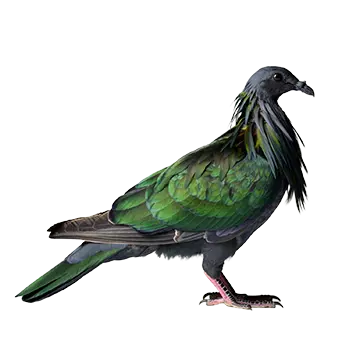
Nicobar Pigeons are granivorous and frugivorous by nature, with diets in the wild consisting primarily of seeds, nuts, fruits, and berries found on the forest floor. Their powerful bills allow them to crack and consume seeds too hard for most other pigeons, including palm nuts and hard-shelled seeds that form important parts of their natural diet. Understanding this natural diet informs appropriate captive nutrition that maintains health while preventing obesity and nutritional imbalances.
In captivity, the base diet should consist of a high-quality pigeon and dove seed mix, though standard mixes may need modification. Appropriate mixes include various grains such as wheat, corn, milo, safflower, and sunflower seeds, combined with smaller seeds like millet. Raw or cooked legumes including peas, beans, and lentils provide protein and variety. Avoid mixes containing excessive amounts of high-fat seeds like peanuts or high-oil sunflower, as captive birds have lower energy needs than wild counterparts and can become obese.
Pellets formulated for pigeons can supplement the diet, comprising about 20 to 30 percent of daily intake. Choose pellets designed for pigeons rather than parrots, as nutritional requirements differ. Not all Nicobar Pigeons readily accept pellets, so gradual introduction mixed with preferred seeds works best. Some individuals never accept pellets, which is acceptable if the rest of the diet is properly balanced.
Fresh fruits and vegetables should be offered daily, comprising about 20 percent of the diet. Suitable options include chopped greens like romaine lettuce, kale, and dandelion greens, along with vegetables such as corn, peas, carrots, and green beans. Fruits like berries, chopped apple, pear, and tropical fruits provide variety. Wash all produce thoroughly and remove uneaten portions after several hours to prevent spoilage. Some Nicobar Pigeons are picky about produce initially but will often accept it with patient, repeated offerings.
Calcium supplementation is particularly important for females during breeding season. Provide oyster shell, crushed cuttlebone, or calcium grit in a separate dish, allowing birds to self-regulate intake. Breeding females may consume substantial amounts before and during egg laying. Grit assists with digestion in the gizzard, particularly for birds consuming whole seeds. Provide appropriately sized pigeon grit in a separate container.
Protein needs increase during breeding and molting periods. Offer additional protein sources such as cooked egg, small amounts of cooked chicken, or mealworms during these times. However, protein should not exceed appropriate levels, as excess can cause health problems. Most birds obtain sufficient protein from seeds and legumes without additional supplementation outside breeding season.
Foods to avoid include avocado, chocolate, caffeine, alcohol, high-salt processed foods, and anything moldy or spoiled. Avoid feeding bread, as it provides minimal nutrition and may cause crop problems. Raw beans are toxic and must be cooked thoroughly before offering. Onions and garlic should be avoided.
Water must be available at all times in clean, shallow containers changed at least twice daily. Nicobar Pigeons will bathe in water dishes, necessitating frequent water changes. Provide both drinking water and a separate shallow bathing dish, as they enjoy bathing and it supports feather condition. Monitor water consumption as changes can indicate health problems.
Foraging enrichment is essential for psychological well-being and preventing obesity. Rather than providing all food in bowls, scatter feed throughout the enclosure substrate, encouraging natural scratching and searching behaviors. Hide particularly favored foods, creating foraging challenges. Use puzzle feeders or containers requiring manipulation to access food. This mental stimulation is as important as the physical activity, helping maintain healthy weight and preventing boredom-related behavioral problems.