Canary-Winged Parakeet Species Guide - Furry Critter Network

Canary-Winged Parakeet

Quick Facts

🔬 Scientific Name
Brotogeris versicolurus
📊 Care Level
Moderate
😊 Temperament
Active, Social, Playful
📏 Adult Size
8-9 inches
⏱️ Lifespan
15-20 years
🔊 Noise Level
Moderate
🗣️ Talking Ability
Limited
🍽️ Diet Type
Pellet-based
🌍 Origin
South America (Amazon Basin)
🏠 Min Cage Size
18x18x24 inches
📐 Size
Small

Canary-Winged Parakeet - Names & Recognition

The Canary-Winged Parakeet is scientifically known as Brotogeris versicolurus, belonging to the genus Brotogeris within the family Psittacidae. This species is commonly referred to by several alternative names, most notably the White-Winged Parakeet, which has become increasingly popular in recent avicultural literature. The common name "Canary-Winged" refers to the distinctive yellow patches visible on the wings during flight, though this can sometimes cause confusion with other yellow-marked species.

In different regions and languages, this species is known by various names. In South America, where the species is native, it may be called "Periquito de Ala Amarilla" in Spanish-speaking countries or "Periquito-de-asa-branca" in Brazil. Historically, some older ornithological texts referred to the species as the Yellow-Winged Parakeet, though this name has largely fallen out of use to avoid confusion with other Brotogeris species.

The genus name Brotogeris is derived from Greek, meaning "neighbor" or "nearby," while the species name versicolurus combines Latin roots meaning "of changing colors," likely referring to the subtle variations in the bird's plumage. Within the Brotogeris genus, which contains eight recognized species, the Canary-Winged Parakeet is one of the larger members. There are no officially recognized subspecies, though some regional variations in coloration intensity have been noted by field researchers. The species is closely related to the Grey-Cheeked Parakeet (Brotogeris pyrrhoptera) and the Tui Parakeet (Brotogeris sanctithomae), sharing similar ecological niches and behavioral patterns in their overlapping ranges.

Canary-Winged Parakeet Physical Description

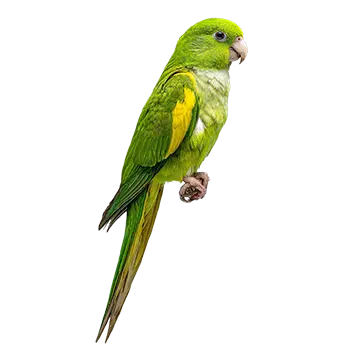
The Canary-Winged Parakeet is a small, slender parrot measuring approximately 8 to 9 inches in length from beak to tail tip, with a weight range of 60 to 70 grams. The species presents a predominantly bright green plumage that covers most of the body, creating an eye-catching appearance that helps these birds blend into their natural rainforest canopy habitat. The green coloration varies slightly in intensity across different body regions, with the upperparts typically displaying a richer, more vibrant green compared to the slightly paler underparts.

The most distinctive and namesake feature of this species is the striking yellow or golden-yellow coloring on the secondary flight feathers, which becomes prominently visible when the bird extends its wings during flight or stretching. This yellow wing patch, sometimes appearing almost canary-like in its brilliance, provides a beautiful contrast against the green body plumage. Some individuals also display small amounts of white on the primary flight feathers, which has led to the alternative common name of White-Winged Parakeet. The forewing coverts often show a blue-grey wash, adding another subtle color dimension to the wing pattern.

The head features a rounded appearance with relatively large, dark brown eyes that give the bird an alert, intelligent expression. The beak is horn-colored to pale grey, relatively short and stout as typical of parrots, designed for cracking seeds and manipulating food items. The feet and legs are grey to pinkish-grey with zygodactyl toe arrangement characteristic of parrots. The tail is relatively short and wedge-shaped, predominantly green with some individuals showing blue-tinted tail feathers.

Sexual dimorphism in Canary-Winged Parakeets is minimal to absent, making visual sex determination extremely difficult without DNA testing or surgical sexing. Males and females appear virtually identical in plumage coloration, size, and physical features. Juvenile birds resemble adults but typically display duller green plumage with less pronounced yellow wing patches. The yellow coloring intensifies as the birds mature, usually reaching full adult coloration by six to eight months of age. Color mutations are not commonly available in captivity, as this species has not been as extensively bred as more popular pet parrots like budgerigars or cockatiels.

Affection Level
Canary-Winged Parakeets are affectionate with their bonded humans and enjoy physical contact. They often seek out petting sessions and will snuggle close to their owners. Hand-raised individuals form particularly strong bonds and thrive on daily interaction and gentle handling from their families.
Sociability
These parakeets are highly social birds that naturally live in flocks. They require significant daily interaction and do exceptionally well in pairs or small groups. Single birds need extensive human companionship to prevent loneliness. They enjoy being part of household activities and observing family routines.
Vocalization
Canary-Winged Parakeets produce moderate noise levels with cheerful chirping and chattering throughout the day. They can be vocal, especially during morning and evening hours. While not screaming birds, their constant chatter may be noticeable. Their vocalizations are generally pleasant but persistent in nature.
Intelligence
These parakeets demonstrate moderate intelligence with good problem-solving abilities for their size. They can learn simple tricks, navigate puzzle toys, and understand daily routines. While not as cognitively complex as larger parrots, they show curiosity and adaptability in their environment.
Exercise Needs
Canary-Winged Parakeets are extremely active birds requiring extensive daily exercise. They need several hours of out-of-cage flight time in a safe, bird-proofed space. These energetic birds love climbing, swinging, and exploring. Insufficient exercise can lead to behavioral problems and obesity.
Maintenance Level
These parakeets require moderate maintenance with daily cage cleaning due to their active feeding habits. They create moderate mess from food debris and droppings. Regular nail trims, occasional baths, and daily food and water changes are necessary. Their small size makes handling easier than larger species.
Trainability
Canary-Winged Parakeets respond moderately well to training with patience and positive reinforcement. They can learn to step up, recall to hand, and perform simple behaviors. Training sessions should be short and engaging. Their active nature can make focus challenging, but consistency yields results.
Independence
These parakeets have low independence and strongly prefer constant companionship, whether from other birds or humans. They can develop separation anxiety if left alone for extended periods. Not ideal for owners away from home frequently unless kept in pairs or groups with adequate enrichment.

Natural Habitat & Range

The Canary-Winged Parakeet is native to the tropical regions of South America, with its natural range extending across much of the Amazon Basin. The species is found in Brazil, Peru, Colombia, Venezuela, Guyana, Suriname, French Guiana, Bolivia, and Ecuador. These parakeets inhabit lowland tropical rainforests, forest edges, river corridors, and seasonally flooded forests, typically at elevations below 1,500 feet above sea level. They show a strong preference for areas near water sources and are commonly observed along riverbanks and in gallery forests.

In their natural habitat, Canary-Winged Parakeets occupy the forest canopy and mid-story levels, rarely descending to the ground. They favor areas with abundant fruiting trees and flowering plants, which provide their primary food sources. The species demonstrates remarkable adaptability and has successfully colonized disturbed habitats, agricultural areas, and even urban parks and gardens where suitable trees are present. This adaptability has contributed to their stable population status in most of their native range.

Canary-Winged Parakeets are highly social birds that live in flocks ranging from small family groups of 6 to 10 individuals to larger congregations of 30 or more birds, particularly at favored feeding sites or roosting locations. These flocks maintain cohesive social structures through constant vocal communication and synchronized movements. In the wild, they spend their days foraging for food, playing, preening each other, and engaging in acrobatic flight displays. They are most active during early morning and late afternoon hours, often resting during the midday heat in dense foliage.

The wild diet consists primarily of fruits, flowers, nectar, seeds, and occasionally insects. They play an important ecological role as seed dispersers and pollinators in their rainforest ecosystem. Breeding typically occurs during the wet season when food is most abundant. Pairs nest in tree cavities, often reusing woodpecker holes or natural hollows. The conservation status of the Canary-Winged Parakeet is currently listed as Least Concern by the International Union for Conservation of Nature (IUCN), as the species maintains stable populations throughout most of its extensive range. However, habitat loss from deforestation poses ongoing threats in certain regions. Interestingly, introduced populations have established themselves in areas outside their native range, including parts of California and Florida in the United States, where escaped or released pet birds have formed breeding colonies.

Temperament

Canary-Winged Parakeets are characterized by their energetic, playful, and highly social temperament. These small parrots possess vibrant personalities that belie their diminutive size, displaying curiosity, intelligence, and a strong desire for interaction. Unlike some parrot species that can be independent or aloof, Canary-Winged Parakeets thrive on companionship and actively seek out social engagement with their human caretakers or avian companions. Their temperament makes them delightful pets for those who can dedicate substantial time to interaction and enrichment.

These parakeets form strong bonds with their owners and can become quite affectionate, often seeking physical contact through cuddling, preening, and gentle nibbling. Hand-raised birds that have been properly socialized from a young age tend to be particularly tame and trusting. They enjoy perching on shoulders, hands, or even tucking into shirt pockets for warmth and security. However, their strong bonding tendency means they can become possessive of their favorite person and may show jealousy toward other family members or pets competing for attention.

The social needs of Canary-Winged Parakeets cannot be overstated. In the wild, these birds live in tight-knit flocks and maintain constant communication with their companions. This inherent sociability translates to captivity, where single birds require several hours of direct human interaction daily to remain psychologically healthy. Without adequate social stimulation, these parakeets can develop behavioral problems including excessive screaming, feather plucking, aggression, or depression. Many experienced bird keepers recommend housing Canary-Winged Parakeets in same-sex pairs or small groups to better meet their social needs, though paired birds may be somewhat less inclined to bond closely with humans.

These parakeets are notably active and playful, constantly engaged in climbing, swinging, exploring, and manipulating objects in their environment. They possess a mischievous streak and enjoy investigating anything new or interesting, which can sometimes lead to trouble if not properly supervised during out-of-cage time. Their playful nature extends to toy interaction, and they particularly enjoy destructible toys, foraging puzzles, and swings. Providing varied enrichment is essential for preventing boredom.

Vocalization is an important aspect of their temperament. Canary-Winged Parakeets are chatty birds that maintain near-constant vocalizations throughout the day, including chirps, chatters, squeaks, and occasional louder calls. While not as loud as larger parrots, their persistent vocalizations may be bothersome for noise-sensitive individuals or those living in apartments with thin walls. They are most vocal during dawn and dusk, following their natural wild behavior patterns. Some individuals can learn to mimic a few words or sounds, though they are not considered exceptional talkers compared to species like African Greys or Amazons.

These parakeets can display some territorial behavior, particularly around their cage or favored perching spots. They may become defensive of their space and could nip if they feel threatened or if boundaries are not respected. However, with consistent positive reinforcement training and respect for their body language, most Canary-Winged Parakeets remain gentle and manageable. They are sensitive to their environment and can become stressed by sudden changes, loud noises, or chaotic household situations. Providing a stable routine and calm environment helps them feel secure and display their best temperament. Overall, these charming parakeets make wonderful companions for dedicated bird enthusiasts who appreciate their lively personalities and can meet their substantial social and enrichment requirements.

Care Requirements

Proper housing and care are essential for maintaining the health and happiness of Canary-Winged Parakeets. These active, social birds require thoughtfully designed living spaces that accommodate their energetic nature and provide opportunities for exercise, exploration, and mental stimulation. While small in size, their activity level demands more space than one might initially expect for a bird of their dimensions.

The minimum recommended cage size for a single Canary-Winged Parakeet is 18 inches wide by 18 inches deep by 24 inches tall, though larger is always preferable. For pairs or small groups, significantly larger cages are necessary, with recommended dimensions of at least 24 inches by 24 inches by 36 inches or larger. The cage should prioritize horizontal space over height, as these parakeets enjoy flying back and forth between perches rather than climbing vertically. Bar spacing should be no more than 1/2 inch to prevent escape or head entrapment, and bars should be constructed of powder-coated or stainless steel to ensure durability and safety.

Cage location significantly impacts the bird's wellbeing and behavior. Position the cage in a room where the family spends considerable time, as these social birds want to observe and participate in household activities. Avoid placing cages in kitchens due to toxic fume risks from non-stick cookware, or in isolated rooms where the bird would experience loneliness. The cage should be placed against a wall to provide security, away from direct drafts from windows, doors, or air conditioning vents, and positioned at or near eye level to make the bird feel secure and included. Ensure the location provides a natural day-night cycle or can be covered at night to allow 10-12 hours of undisturbed sleep.

Perch selection and placement are critical for foot health and exercise. Provide multiple perches of varying diameters, materials, and textures to exercise foot muscles and prevent pressure sores. Natural wood branches from safe, pesticide-free trees like manzanita, java wood, or dragonwood offer varied diameters and textures that promote healthy feet. Include rope perches for softer resting areas and cement or grooming perches to help naturally maintain nail length, though these should not be the primary perching surfaces. Position perches at different heights and locations to encourage movement and flight within the cage, but ensure adequate clearance so tail feathers don't drag in food or water dishes.

Toy provision is essential for mental stimulation and preventing boredom-related behavioral problems. Canary-Winged Parakeets enjoy a variety of toy types including foraging toys that hide treats, shreddable toys made from paper or palm leaves, puzzle toys that challenge problem-solving abilities, and swings or hanging toys for physical activity. Rotate toys weekly to maintain novelty and interest. Ensure all toys are size-appropriate and made from bird-safe materials without toxic metals, sharp edges, or small parts that could cause choking or crop impaction.

Out-of-cage exercise time is absolutely crucial for these highly active parakeets. Provide a minimum of 2-4 hours daily of supervised flight time in a bird-proofed room. Before allowing free flight, ensure windows and mirrors are covered or marked to prevent collision injuries, ceiling fans are turned off, other pets are secured elsewhere, and potential hazards like open toilets, hot stove tops, or toxic plants are eliminated. A dedicated play gym or tree stand provides a safe landing area and activity center during out-of-cage time.

Temperature and humidity requirements are important considerations. Canary-Winged Parakeets are comfortable in temperatures between 65-80°F, though they can tolerate slightly cooler temperatures if acclimated gradually. Avoid sudden temperature fluctuations and keep birds away from drafts. Humidity levels between 40-60% are ideal, which can be maintained through room humidifiers or regular misting with a spray bottle filled with clean water. Many parakeets enjoy bathing, so providing a shallow dish of water or regular misting opportunities promotes feather health and natural preening behaviors.

Lighting plays an important role in regulating biological rhythms and supporting vitamin D synthesis. Provide exposure to natural, unfiltered sunlight for several hours weekly when weather permits, or use full-spectrum UV lighting designed for birds. Ensure a consistent day-night cycle with 12-14 hours of light during active months and 10-12 hours during rest periods. Cover the cage at night or provide a quiet, darkened environment to ensure quality sleep, as sleep deprivation can lead to behavioral and health problems. With proper housing that meets their physical, social, and psychological needs, Canary-Winged Parakeets will thrive and display their charming, energetic personalities to the fullest extent.

Feeding & Nutrition

Proper nutrition is fundamental to maintaining the health, longevity, and vibrant energy of Canary-Winged Parakeets. In their natural Amazon rainforest habitat, these parakeets enjoy a diverse diet consisting primarily of fruits, flowers, nectar, seeds, and occasionally protein sources like insects. Replicating this nutritional diversity in captivity requires thoughtful planning and daily attention to providing varied, fresh, and nutritionally complete foods.

The foundation of a healthy captive diet should consist of high-quality, nutritionally balanced pellets specifically formulated for small parrots or parakeets. Pellets should comprise approximately 60-70% of the daily diet, providing essential vitamins, minerals, amino acids, and other nutrients in controlled proportions. Look for pellets from reputable manufacturers that use natural ingredients, natural colors, and avoid artificial preservatives when possible. Some Canary-Winged Parakeets may initially resist pellets if they were raised on seed-based diets, requiring patient conversion strategies such as mixing pellets with seeds and gradually reducing seed proportions over several weeks.

While pellets provide nutritional completeness, fresh foods add variety, enrichment, and additional phytonutrients that support optimal health. Fresh vegetables should constitute approximately 20-30% of the daily diet and should be offered daily. Excellent vegetable choices include dark leafy greens like kale, collard greens, dandelion greens, and spinach (in moderation due to oxalates), as well as carrots, sweet potato, broccoli, bell peppers, snow peas, and green beans. These vegetables provide vitamins A and C, calcium, and other essential nutrients. Vegetables should be thoroughly washed to remove pesticides and offered in varied forms - chopped, shredded, or whole - to encourage natural foraging behaviors.

Fresh fruits provide natural sugars for energy, vitamins, antioxidants, and enrichment through varied tastes and textures. Fruits should comprise approximately 10-15% of the diet due to their sugar content. Appropriate fruit choices include apples (without seeds), berries, melons, papaya, mango, pears, grapes, pomegranate, and kiwi. Citrus fruits can be offered occasionally but may be too acidic for some individuals. Always remove seeds and pits from fruits, as many contain trace amounts of cyanide compounds toxic to birds. Rotate fruit varieties to prevent boredom and ensure diverse nutrient intake.

Seeds can be included in moderation as treats or enrichment but should never constitute the primary diet due to their high fat content and nutritional imbalance. A small amount of high-quality seed mix (approximately 10% of diet) can provide enrichment and satisfy natural foraging instincts. Suitable seeds include millet, canary seed, and small amounts of sunflower or safflower seeds. Sprouted seeds offer enhanced nutritional value with increased vitamin content and improved digestibility, making them an excellent occasional addition.

Certain foods are toxic to parakeets and must be strictly avoided. Never offer avocado, which contains persin and is highly toxic to birds. Chocolate, caffeine, alcohol, salt, sugar, onions, garlic, raw beans, apple seeds, cherry pits, and any foods containing artificial sweeteners (particularly xylitol) are all dangerous and potentially fatal. Avoid giving greasy, fried, or processed human foods, which can cause digestive problems and contribute to fatty liver disease.

Calcium supplementation is particularly important for breeding females and growing birds. Provide a cuttlebone or mineral block attached to the cage for free-choice calcium consumption. Some birds also benefit from crushed eggshells sprinkled on fresh foods. Calcium supports bone health, egg production, and proper muscle function. Vitamin supplementation is generally unnecessary if birds consume a varied diet of pellets and fresh foods, but breeding birds or those with specific health conditions may require additional vitamins under veterinary guidance.

Water quality and availability are critical components of nutrition. Provide fresh, clean water daily in heavy ceramic or stainless steel dishes that resist tipping. Change water at least once daily, more frequently if food debris contaminates the water. Some owners prefer using filtered or bottled water to avoid chlorine and other chemicals found in tap water. Clean water dishes thoroughly during cage cleaning to prevent bacterial growth.

Foraging opportunities add mental stimulation while satisfying natural feeding instincts. Hide treats in foraging toys, wrap foods in paper for birds to unwrap, stuff vegetables into puzzle feeders, or scatter seeds in shredded paper for birds to search through. These enrichment activities prevent boredom, encourage natural behaviors, and make mealtime engaging rather than simply eating from dishes.

Maintaining proper nutrition requires daily commitment but rewards owners with healthier, more vibrant, and longer-lived companions. Monitor body condition regularly by feeling the keel bone - it should be prominent but with light muscle coverage on either side. Adjust food quantities if birds become overweight or underweight. Consult with an avian veterinarian about specific dietary needs, particularly for young birds, breeding pairs, or individuals with health conditions. With thoughtful nutrition that balances pellets, fresh vegetables, fruits, and appropriate treats, Canary-Winged Parakeets can thrive and enjoy excellent quality of life throughout their 15-20 year lifespan.

Canary-Winged Parakeet Health & Lifespan

Canary-Winged Parakeets are generally hardy birds when provided with proper care, nutrition, and environmental conditions, though they can be susceptible to several health issues common to small parrot species. With attentive husbandry and preventive care, these parakeets typically enjoy long, healthy lives spanning 15 to 20 years or more. Understanding potential health concerns and recognizing early warning signs is crucial for maintaining their wellbeing. Respiratory infections represent one of the most common health problems affecting Canary-Winged Parakeets, particularly when exposed to drafts, temperature fluctuations, or poor air quality. Psittacosis, also known as parrot fever or chlamydiosis, is a serious bacterial infection that can affect these birds and is transmissible to humans, making proper diagnosis and treatment essential for both bird and owner safety. Aspergillosis, a fungal respiratory infection caused by Aspergillus mold spores, can develop in birds exposed to damp bedding, moldy food, or poorly ventilated environments, and is particularly dangerous as it can progress to chronic disease if not caught early.

Environmental enrichment plays a crucial role in preventing stress-related health problems and behavioral issues. Providing varied toys, foraging opportunities, social interaction, and mental stimulation keeps birds psychologically healthy and reduces the likelihood of feather plucking and other neurotic behaviors. Maintaining cage cleanliness through daily food and water changes, weekly cage cleaning, and monthly deep sanitization prevents bacterial and fungal growth that can lead to infections. UV lighting or access to natural unfiltered sunlight for several hours weekly benefits vitamin D synthesis and calcium absorption, supporting bone health and overall vitality. With conscientious care, appropriate diet, regular veterinary attention, and a stimulating environment, Canary-Winged Parakeets can enjoy excellent quality of life throughout their potential 15 to 20-year lifespan. Attentive owners who learn to recognize their bird's normal behavior patterns can quickly identify when something is amiss, allowing for prompt veterinary intervention when health issues arise. The investment in preventive care and proper husbandry practices pays dividends in the form of a healthy, vibrant companion bird.

Common Health Issues

  • Understanding potential health concerns and recognizing early warning signs is crucial for maintaining their wellbeing.\n\nRespiratory infections represent one of the most common health problems affecting Canary-Winged Parakeets - Particularly when exposed to drafts, temperature fluctuations, or poor air quality.
  • Psittacosis, also known as parrot fever or chlamydiosis - Is a serious bacterial infection that can affect these birds and is transmissible to humans, making proper diagnosis and treatment essential for both bird and owner safety.
  • Aspergillosis, a fungal respiratory infection caused by Aspergillus mold spores - Can develop in birds exposed to damp bedding, moldy food, or poorly ventilated environments, and is particularly dangerous as it can progress to chronic disease if not caught early.\n\nFeather plucking and self-mutilation behaviors may emerge in Canary-Winged Parakeets experiencing psychological stress, boredom, inadequate social interaction, or underlying medical conditions.
  • Psittacine Beak and Feather Disease - PBFD, , caused by circovirus, is a serious viral condition that affects feather development and immune function, though it appears less commonly in Brotogeris species compared to larger parrots.
  • Polyomavirus can affect young birds and cause high mortality rates in chicks - Making proper quarantine and testing important for breeding operations or multi-bird households.\n\nNutritional deficiencies and dietary-related health issues are preventable but unfortunately common in captive parakeets.
  • Fatty liver disease - Or hepatic lipidosis, frequently develops in birds fed seed-only diets high in fat and low in essential nutrients, leading to liver dysfunction and potentially fatal consequences if left unaddressed.
  • Hypovitaminosis A - Caused by vitamin A deficiency, can lead to respiratory problems, immune suppression, and reproductive issues.\n\nEgg binding, a potentially life-threatening condition where a female cannot pass an egg, may occur in breeding females, particularly those with calcium deficiencies or inadequate nesting conditions.
  • Providing varied toys - Foraging opportunities, social interaction, and mental stimulation keeps birds psychologically healthy and reduces the likelihood of feather plucking and other neurotic behaviors.

Preventive Care & Health Monitoring

  • Canary-Winged Parakeets are generally hardy birds when provided with proper care - Nutrition, and environmental conditions, though they can be susceptible to several health issues common to small parrot species.
  • Polyomavirus can affect young birds and cause high mortality rates in chicks - Making proper quarantine and testing important for breeding operations or multi-bird households.\n\nNutritional deficiencies and dietary-related health issues are preventable but unfortunately common in captive parakeets.
  • Obesity can also result from improper diet and insufficient exercise - Contributing to cardiovascular problems and reducing quality of life.
  • Hypovitaminosis A - Caused by vitamin A deficiency, can lead to respiratory problems, immune suppression, and reproductive issues.\n\nEgg binding, a potentially life-threatening condition where a female cannot pass an egg, may occur in breeding females, particularly those with calcium deficiencies or inadequate nesting conditions.
  • Regular veterinary checkups with an avian veterinarian - Ideally conducted annually or bi-annually, allow for early detection of health issues before they become serious.
  • These wellness exams typically include physical examination - Weight monitoring, fecal testing for parasites, and discussion of any behavioral or health concerns.

Training & Vocalization

Training Canary-Winged Parakeets provides mental stimulation, strengthens the human-bird bond, and establishes important behaviors that make daily care and interaction safer and more enjoyable. While these parakeets may not possess the extensive training capabilities of larger parrot species, they are intelligent enough to learn various basic commands, tricks, and desired behaviors through consistent, positive reinforcement-based methods. Understanding their learning style and maintaining realistic expectations leads to successful training outcomes.

The foundation of all parrot training is establishing trust between bird and handler. Newly acquired Canary-Winged Parakeets require patience and gentle, consistent interaction to become comfortable with human handling. Start by simply sitting near the cage and talking softly, offering treats through cage bars, and allowing the bird to approach on their own terms. Hand-raised babies typically adapt quickly, while parent-raised or previously neglected birds may require weeks or months to build confidence. Never force interaction or grab at a frightened bird, as this destroys trust and can create long-lasting fear responses.

Step-up training represents the most fundamental and important behavior for any companion parrot. This command teaches the bird to step onto an offered finger or hand perch on cue. Begin by offering a finger or perch slightly above the bird's feet, gently pressing against the lower chest while saying "step up." When the bird complies, immediately reward with verbal praise and a small treat. Practice this command multiple times daily in short 5-10 minute sessions. Once mastered, step-up becomes the primary tool for moving birds between locations, retrieving them from unwanted areas, and managing behavior.

Recall training teaches birds to fly to their owner when called, which proves invaluable for retrieving birds during free flight time and strengthening the bond. Start at very short distances with the bird already familiar with stepping up. Hold the bird on one finger, place them on a nearby perch, and immediately call them back with an enthusiastic verbal cue and treat reward. Gradually increase distance as success rate improves. Always end training sessions on a positive note while the bird is still engaged and interested.

Trick training provides excellent mental stimulation and showcases the parakeet's intelligence. Canary-Winged Parakeets can learn to wave, turn around in circles, retrieve small objects, ring bells, push balls, navigate simple obstacle courses, and perform other entertaining behaviors. Break complex tricks into small steps, shaping behavior gradually through successive approximation. Use high-value treats as rewards and always end sessions while the bird is still enjoying the activity.

Vocalization and talking ability in Canary-Winged Parakeets falls into the limited to moderate range compared to more renowned talkers like African Greys or Amazon parrots. Some individuals may learn to mimic a handful of words, whistles, or household sounds, while others remain content with their natural vocalizations. Males typically show slightly more inclination toward vocal mimicry than females, though individual variation exists. To encourage talking, consistently repeat simple words or short phrases in an enthusiastic, high-pitched voice during positive interactions like treat time or playtime. Avoid overestimating their talking potential, as many Canary-Winged Parakeets never develop significant speech regardless of training efforts.

The natural vocalizations of these parakeets consist of various chirps, chatters, squeaks, contact calls, and occasional louder shrieks. They maintain near-constant communication throughout the day, with peak vocal activity occurring during dawn and dusk hours. This persistent chatter reflects their highly social nature and mirrors the communication patterns observed in wild flocks. While not reaching the volume of larger parrots, their steady vocalizations may prove bothersome for individuals seeking quiet birds or living in noise-sensitive housing situations.

Managing excessive screaming requires understanding the underlying causes and addressing them appropriately. Canary-Winged Parakeets may scream due to fear, boredom, loneliness, attention-seeking, or natural flock calling behaviors. Never punish screaming by yelling, hitting the cage, or other aversive methods, as this increases fear and typically worsens the behavior. Instead, ensure adequate social interaction, environmental enrichment, consistent daily routines, and appropriate sleep schedules. If screaming occurs for attention, practice strategic ignoring - do not respond to or make eye contact during unwanted vocalizations, but immediately reward quiet behavior with attention and treats. This teaches the bird that quiet behavior earns attention while screaming does not.

Socialization represents another critical aspect of training, particularly for birds that will interact with multiple family members or visit public spaces. Expose young parakeets to various people, situations, sounds, and environments in a controlled, positive manner to build confidence and prevent fear-based aggression. Handle birds gently but regularly, introduce new toys and foods frequently, and create positive associations with potentially scary experiences like towel handling (necessary for medical care) or travel carriers.

Positive reinforcement remains the cornerstone of all effective bird training. This approach rewards desired behaviors with treats, praise, or other rewards while ignoring or redirecting unwanted behaviors. Never use punishment-based methods like hitting, wing clipping as punishment, withholding food, or other aversive techniques, as these damage the human-bird bond, increase fear and aggression, and are ethically questionable and ineffective long-term. Patience, consistency, and understanding of natural parrot behavior create successful training outcomes and strengthen the relationship between bird and caretaker. With regular training sessions, appropriate expectations, and positive reinforcement methods, Canary-Winged Parakeets develop into well-behaved, engaged, and entertaining companions.

Children & Other Pets

When considering Canary-Winged Parakeets as family pets in households with children or other animals, careful assessment of family dynamics, supervision capabilities, and realistic understanding of the bird's needs and limitations is essential. While these charming parakeets can integrate successfully into diverse households, their small size, fragile build, and specific behavioral characteristics require thoughtful management to ensure positive interactions and prevent accidents or stress.

Canary-Winged Parakeets can make suitable companions for families with children, provided certain conditions are met and appropriate expectations established. These birds are generally gentle in nature and can form affectionate bonds with respectful young people. However, their small size makes them vulnerable to accidental injury from rough handling, squeezing, or dropping. Additionally, their beaks, while small, can deliver surprisingly sharp nips when frightened, territorial, or mishandled, potentially startling or hurting young children.

For families with children under 10 years of age, constant adult supervision during all interactions is absolutely necessary. Young children often lack the fine motor control, impulse regulation, and understanding of animal body language required to handle small birds safely. Children should be taught to observe the parakeet's behavior, speak softly, move slowly, and wait for the bird to approach on its own terms rather than grabbing or chasing. Establish clear rules about always sitting down during handling to minimize fall risk, never squeezing or restraining the bird, and immediately reporting any bites or signs of bird distress to adults.

Children aged 10 and older can potentially take on greater responsibility for Canary-Winged Parakeet care with appropriate guidance and oversight. This age group can often learn proper handling techniques, recognize stress signals, assist with daily feeding and water changes, and participate in training and enrichment activities. However, parents should remain ultimately responsible for the bird's wellbeing and regularly verify that care standards are maintained. Using bird care as an opportunity to teach responsibility, empathy, and respect for animals can provide valuable life lessons, but adults must never assume children will maintain consistent care without supervision and reminders.

The noise factor deserves consideration in households with young children or infants. Canary-Winged Parakeets maintain steady vocalizations throughout the day and can become particularly loud during dawn and dusk periods. In homes with babies or toddlers who nap during the day, or in families sensitive to constant background noise, this persistent chatter may prove challenging. Additionally, excited or loud children can trigger increased vocalizations from the parakeet as they respond to household energy levels.

Integrating Canary-Winged Parakeets with other household pets requires even more caution and management. Dogs and cats possess predatory instincts that can emerge even in seemingly gentle pets. A playful paw swipe from a cat or an investigative nose bump from a dog can cause serious injury or death to a small parakeet. Never allow direct, unsupervised contact between parakeets and mammalian pets, even if the animals seem friendly. Keep the bird's cage in a room where dogs and cats can be excluded, or position it high enough that jumping or climbing predators cannot access it.

If allowing supervised interaction, ensure the bird is completely comfortable and not showing fear behaviors like flattened feathers, frozen posture, or retreat attempts. Some birds may learn to coexist peacefully with calm, well-trained dogs that have been conditioned to ignore the bird, but such arrangements require extensive training, constant vigilance, and realistic acknowledgment that accidents can happen despite precautions. Cats, with their strong prey drive and hunting instincts, pose particularly high risk and should generally be kept completely separate from parakeets.

Canary-Winged Parakeets can potentially share housing with other small, non-aggressive bird species of similar size and temperament, such as other Brotogeris species, small conures, parrotlets, or budgerigars. However, introductions must be managed carefully with quarantine periods for disease prevention, gradual visual introduction before physical contact, and monitoring for aggression or stress. Some Canary-Winged Parakeets become territorial and aggressive toward newcomers, while others welcome avian companions enthusiastically. Individual personality plays a significant role in compatibility. Avoid housing parakeets with significantly larger species that could bully or injure them, or with territorial species known for aggression.

Ultimately, successful integration of Canary-Winged Parakeets into households with children or other pets depends on realistic assessment of family capabilities, commitment to consistent supervision and safety protocols, and prioritizing the bird's wellbeing above convenience or desired interactions. When managed thoughtfully with appropriate boundaries and education, these delightful parakeets can become cherished family members who teach children valuable lessons about responsibility, empathy, and appreciation for the natural world.