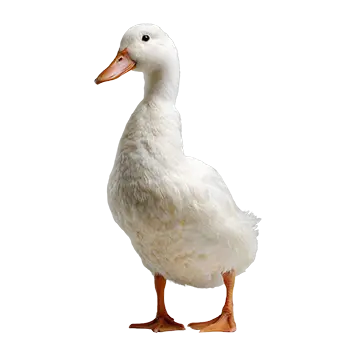
Call Ducks are generally hardy and healthy birds when provided proper care, housing, and nutrition. Their small size can make them more vulnerable to certain health challenges compared to larger breeds, but attentive management ensures most live full, active lives. Respiratory infections are common health concerns in Call Ducks, particularly when housed in damp, poorly ventilated shelters or exposed to drafts and extreme temperature fluctuations. Aspergillosis, a fungal respiratory disease, can affect ducks kept on moldy bedding or in environments with poor air quality, making clean housing critical. Duck viral enteritis is a serious disease that can devastate flocks, though vaccination protocols exist for breeding operations. Bumblefoot, a bacterial infection of the foot pad, occurs when ducks walk on rough, abrasive surfaces or when cuts become contaminated in dirty water or bedding.
Angel wing, a developmental deformity where flight feathers twist outward, affects young ducklings fed excessively high-protein diets, making controlled nutrition during growth phases essential. Botulism can occur when ducks consume spoiled food or water contaminated with Clostridium botulinum toxins, emphasizing the importance of fresh food and clean water sources. Wry neck, sometimes caused by vitamin deficiencies or genetic factors, causes neck twisting and balance problems. Egg binding in hens occurs when eggs become stuck in the reproductive tract, a particular concern for small breeds like Call Ducks, requiring calcium supplementation and proper nesting conditions. Obesity is common in pet Call Ducks given unlimited access to high-calorie feeds without adequate exercise, leading to fatty liver disease and reduced lifespan.
Regular veterinary checkups with an avian or exotic animal veterinarian help catch issues early before they become serious. Finding a veterinarian experienced with waterfowl before acquiring Call Ducks ensures access to proper care when needed. Proper diet and nutrition form the foundation of health, with quality waterfowl feed supplemented with fresh greens, appropriate treats, and clean water for drinking and swimming. Environmental enrichment through swimming opportunities, foraging areas, and social interaction prevents behavioral stress and supports mental health. Cage cleanliness, or rather pen cleanliness for ducks, prevents parasitic infections, bacterial diseases, and respiratory problems, with regular bedding changes and water source maintenance being essential. Predator protection prevents injuries and stress-related health issues, as attacks, even unsuccessful ones, can cause fatal shock in small ducks.
Annual wellness exams allow veterinarians to assess body condition, check for parasites, and address concerns before they become emergencies. With attentive care, proper housing, social companionship, and preventive health measures, Call Ducks typically live 8 to 12 years, with some individuals reaching 15 years in exceptional cases. Quality of life should always be prioritized, with owners monitoring for signs of illness such as lethargy, decreased appetite, abnormal droppings, respiratory distress, or behavioral changes. Early intervention dramatically improves outcomes for most health conditions, making knowledge of normal duck behavior and regular observation crucial for responsible Call Duck ownership.
Call Ducks are generally hardy and healthy birds when provided proper care, housing, and nutrition. Their small size can make them more vulnerable to certain health challenges compared to larger breeds, but attentive management ensures most live full, active lives. Respiratory infections are common health concerns in Call Ducks, particularly when housed in damp, poorly ventilated shelters or exposed to drafts and extreme temperature fluctuations. Aspergillosis, a fungal respiratory disease, can affect ducks kept on moldy bedding or in environments with poor air quality, making clean housing critical. Duck viral enteritis is a serious disease that can devastate flocks, though vaccination protocols exist for breeding operations. Bumblefoot, a bacterial infection of the foot pad, occurs when ducks walk on rough, abrasive surfaces or when cuts become contaminated in dirty water or bedding.
Angel wing, a developmental deformity where flight feathers twist outward, affects young ducklings fed excessively high-protein diets, making controlled nutrition during growth phases essential. Botulism can occur when ducks consume spoiled food or water contaminated with Clostridium botulinum toxins, emphasizing the importance of fresh food and clean water sources. Wry neck, sometimes caused by vitamin deficiencies or genetic factors, causes neck twisting and balance problems. Egg binding in hens occurs when eggs become stuck in the reproductive tract, a particular concern for small breeds like Call Ducks, requiring calcium supplementation and proper nesting conditions. Obesity is common in pet Call Ducks given unlimited access to high-calorie feeds without adequate exercise, leading to fatty liver disease and reduced lifespan.
Regular veterinary checkups with an avian or exotic animal veterinarian help catch issues early before they become serious. Finding a veterinarian experienced with waterfowl before acquiring Call Ducks ensures access to proper care when needed. Proper diet and nutrition form the foundation of health, with quality waterfowl feed supplemented with fresh greens, appropriate treats, and clean water for drinking and swimming. Environmental enrichment through swimming opportunities, foraging areas, and social interaction prevents behavioral stress and supports mental health. Cage cleanliness, or rather pen cleanliness for ducks, prevents parasitic infections, bacterial diseases, and respiratory problems, with regular bedding changes and water source maintenance being essential. Predator protection prevents injuries and stress-related health issues, as attacks, even unsuccessful ones, can cause fatal shock in small ducks.
Annual wellness exams allow veterinarians to assess body condition, check for parasites, and address concerns before they become emergencies. With attentive care, proper housing, social companionship, and preventive health measures, Call Ducks typically live 8 to 12 years, with some individuals reaching 15 years in exceptional cases. Quality of life should always be prioritized, with owners monitoring for signs of illness such as lethargy, decreased appetite, abnormal droppings, respiratory distress, or behavioral changes. Early intervention dramatically improves outcomes for most health conditions, making knowledge of normal duck behavior and regular observation crucial for responsible Call Duck ownership.
Common Health Issues
- Respiratory infections are common health concerns in Call Ducks - Particularly when housed in damp, poorly ventilated shelters or exposed to drafts and extreme temperature fluctuations.
- Aspergillosis, a fungal respiratory disease - Can affect ducks kept on moldy bedding or in environments with poor air quality, making clean housing critical.
- Egg binding in hens occurs when eggs become stuck in the reproductive tract - A particular concern for small breeds like Call Ducks, requiring calcium supplementation and proper nesting conditions.
- Obesity is common in pet Call Ducks given unlimited access to high-calorie feeds without adequate exercise - Leading to fatty liver disease and reduced lifespan.
- Cage cleanliness - Or rather pen cleanliness for ducks, prevents parasitic infections, bacterial diseases, and respiratory problems, with regular bedding changes and water source maintenance being essential.
- Quality of life should always be prioritized - With owners monitoring for signs of illness such as lethargy, decreased appetite, abnormal droppings, respiratory distress, or behavioral changes.
Preventive Care & Health Monitoring
- Call Ducks are generally hardy and healthy birds when provided proper care - Housing, and nutrition.
- Angel wing, a developmental deformity where flight feathers twist outward - Affects young ducklings fed excessively high-protein diets, making controlled nutrition during growth phases essential.
- Wry neck, sometimes caused by vitamin deficiencies or genetic factors - Causes neck twisting and balance problems.
- Egg binding in hens occurs when eggs become stuck in the reproductive tract - A particular concern for small breeds like Call Ducks, requiring calcium supplementation and proper nesting conditions.
- Regular veterinary checkups with an avian or exotic animal veterinarian help catch issues early before they become serious. - Regular veterinary checkups with an avian or exotic animal veterinarian help catch issues early before they become serious.
- Proper diet and nutrition form the foundation of health - With quality waterfowl feed supplemented with fresh greens, appropriate treats, and clean water for drinking and swimming.