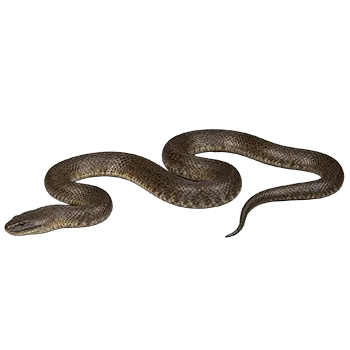

Observing the Dog-Faced Water Snake in its natural habitat offers a rewarding experience for wildlife enthusiasts willing to venture into the mangrove and estuarine environments where the species thrives. Unlike terrestrial snake species that may require hours of searching through forest undergrowth or turning over rocks and logs, the Dog-Faced Water Snake can often be located relatively predictably by focusing on the tidal zones where mangrove roots meet brackish water. The species' semi-aquatic lifestyle means that sightings are frequently associated with specific microhabitats, including the exposed root systems of mangrove trees during low tide, shallow tidal pools on mudflats, and the edges of brackish channels where small fish and crustaceans concentrate.
Timing is one of the most critical factors for successful observation. The Dog-Faced Water Snake is primarily nocturnal and crepuscular, with peak activity occurring during the hours around dusk and dawn when tidal movements often bring prey species into accessible hunting positions. Night surveys using headlamps or handheld torches along mangrove boardwalks or the edges of tidal creeks can be highly productive, as the snakes are frequently encountered on the water's surface or draped over submerged root structures while hunting. Daytime observation is possible but less reliable, as the snakes tend to shelter in burrows, under debris, or within dense root tangles during the hottest hours.
Tidal patterns significantly influence the Dog-Faced Water Snake's activity and visibility. Many experienced observers report that the transitional period around low tide, when receding water concentrates prey in shrinking pools and channels, offers the best opportunities for sighting the species. Understanding local tide charts and coordinating observation periods with tidal cycles can dramatically increase the likelihood of encounters. In areas with pronounced tidal ranges, the exposed mudflats and shallow pools left behind as the tide retreats create temporary feeding grounds where multiple individuals may be visible simultaneously.
Approaching the Dog-Faced Water Snake for observation or photography requires patience and care for both the observer's safety and the animal's welfare. While the species is generally docile and unlikely to bite unless physically restrained, the mangrove and mudflat environments it inhabits present their own hazards, including unstable footing, submerged obstacles, and the potential presence of other wildlife species including saltwater crocodiles in some regions. Observers should wear appropriate footwear, carry adequate lighting for nocturnal surveys, and maintain a respectful distance that allows observation without disturbing the snake's natural behavior.