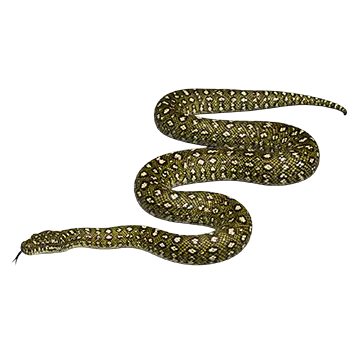

Transporting Captive Diamond Pythons

Moving a captive Diamond Python from one location to another, whether for a veterinary appointment, a reptile show, a sale or transfer, or a residential relocation, requires careful planning to ensure the safety and welfare of the animal and compliance with applicable regulations. The fundamental principles of safe snake transport center on containment security, temperature management, stress minimization, and the provision of an environment that prevents injury during transit. A well-prepared transport setup can make the difference between an uneventful journey and a stressful or dangerous experience for both the python and its keeper.

The choice of transport container is the single most important decision in preparing to move a Diamond Python. For short-distance trips such as veterinary visits, a sturdy, well-ventilated plastic tub with a securely locking lid is the standard choice among experienced keepers. The container should be large enough for the python to rest in a loosely coiled position but not so spacious that the animal slides and tumbles during vehicle acceleration and braking. Lining the base of the container with clean newspaper or paper towels provides a non-slip surface, and placing the python inside a calico or cotton bag before placing the bag inside the hard container provides an additional layer of security and darkness that most pythons find calming.

Temperature regulation during transport is a critical concern for the Diamond Python, particularly during the cooler months when ambient temperatures may drop below the species' preferred range. While the Diamond Python is more cold-tolerant than many python species, prolonged exposure to temperatures below approximately fifteen degrees Celsius during transport can cause physiological stress, immune suppression, and in extreme cases, respiratory distress. During winter transport, heat packs designed for reptile use can be placed adjacent to but not in direct contact with the transport bag, wrapped in a layer of fabric to prevent thermal burns. In summer, the opposite risk applies, and transport containers must be shielded from direct sunlight and not left in parked vehicles where temperatures can reach lethal levels within minutes.

For longer-distance travel, additional precautions are warranted. Journeys exceeding a few hours should include consideration of hydration, as dehydration can develop quickly in a stressed animal confined in a warm container. Placing a small piece of damp sponge inside the transport bag provides a modest humidity buffer without creating the risk of the python sitting in standing water. Overnight stops during multi-day journeys require access to a secure indoor location where the transport container can be maintained at an appropriate temperature, and the python should be offered water during extended stopovers even if it declines to drink.

Keepers should also prepare for the possibility of a transport-related escape, however unlikely, by ensuring that the vehicle's windows and doors are fully sealed before opening the transport container for any reason, and by carrying basic snake-handling equipment including a hook, a spare bag, and a flashlight. A written emergency plan that includes the contact details of reptile-experienced veterinarians along the travel route provides additional security for longer journeys.

Interstate & Regulatory Travel Requirements

Moving a Diamond Python across state or territory boundaries within Australia triggers regulatory requirements that must be addressed well before the journey begins. Each Australian state and territory maintains its own wildlife licensing system, and the transfer of a licensed reptile from one jurisdiction to another typically requires notification to or approval from the wildlife authorities in both the originating and receiving states. Failure to obtain the necessary permits or to comply with notification requirements can result in the confiscation of the animal, financial penalties, and the suspension or cancellation of the keeper's wildlife licence.

The specific documentation required for interstate transfer of a Diamond Python varies between jurisdictions but commonly includes evidence of the animal's legal provenance, such as a copy of the keeper's current licence, records of the animal's acquisition from a licensed breeder or previous keeper, and microchip identification details. Some states require the completion of a formal interstate wildlife transfer application that must be approved before the animal leaves the originating jurisdiction, while others accept notification after the transfer has occurred, provided that the keeper can demonstrate that all regulatory requirements were met at the time of the move.

Keepers who are relocating permanently from one state to another face particular regulatory complexity, as they must simultaneously comply with the exit requirements of their current jurisdiction and the entry requirements of their new one. This process may involve surrendering an existing licence and applying for a new one, meeting different enclosure standards or species classification criteria in the new state, and potentially facing restrictions on species that were permissible in their former jurisdiction but are classified differently in the new one. Beginning the application process several months before the planned move is strongly advisable, as processing times for interstate wildlife transfers can be substantial.

The regulatory landscape for interstate reptile transport also includes requirements imposed by transport companies and carriers. Domestic airlines, freight companies, and courier services each maintain their own policies regarding the acceptance of live reptiles for transport, and these policies can change with limited notice. Some carriers accept live reptiles in purpose-designed packaging during certain seasons, while others refuse reptile shipments entirely. Keepers planning to ship a Diamond Python via a commercial carrier should confirm the carrier's current live animal policy, packaging requirements, and any seasonal restrictions well in advance of the intended shipping date.

International transport of Diamond Pythons out of Australia is prohibited under federal wildlife export legislation except in extremely limited circumstances that do not encompass private keeping or commercial sale. Keepers who are emigrating from Australia must make arrangements for the rehoming of their Diamond Pythons to licensed keepers within Australia before their departure, as the animals cannot legally accompany them abroad. This restriction applies regardless of the keeper's destination country or the receiving country's willingness to accept the animals.

Wildlife Tourism & Observation Destinations

Southeastern Australia offers abundant opportunities for wildlife enthusiasts and ecotourists to observe Diamond Pythons in their natural habitat, and the species' accessibility in areas close to major population centers makes it one of the easiest large Australian reptiles to encounter in the wild. The combination of the Diamond Python's visual impact, its relative tolerance of careful human approach, and the scenic beauty of the landscapes it inhabits creates a compelling wildlife tourism proposition that attracts visitors from across Australia and around the world.

The Blue Mountains region west of Sydney is among the premier destinations for Diamond Python observation. The sandstone escarpments, eucalypt forests, and sheltered creek valleys of the Blue Mountains provide ideal habitat for the subspecies, and Diamond Pythons are regularly encountered along popular walking tracks, around picnic areas, and on the sun-warmed rock platforms that characterize the region's dramatic cliff-edge landscapes. The spring and summer months from October through March offer the highest probability of sightings, as pythons emerge from winter dormancy and become increasingly active in their search for food and mates.

Royal National Park, located on the southern outskirts of Sydney, is another outstanding location for Diamond Python encounters. The park's diverse habitats, ranging from coastal heath and sandstone plateau to rainforest gully and freshwater wetland, support a healthy python population, and the subspecies is frequently observed by bushwalkers along trails in the park's interior. The proximity of Royal National Park to Sydney's urban core means that visitors can access world-class Diamond Python habitat within an hour's drive of the central business district, making it an exceptionally accessible destination for both dedicated herpetological excursions and general nature walks.

Ku-ring-gai Chase National Park on Sydney's northern fringe, the Illawarra Escarpment along the coast south of Sydney, and the forested ranges of the Hunter Valley to the north all offer additional opportunities for Diamond Python observation within reasonable travel distance of Sydney. Each of these areas presents the species in a somewhat different ecological context, from the deep sandstone gorges and dry sclerophyll forests of Ku-ring-gai to the subtropical-influenced rainforest margins of the Illawarra, providing repeat visitors with varied perspectives on the subspecies' habitat use and behavioral ecology.

Guided wildlife tours and herpetological field excursions led by experienced naturalists are available in several parts of the Diamond Python's range and can significantly increase the likelihood of a successful sighting. These guided experiences combine local knowledge of python hotspots and seasonal activity patterns with interpretive content that enriches the observation experience by placing each sighting in its ecological and evolutionary context. For international visitors unfamiliar with the Australian bush, a guided excursion also provides practical benefits including navigation assistance, safety briefings, and information about other wildlife species likely to be encountered alongside the Diamond Python.

Veterinary & Health Considerations for Travel

Traveling with a Diamond Python introduces health and veterinary considerations that responsible keepers must anticipate and manage to protect the wellbeing of their animal. The stress of transport, exposure to temperature fluctuations, disruption of established routines, and potential contact with unfamiliar environments and pathogens all create health risks that can be mitigated through thoughtful preparation but not entirely eliminated. Understanding these risks and having a veterinary response plan in place before travel begins is an essential component of responsible python transport.

The timing of travel relative to the Diamond Python's feeding and digestive cycle is an important practical consideration. Transporting a python that has recently consumed a meal increases the risk of regurgitation, which is both stressful for the animal and potentially dangerous if aspiration of regurgitated material occurs. Experienced keepers generally recommend withholding food for a minimum of five to seven days before a planned journey to ensure that any recent meal has been fully digested. This precaution is particularly important for longer journeys where vibration, temperature changes, and the general stress of transport are more sustained.

Respiratory infections represent one of the most common travel-related health risks for Diamond Pythons. Exposure to cool temperatures, drafts, and sudden temperature fluctuations during transport can precipitate respiratory illness, particularly in animals whose immune systems are already compromised by the stress of relocation. Symptoms including audible wheezing, excessive mucus discharge from the mouth or nares, and open-mouth breathing in the days following transport should prompt immediate veterinary consultation with a practitioner experienced in reptile medicine.

Keepers traveling with Diamond Pythons should identify reptile-experienced veterinary clinics along their route and at their destination before departure. Reptile veterinary medicine is a specialized field, and not all veterinary practices have the expertise, equipment, or medication inventory to diagnose and treat python health issues effectively. The Unusual Pet Vets network, university veterinary hospitals with exotic animal departments, and referrals from herpetological societies are all useful resources for locating appropriate veterinary care in unfamiliar areas.

Quarantine considerations apply when a Diamond Python is being moved to a location where it will share space with other reptiles. Introducing a newly transported python into an established collection without a quarantine period creates a risk of disease transmission that can have devastating consequences for an entire collection. A minimum quarantine period of thirty to ninety days in a separate room with dedicated equipment is standard best practice, during which the new arrival is monitored for signs of respiratory infection, internal parasites, inclusion body disease, and other transmissible conditions. Fecal testing, blood work, and physical examination by a reptile veterinarian during the quarantine period provide additional assurance that the incoming animal does not pose a disease risk to established residents.

Reptile Shows, Expos & Event Travel

Reptile shows and herpetological expos are significant events in the Australian reptile-keeping calendar, and Diamond Pythons are among the most frequently exhibited and traded species at these gatherings. Attending a reptile show with a Diamond Python, whether as a vendor, an exhibitor, or a buyer acquiring a new animal, involves logistical planning that encompasses transport preparation, regulatory compliance, animal welfare during the event, and post-event care. Understanding the specific requirements and challenges associated with show travel helps ensure a positive experience for both keepers and their animals.

Preparation for show attendance begins weeks before the event date. Vendors planning to display or sell Diamond Pythons must ensure that all animals intended for the show are in good health, appropriately documented with microchip records and provenance paperwork, and current on any veterinary checks required by the show organizers or relevant wildlife authority. Show-quality presentation is also a consideration for exhibitors, and many keepers time feeding and enclosure cleaning schedules to ensure that their Diamond Pythons are alert, well-hydrated, and displaying their best coloration on the day of the show.

The show environment itself presents unique stresses for Diamond Pythons that keepers must actively manage. Crowds of people, elevated noise levels, artificial lighting, and the proximity of large numbers of unfamiliar reptiles create a sensory environment that is far removed from the python's normal experience. Providing a secure, partially enclosed display container that allows the python to retreat from visual stimulation, maintaining appropriate temperatures within the display area, and limiting the duration of public handling to short intervals with adequate rest periods between sessions all contribute to minimizing stress-related impacts on the animal's health and behavior.

Buyers acquiring a Diamond Python at a reptile show face a distinct set of travel considerations. The newly purchased animal will be stressed from the show environment and unfamiliar with its new keeper, making the journey home a particularly sensitive period. Buyers should arrive at the show prepared with an appropriate transport container, a heat source suitable for the current weather conditions, and a plan for getting the animal into its permanent enclosure as quickly and calmly as possible after arriving home. Resisting the temptation to handle, examine, or feed a newly acquired Diamond Python for the first several days after purchase allows the animal to settle into its new environment and begin to recover from the cumulative stress of the show and transport experience.

Post-event care for Diamond Pythons that have attended reptile shows should include a monitoring period during which the keeper watches for signs of stress-related illness. Elevated stress hormone levels during and after show attendance can suppress immune function, making the animal more susceptible to opportunistic infections in the days and weeks following the event. A clean, quiet enclosure at the appropriate temperature gradient, access to fresh water, and minimal disturbance for the first week after returning from a show provide the best conditions for recovery.

Planning a Herping Trip to Diamond Python Country

A herping trip dedicated to finding and observing Diamond Pythons in the wild is a rewarding experience that combines the satisfaction of field naturalism with the opportunity to explore some of southeastern Australia's most spectacular landscapes. Successful field herping for Diamond Pythons requires an understanding of the species' ecology and seasonal behavior, appropriate preparation for conditions in the Australian bush, and a respectful approach to the animals and the environments in which they live. Thoughtful planning maximizes the chances of a memorable encounter while minimizing the impact of human visitation on wild python populations and their habitats.

Seasonal timing is the most important variable in planning a Diamond Python herping trip. The species is most active and most frequently encountered during the warmer months from October through March, with peak activity typically occurring during the spring emergence period in October and November, when pythons leave their winter shelters and begin basking conspicuously on exposed rock faces and sunlit branches. The breeding season in late spring and early summer increases male movement as individuals travel in search of mates, further elevating encounter rates. Conversely, during the cooler months from May through August, Diamond Pythons enter a period of reduced activity and retreat into sheltered refugia where they are difficult to locate.

Time of day significantly affects encounter probability and the type of behavior observed. During the warmer parts of the year, Diamond Pythons are most commonly seen basking during the mid-morning and late afternoon hours, when solar angles and ambient temperatures encourage thermoregulatory behavior on exposed surfaces. After dark, particularly on warm, humid evenings following rain, Diamond Pythons become actively mobile as they hunt for prey, and nocturnal road cruising along quiet roads through suitable habitat can yield sightings of animals crossing or basking on warm bitumen. Night herping with headlamps along walking trails and through bushland areas can also be productive, as the python's reflective eye shine is visible at considerable distance under torch light.

Practical preparation for a Diamond Python herping trip should address the specific conditions of the Australian bush environment. Sturdy, enclosed footwear is essential, as the habitats favored by Diamond Pythons are also home to several dangerously venomous snake species including eastern brown snakes, red-bellied black snakes, and death adders. Adequate water, sun protection, navigation aids, and a fully charged mobile phone or satellite communication device are baseline requirements for any excursion into Australian bushland. First aid knowledge including snakebite first aid is strongly recommended for anyone spending time in areas where venomous species are present.

Ethical field herping practice demands that observers minimize their impact on the animals they seek and the habitats in which they search. Diamond Pythons encountered in the wild should be observed from a respectful distance without physical contact, and their refugia should not be disturbed. Turning rocks, peeling bark, or dismantling log piles to search for sheltering pythons causes habitat damage that accumulates with repeated visits and can reduce the availability of critical shelter sites for the local population. Photographs should be taken without flash when possible and without repositioning or restraining the animal, and the precise locations of significant sightings should be shared judiciously to prevent site degradation from concentrated visitation pressure.

Always consult a qualified professional before making any health-related decisions. This content is provided for informational reference only and should not replace professional guidance specific to your animal.