
Car Travel

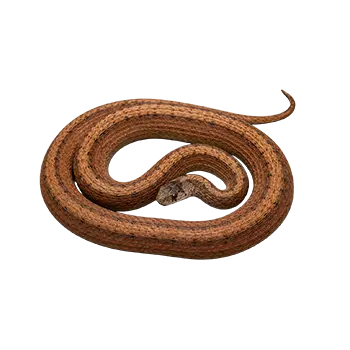
Transporting a Dekay's Brown Snake by car is relatively straightforward thanks to the species' tiny size, but the same core principles that apply to transporting any reptile still hold. A small, secure plastic container with ventilation holes and a tightly fitting lid serves as an ideal travel enclosure. The container need not be large — a deli cup or small critter keeper is typically more than sufficient for an animal that rarely exceeds thirteen inches in length.

Temperature management is the most critical factor during car travel. Brown snakes are ectotherms and cannot regulate their own body temperature, making them vulnerable to the temperature fluctuations common inside vehicles. In cold weather, a small chemical heat pack wrapped in a cloth and placed beside the travel container provides gentle warmth. In warm weather, keep the container out of direct sunlight and away from dashboard heating. Aim to maintain temperatures between 68 and 78 degrees Fahrenheit throughout the journey.

Moisture is also important for brown snakes during transport. A damp paper towel placed inside the travel container provides humidity and a comfortable surface for the snake to rest on. Brown snakes are moisture-dependent in the wild, often found beneath damp leaf litter and garden mulch, and they can become stressed in overly dry conditions. Avoid adding standing water to the container, as even a small amount of sloshing liquid can be problematic during vehicle movement.

Because of their extremely small size, brown snakes are particularly susceptible to escaping through gaps that would be irrelevant for larger species. Before departing, inspect the travel container carefully for any openings large enough for the snake to squeeze through — brown snakes are adept at exploiting remarkably small gaps. Securing the lid with tape or a rubber band provides an additional layer of escape prevention during transit.

Air Travel

Air travel with a Dekay's Brown Snake presents the same fundamental challenges as air travel with any reptile species. Most commercial airlines do not permit reptiles in the passenger cabin, and policies regarding reptiles as checked baggage or cargo vary by carrier and route. Contacting the airline well in advance of travel to confirm current reptile transport policies is an essential first step in planning any air journey with a brown snake.

When airline cargo transport is available, brown snakes must be packaged in accordance with International Air Transport Association (IATA) Live Animals Regulations. The shipping container must be escape-proof, ventilated, clearly labeled with live animal markings, and insulated against temperature extremes. Given the brown snake's tiny size, the shipping container itself need not be large, but the outer insulated box must meet minimum dimension requirements set by the airline and IATA standards.

Specialized reptile shipping services offer a professional alternative for long-distance transport. These services employ experienced handlers and temperature-controlled logistics chains designed specifically for live reptiles. For a species as small and temperature-sensitive as the brown snake, professional shipping services significantly reduce the risks associated with temperature extremes, rough handling, and extended transit times that can occur with commercial airline cargo.

Documentation requirements for air transport should be addressed well before the travel date. Some airlines and all international shipments require veterinary health certificates issued within a specific timeframe prior to departure. Interstate transport may require additional permits depending on the regulations of both the origin and destination states. Assembling all required documentation early prevents last-minute complications that could delay or cancel the shipment.

Pet-Friendly Accommodations

Finding accommodations that welcome a Dekay's Brown Snake requires proactive communication with lodging providers. Most hotels and vacation rentals that advertise pet-friendly policies are thinking of dogs and cats, and reptile acceptance is far from guaranteed. Contacting the property before booking to specifically ask about reptile policies prevents unpleasant surprises at check-in.

The brown snake's extremely small size can work in the owner's favor during these conversations. When lodging providers learn that the pet in question is a pencil-thin snake smaller than a ruler, housed in a secure container no larger than a shoebox, resistance often softens. Emphasizing the animal's enclosure security, silent nature, and inability to cause property damage addresses the practical concerns that most property managers have about non-traditional pets.

While staying in temporary accommodations, maintaining a secure enclosure is essential. The travel container should be placed on a stable, level surface away from windows, heating and cooling vents, and exterior doors. Inform housekeeping staff of the snake's presence to prevent accidental container displacement during room service. A brief note on the room door and direct communication with the front desk staff help ensure that everyone who might enter the room is aware of the animal.

For extended stays, a small temporary terrarium setup with substrate, a hide, a shallow water dish, and appropriate temperature management provides a more comfortable environment than a bare travel container. These setups are compact enough to fit on a nightstand or desk and can be assembled and disassembled quickly. The improved conditions reduce stress on the snake during longer stays away from its primary enclosure.

Boarding & Pet Sitting

When travel plans make it impractical to bring a brown snake along, arranging qualified care is the responsible alternative. Finding a pet sitter or boarding facility with reptile experience is important, as the brown snake's care requirements — while simple — differ from those of dogs, cats, and other common companion animals.

A knowledgeable pet sitter who visits your home to care for the brown snake in its established enclosure is often the best option. This approach minimizes disruption to the snake's environment and routine. Written care instructions should cover feeding schedules and prey types (typically slugs, small earthworms, or other soft-bodied invertebrates), water dish maintenance, temperature and humidity monitoring, and signs of health concern. Emergency contact information for both the owner and a reptile-experienced veterinarian should be prominently included.

Reptile-specific boarding facilities are available in many urban areas and offer professional care for snake species of all sizes. When evaluating a boarding facility, ask about their experience with small insectivorous or invertebrate-eating snake species, their temperature and humidity management protocols, and their feeding procedures. Brown snakes have specialized dietary needs that not all reptile boarding operations may be equipped to meet, so confirming food availability in advance is important.

Online herpetoculture communities can be valuable resources for locating qualified care providers. Fellow brown snake keepers, herpetological society members, and reptile expo contacts may be willing to provide temporary care or can recommend trusted professionals in your area. Building a network of reptile-knowledgeable contacts before you need boarding services is far preferable to a last-minute search when travel plans arise unexpectedly.

Emergency Preparedness

Emergency preparedness for Dekay's Brown Snake owners centers on maintaining a portable emergency kit and having a clear plan for protecting the animal during power outages, natural disasters, and equipment failures. The brown snake's small size makes it easy to transport in an emergency, but its sensitivity to temperature and moisture means that environmental conditions must be managed even during chaotic circumstances.

A brown snake emergency kit should include a secure travel container, chemical heat packs, a small battery-powered or stick-on thermometer, damp sphagnum moss or paper towels for humidity, and a shallow water dish. These items can be stored together in a small bag that is ready to grab at a moment's notice. The kit should also include any medications the snake may require and a printed copy of care instructions in case the animal needs to be temporarily entrusted to someone unfamiliar with reptiles.

Power outages pose the most immediate threat to captive brown snakes, as the loss of heating equipment can cause enclosure temperatures to drop below safe levels. During winter power outages, placing the snake's container inside an insulated cooler with a chemical heat pack provides hours of temperature stability. In extreme situations, body heat from the owner — placing the sealed container inside a jacket or blanket — can serve as an emergency heat source until power is restored or alternative arrangements are made.

Establishing a relationship with a reptile-experienced veterinarian before an emergency occurs is an important preparedness measure. Not all veterinary practices are equipped to treat snakes, and finding a qualified provider during a crisis wastes valuable time. Many herpetological societies maintain lists of reptile-friendly veterinarians in their regions, and these lists are worth consulting proactively. Having a veterinarian's contact information in your emergency kit ensures that professional help is accessible when it matters most.

Always consult a qualified professional before making any health-related decisions. This content is provided for informational reference only and should not replace professional guidance specific to your animal.