
Film & Television

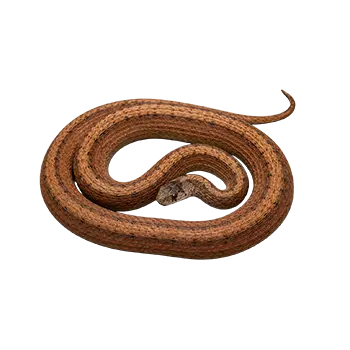
Dekay's Brown Snake has not achieved starring roles in mainstream film or television, a fate consistent with its diminutive size and cryptic lifestyle. However, the species has appeared in nature documentaries and educational television programming that focuses on backyard wildlife, urban ecology, and the hidden biodiversity of human-dominated landscapes. These appearances typically emphasize the surprise factor — that a genuine wild snake thrives unseen in gardens and parks across densely populated regions.

Educational television programs have found the brown snake to be an excellent teaching tool. Its tiny size and completely harmless nature make it safe for on-camera handling, and its association with familiar environments such as gardens, flower beds, and compost piles creates an immediate connection with viewers. Episodes featuring brown snakes often use the species as a gateway to broader discussions about urban wildlife ecology and the importance of tolerating beneficial predators in residential landscapes.

Regional nature programming produced by state and provincial wildlife agencies has given Dekay's Brown Snake more sustained screen time. These productions frequently profile brown snakes as part of segments on backyard wildlife identification, natural pest control, and reptile awareness. The message that a small, harmless snake living under a garden stone is actually a welcome ally in slug and snail control resonates strongly with gardening-oriented audiences.

Documentary filmmakers exploring the theme of urban wildlife have increasingly turned to Dekay's Brown Snake as a compelling case study. The species' ability to maintain viable populations in the hearts of major cities challenges conventional assumptions about the incompatibility of wildlife and urbanization. Footage of brown snakes navigating sidewalk cracks, garden walls, and park debris in metropolitan settings provides visually striking evidence of nature's persistence in unexpected places.

Literature & Art

In scientific and natural history literature, Dekay's Brown Snake has been a consistent, if understated, presence since its formal description in the 1830s. Holbrook's original description and accompanying illustration established the species in the herpetological canon, and subsequent field guides and regional natural history works have reliably included the brown snake as a representative member of North America's small-snake fauna. The species' entry in virtually every eastern North American field guide speaks to its ubiquity and importance as a known element of local biodiversity.

Popular nature writing has occasionally featured the brown snake as a protagonist in narratives about discovering wildlife in unexpected places. Essays and nature columns describing the thrill of lifting a garden stone to reveal a tiny coiled brown snake have appeared in publications ranging from local newspapers to national nature magazines. These accounts typically frame the brown snake as a symbol of the wild nature that persists within domesticated landscapes, offering readers a new perspective on their own backyards.

In children's educational literature, the brown snake appears in books about reptiles, backyard nature, and garden ecology. Its friendly, worm-like appearance and completely harmless disposition make it an effective character for introducing young readers to snakes without triggering fear. Illustrators often depict the brown snake in cozy, garden-themed settings that emphasize its role as a helpful neighbor rather than a threatening intruder.

Wildlife illustration and nature art have engaged with Dekay's Brown Snake primarily in the context of field guide illustration and ecological diagram. The species' subtle beauty — warm brown tones, delicate dorsal patterning, and tiny keen-eyed face — rewards close observation and careful artistic rendering. Contemporary wildlife artists working in detailed realism have produced striking portraits that reveal the aesthetic appeal hidden within this otherwise easy-to-overlook species.

Internet & Social Media

The internet and social media have done more to raise the profile of Dekay's Brown Snake than any other media channel. Wildlife identification platforms and communities have introduced millions of people to the species, often through the simple scenario of someone photographing a tiny brown snake found in their garden and asking the online community to identify it. These identification threads consistently rank among the most-viewed and most-shared content in reptile and nature identification communities.

Reddit's herpetology and snake identification communities have developed a particular affection for Dekay's Brown Snake, which appears in identification requests with remarkable frequency. The species has become something of a community favorite, with experienced members eagerly confirming identifications and sharing information about the snake's beneficial ecological role. The repeated message that the tiny brown snake is harmless and eats garden pests has been credited with changing attitudes among homeowners who might otherwise have killed the animal.

Social media platforms such as Instagram and TikTok feature growing numbers of accounts dedicated to urban wildlife, backyard nature, and casual herpetology, all of which regularly feature brown snake content. Short-form videos of brown snakes being gently uncovered beneath garden debris, curling defensively and then relaxing, or being relocated from driveways to garden beds generate significant engagement. The species' approachable size and non-threatening behavior make for content that appeals even to viewers who are normally uncomfortable with snakes.

Citizen science applications have amplified the brown snake's digital presence further. Platforms that enable users to photograph, identify, and map wildlife observations have accumulated thousands of brown snake records, creating a rich dataset that tracks the species' distribution in unprecedented detail. Each submitted observation also represents an individual who has engaged with the species and, in many cases, learned something new about the wildlife sharing their immediate environment.

Advertising & Branding

Dekay's Brown Snake has not been adopted as a commercial mascot or advertising icon, which is unsurprising given its small size, cryptic appearance, and lack of name recognition among the general public. Unlike charismatic megafauna or visually dramatic reptile species, the brown snake does not lend itself to bold branding applications. However, it has found a niche presence in the marketing materials of environmentally focused organizations and nature education programs.

Garden supply companies and organic pest control brands have occasionally referenced brown snakes in their marketing, emphasizing the benefits of natural pest control and wildlife-friendly gardening practices. The message that encouraging beneficial predators like brown snakes reduces the need for chemical pesticides aligns with the values of environmentally conscious consumers and provides a compelling narrative hook for green marketing campaigns.

Nature centers, state parks, and environmental education organizations have used brown snake imagery in their promotional materials, particularly in programs focused on urban ecology and backyard nature. The species' association with familiar environments makes it an accessible and relatable symbol for programs that seek to connect urban and suburban residents with the natural world in their immediate surroundings.

The growing urban wildlife movement has also adopted the brown snake as an informal emblem. Blog posts, social media campaigns, and community science initiatives focused on discovering and celebrating wildlife in cities frequently feature brown snake imagery and stories. While this does not constitute advertising in the traditional sense, it represents a form of cultural branding that is gradually increasing public awareness of and affection for this small but ecologically significant species.

The Popularity Effect

The cumulative effect of Dekay's Brown Snake's media appearances — however modest individually — has been a meaningful shift in public awareness and attitudes. The species has transitioned from near-total public obscurity to a degree of recognition that, while still limited, is growing steadily. Each identification request answered on social media, each nature documentary segment, and each garden blog post contributes to a slowly expanding circle of people who know what a brown snake is and why it matters.

The popularity effect for Dekay's Brown Snake operates differently than it does for charismatic species that achieve sudden fame through viral media moments. Instead, the brown snake's rising profile is driven by millions of small, personal encounters — a homeowner discovering one under a flower pot, a child finding one at summer camp, a gardener learning that the tiny snake in the mulch is eating the slugs that damage their tomatoes. These individual moments of discovery and recognition accumulate into a broader cultural shift.

This ground-level popularity has practical conservation implications. Homeowners who recognize and appreciate brown snakes are more likely to maintain wildlife-friendly garden practices, reduce pesticide use, and tolerate snakes on their property rather than killing them. At a population level, these individual behavioral changes can have measurable effects on brown snake survival rates and population stability in suburban and urban landscapes.

The brown snake's story also offers a broader lesson about the cultural dynamics of wildlife appreciation. Not every species can or will become a poster child for conservation, but every species that gains even modest public recognition and goodwill benefits from that awareness. Dekay's Brown Snake demonstrates that cultural significance need not come from dramatic appearances or starring roles — sometimes it comes from simply being present, being noticed, and being understood.

Always consult a qualified professional before making any health-related decisions. This content is provided for informational reference only and should not replace professional guidance specific to your animal.