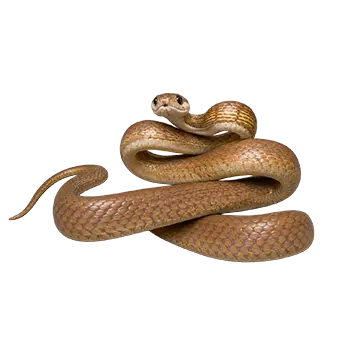

Observing Cat-Eyed Snakes in the Wild

The Cat-Eyed Snake is among the most rewarding nocturnal serpents for field observation across its extensive Neotropical range. Its combination of relative abundance, habitat accessibility, and predictable behavioral patterns makes it a realistic target for both experienced field herpetologists and first-time herping visitors to Central and South America. The species' willingness to inhabit edge environments, including forest margins, agricultural drainage channels, roadside vegetation, and the landscaped grounds of lodges and research stations, means that productive encounters often occur within walking distance of accommodations, eliminating the need for arduous backcountry expeditions that characterize the pursuit of rarer, more habitat-specific species.

The most reliable method for locating Cat-Eyed Snakes in the field is slow, methodical walking along trails, roads, and watercourses after nightfall, using a headlamp or handheld flashlight to scan vegetation at eye level and above. Cat-Eyed Snakes are frequently found draped over low branches, clinging to the leaves of broad-leaved plants, or moving along the edges of ponds and streams where their amphibian prey congregates. The snake's eyes reflect conspicuously in artificial light, producing a distinctive amber or reddish eyeshine that experienced observers learn to recognize and distinguish from the eyeshine of frogs, spiders, and other nocturnal animals.

Patience and attentiveness are more important than covering large distances when searching for Cat-Eyed Snakes. Because the species often remains stationary for extended periods while hunting or digesting a meal, a slow and thorough search of a productive microhabitat will typically yield more observations than a rapid traverse of a long trail. Observers should pay particular attention to the vicinity of temporary pools, flooded ditches, and the edges of permanent ponds during the rainy season, as these are the sites where tree frogs congregate to breed and where Cat-Eyed Snakes are most reliably encountered in feeding postures.

Field observation of Cat-Eyed Snakes benefits from a respectful, low-impact approach. The species is generally tolerant of careful human approach and observation at close range, but excessive handling, bright direct light aimed at the eyes for prolonged periods, and disturbance of the vegetation surrounding a perched animal can cause the snake to flee or adopt defensive postures. Observers who prioritize the animal's welfare by maintaining a reasonable distance, using diffused or indirect lighting, and minimizing physical disturbance will typically be rewarded with longer, more natural behavioral observations and higher-quality photographic opportunities.

Key Destinations in Central America

Central America offers some of the finest opportunities in the world for encountering Cat-Eyed Snakes in natural settings, and several countries in the region have developed ecotourism infrastructures that make nocturnal wildlife observation both accessible and rewarding. Costa Rica stands out as the premier destination for Cat-Eyed Snake observation, combining exceptional biodiversity, well-maintained trail systems, experienced local guides, and a national culture that values wildlife conservation and sustainable tourism. The country's network of biological research stations, many of which welcome visiting naturalists and offer guided nighttime walks, provides an ideal platform for encountering the species.

Within Costa Rica, several specific regions are particularly productive for Cat-Eyed Snake observation. The Caribbean lowlands, including the area surrounding Tortuguero National Park and the Sarapiqui Valley, support high densities of Cat-Eyed Snakes in the wet lowland forests and associated agricultural margins. The Osa Peninsula, home to Corcovado National Park and some of the most intact lowland rainforest remaining in Central America, offers opportunities to observe Cat-Eyed Snakes in relatively undisturbed primary forest habitat. The Pacific lowlands and the Guanacaste dry forest region provide encounters during the wet season, when temporary pools attract breeding frogs and their serpentine predators.

Panama is another exceptional destination for Cat-Eyed Snake observation, particularly in the Canal Zone and surrounding areas where decades of biological research have produced detailed knowledge of local herpetofauna. The Smithsonian Tropical Research Institute's facilities on Barro Colorado Island and in the Gamboa area have been the sites of extensive herpetological fieldwork, and visiting researchers and naturalists benefit from the accumulated knowledge base and local expertise. The Bocas del Toro archipelago on Panama's Caribbean coast offers a distinctive island ecology that supports Cat-Eyed Snake populations adapted to coastal and insular habitats.

Guatemala, Honduras, and Belize offer less heavily touristed alternatives for travelers seeking Cat-Eyed Snake encounters in Central American settings. The Peten region of Guatemala, the cloud forests of western Honduras, and the tropical forests of southern Belize all harbor healthy Cat-Eyed Snake populations. These destinations appeal to travelers who prefer a more independent, exploratory approach to field herping, though they generally offer fewer organized nighttime wildlife programs than Costa Rica and Panama. Travelers to these countries should invest additional time in advance planning, including identifying knowledgeable local contacts, arranging permits where required, and researching current security conditions in their intended field areas.

South American & North American Observation Sites

South America presents a vast and varied landscape for Cat-Eyed Snake observation, with productive opportunities spanning the continent from the Caribbean coast of Colombia and Venezuela through the Amazon Basin and into the Atlantic Forest region of southeastern Brazil. The extraordinary amphibian diversity of South American tropical forests supports robust Cat-Eyed Snake populations in many regions, and the continent's growing ecotourism industry has made an increasing number of these areas accessible to visiting naturalists.

Ecuador is a particularly rewarding South American destination for herpetological tourism, offering access to Cat-Eyed Snake habitat on both sides of the Andes. The western lowlands and foothills, including areas around the Choco bioregion and the cloud forests of Mindo, support populations that are readily encountered on nighttime walks during the rainy season. The eastern Amazonian lowlands, accessible through gateway towns such as Tena and Coca, offer opportunities to observe Cat-Eyed Snakes in the context of the extraordinary reptile and amphibian diversity of the upper Amazon Basin. Ecuador's compact geography and well-developed lodge-based ecotourism infrastructure allow visitors to access multiple habitat types within a relatively short trip.

Colombia's rapidly developing ecotourism sector has opened new opportunities for herpetological visitors to explore some of the most biodiverse landscapes in the Cat-Eyed Snake's range. The Choco region of the Pacific coast, the coffee-growing zone of the central Andes, and the Amazonian lowlands of the south all support Cat-Eyed Snake populations. Colombia's extraordinary overall biodiversity, which includes more amphibian species than almost any other country on Earth, creates the prey base that sustains healthy serpent communities, and nocturnal surveys in productive habitats frequently yield Cat-Eyed Snake encounters alongside a remarkable diversity of other reptile and amphibian species.

At the northern limit of its range, the Cat-Eyed Snake occurs in the lower Rio Grande Valley of southern Texas, where it reaches the northernmost extent of its distribution. This region offers the only opportunity to observe the species within the borders of the United States. The subtropical thorn scrub and riparian habitats of the Valley support a small but established Cat-Eyed Snake population, and the species is a sought-after target for herping enthusiasts who travel to south Texas specifically to encounter the distinctive assemblage of Neotropical reptile species that reach their northern range limits in this ecologically unique region. Nighttime road cruising along rural roads during warm, humid nights in the spring and summer months is the most productive search method in this area.

Seasonal Timing & Field Techniques

The timing of a trip to observe Cat-Eyed Snakes should be carefully planned around the seasonal patterns that govern the species' activity cycles. Throughout the tropics, the Cat-Eyed Snake's surface activity is strongly correlated with rainfall, temperature, and the breeding phenology of its amphibian prey. The rainy season, which varies in timing by region but generally spans from May through November in most of Central America and much of the Neotropics, is overwhelmingly the most productive period for encountering the species. During this season, warm rains trigger explosive breeding activity among tree frogs and other anurans, drawing Cat-Eyed Snakes to the temporary and permanent water bodies where their prey congregates.

Within the rainy season, the most productive nights for Cat-Eyed Snake observation are those immediately following significant rainfall events. Warm, humid nights with light rain or recent rain activity produce the highest levels of frog calling activity, which in turn maximizes the probability of finding Cat-Eyed Snakes actively hunting in the vicinity of breeding aggregations. Conversely, dry spells during the wet season, unusually cold nights, and periods of exceptionally heavy rainfall that may cause flooding can all reduce Cat-Eyed Snake detection rates. Experienced field herpers learn to monitor local weather patterns and time their outings for the optimal conditions.

The dry season in tropical regions sees a significant reduction in Cat-Eyed Snake surface activity, as the cessation of rains eliminates the temporary water bodies that support frog breeding and concentrates remaining amphibian activity around permanent water sources. While Cat-Eyed Snakes can still be found during the dry season, particularly near permanent streams, ponds, and irrigation infrastructure, encounter rates are typically much lower than during the wet months. Travelers whose schedules constrain them to dry-season visits should focus their efforts on habitats with reliable year-round water availability and should adjust their expectations for nightly encounter rates accordingly.

Field techniques for maximizing Cat-Eyed Snake encounters go beyond simple timing and habitat selection. Carrying a headlamp with adjustable brightness allows observers to use a low-intensity scan mode for initial detection, switching to brighter illumination only when a potential target has been identified. This approach reduces disturbance to the overall nocturnal community and may increase the probability of observing natural hunting behavior. Wearing subdued clothing, moving slowly, and minimizing conversation during surveys all contribute to a less disruptive human presence. Recording the GPS coordinates, habitat type, and behavioral context of each observation creates a valuable personal dataset that, when shared with research platforms, contributes to the scientific understanding of the species' ecology and distribution.

Safety, Ethics & Responsible Ecotourism

Nighttime field excursions in tropical environments require attention to safety considerations that go well beyond the negligible risk posed by the Cat-Eyed Snake itself. The same habitats that support Cat-Eyed Snake populations are home to medically significant venomous species, including various pit vipers such as the Fer-de-Lance, eyelash vipers, and palm vipers, whose nocturnal activity patterns overlap with those of the Cat-Eyed Snake. Any traveler planning nocturnal herping in the Neotropics should be able to reliably distinguish the Cat-Eyed Snake from the venomous species that share its range, and should approach all snake encounters with appropriate caution until a positive identification has been made.

Appropriate field attire for nocturnal herping includes closed-toe boots or shoes with ankle support, long pants, and a reliable headlamp with backup batteries. Travelers should carry a basic first aid kit, a fully charged mobile phone, and sufficient water for the duration of their outing. In remote areas, informing someone of your intended route and expected return time is a fundamental safety precaution. Insect repellent is essential in the tropical lowlands where Cat-Eyed Snakes are most commonly encountered, as mosquito-borne diseases including dengue, chikungunya, and malaria are present in many parts of the species' range.

Ethical field observation practices are central to responsible herpetological ecotourism. The growing popularity of nighttime wildlife walks in tropical destinations has raised legitimate concerns about the cumulative impact of repeated human disturbance on sensitive nocturnal communities. Observers should avoid capturing, restraining, or repositioning wild Cat-Eyed Snakes for photographic purposes, as these practices cause stress to the animal and may disrupt natural behaviors such as hunting, thermoregulation, and predator avoidance. Where local guides offer to handle or relocate snakes for visitor observation, travelers should consider whether such practices align with their personal ethical standards and with the best interests of the animals involved.

Supporting local communities through responsible ecotourism spending is one of the most impactful contributions that herpetological travelers can make to Cat-Eyed Snake conservation. Hiring local guides, staying at locally owned lodges, and purchasing supplies from community businesses creates economic incentives for habitat preservation and wildlife protection that complement formal conservation programs. Many of the most knowledgeable field guides in Central and South American herping destinations are local residents whose understanding of Cat-Eyed Snake ecology, behavior, and local distribution has been developed through a lifetime of living alongside the species. Compensating these guides fairly and respectfully acknowledges the value of their expertise and contributes to a tourism model that benefits both wildlife and human communities.

Transporting Captive Cat-Eyed Snakes

The transport of captive Cat-Eyed Snakes, whether for relocation, veterinary visits, sale, or exhibition, requires careful attention to both the physical welfare of the animal and compliance with applicable regulations. The fundamental principles of safe snake transport apply to the Cat-Eyed Snake as to any serpent species: secure containment, temperature stability, darkness, vibration minimization, and appropriate duration management are all essential elements of a responsible transport protocol.

For short-distance transport, such as trips to a veterinarian or local reptile event, a Cat-Eyed Snake should be placed in a secure, escape-proof container that is appropriately sized for the individual animal. A cloth snake bag placed inside a rigid, ventilated container is the standard method used by experienced keepers and breeders. The bag provides a dark, secure environment that reduces stress, while the rigid outer container protects the animal from crushing and provides thermal insulation. The container should be secured in the vehicle to prevent shifting during transit, and the interior temperature should be maintained within the species' comfort range of approximately seventy-five to eighty-five degrees Fahrenheit.

Long-distance transport, including overnight shipments for commercial sales or transfers between breeders, requires more elaborate preparation. Insulated shipping boxes with heat or cold packs, depending on ambient temperature conditions, are used to maintain stable temperatures throughout transit. The snake should be placed in a breathable cloth bag or deli cup with ventilation holes, secured within the insulated box with crumpled newspaper or other cushioning material to prevent movement. Overnight delivery services that specialize in live animal shipments offer the most reliable transit times, and shipments should be scheduled to avoid weekends, holidays, and extreme weather events that could result in delays or temperature excursions.

Regulatory compliance is a critical component of any Cat-Eyed Snake transport plan. Interstate transport within the United States requires that both the origin and destination states permit possession of the species, and some states require advance notification or permits for the import of non-native reptiles. International transport involves a substantially more complex regulatory landscape, including potential requirements for export permits from the country of origin, import permits in the destination country, veterinary health certificates, and CITES documentation if applicable. Commercial shippers of live reptiles should maintain current knowledge of the shipping policies of their chosen carriers, as major courier and freight companies periodically update their policies regarding the acceptance of live animal shipments.

For keepers who transport their Cat-Eyed Snakes to educational presentations, reptile shows, or other public events, additional considerations apply. The animal should be acclimated to handling and transport before being taken to a high-stimulation environment, and the keeper should have a secure, quiet retreat space available where the snake can rest away from crowds and noise between display periods. Providing fresh water upon arrival and maintaining appropriate temperatures throughout the event are essential welfare measures. The overall duration of the outing should be kept reasonable, and the animal's behavior should be monitored for signs of stress, including persistent defensive posturing, refusal to settle, or attempts to flee, which indicate that the individual should be returned to its home enclosure.

Always consult a qualified professional before making any health-related decisions. This content is provided for informational reference only and should not replace professional guidance specific to your animal.