
Species-Specific Regulations

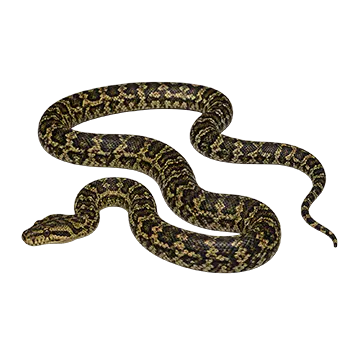
The legal framework governing Carpet Python ownership varies dramatically depending on location. In Australia, where the species is native, all reptiles are protected under federal and state wildlife legislation, and keeping a Carpet Python requires a reptile keeper's license issued by the relevant state or territory wildlife authority. Each Australian state has its own licensing categories, fees, and conditions, and Carpet Pythons are generally classified at a beginner or intermediate license level depending on the jurisdiction.

In the United States, Carpet Pythons are not native and are therefore regulated differently than in Australia. At the federal level, Carpet Pythons are not listed as injurious wildlife under the Lacey Act, and they are not subject to the large constrictor snake restrictions that apply to species like Burmese Pythons and reticulated pythons. This means that federal law does not prohibit the interstate sale or transport of Carpet Pythons in the United States.

However, individual U.S. states maintain their own exotic animal regulations, and some states restrict or prohibit the keeping of nonnative constricting snakes. States with broad bans on exotic reptiles or specific prohibitions on pythons may include Carpet Pythons in their restricted species lists. Keepers should consult their state wildlife agency for current regulations before acquiring a Carpet Python.

In the European Union, Carpet Python ownership is generally legal but may be subject to national or regional regulations regarding exotic animal keeping. Some European countries require registration or permits for python ownership, while others impose minimum enclosure size requirements or other welfare-based conditions. The regulatory landscape across Europe is diverse, and keepers should research the specific rules applicable in their country and locality.

Ownership Requirements

In Australia, the licensing requirements for Carpet Python ownership are well-established and form part of a broader regulatory system designed to balance conservation with the keeping hobby. Prospective keepers must apply for a reptile keeper's license through their state wildlife authority, pay applicable fees, and agree to conditions regarding record keeping, enclosure standards, and reporting requirements. License categories typically range from basic to advanced, with Carpet Pythons usually falling into basic or intermediate categories.

Australian licensing systems generally require that keepers maintain records of their animals, including species, sex, acquisition details, and breeding outcomes. Some states conduct inspections of keeping facilities, and license holders may be required to demonstrate that their enclosures meet minimum size and welfare standards. The sale or transfer of Carpet Pythons between licensed keepers must be documented and reported to the relevant authority.

In the United States, ownership requirements for Carpet Pythons vary by state and municipality. Many states have no specific permit requirements for keeping nonvenomous pythons of this size, while others require exotic animal permits or impose conditions on ownership. Local ordinances may add additional layers of regulation, including outright bans in some cities and counties. The patchwork nature of U.S. reptile regulations makes it essential for prospective keepers to research requirements at every level of government.

For commercial breeders in any jurisdiction, additional licensing and reporting requirements typically apply. Breeders who sell Carpet Pythons may need wildlife dealer permits, business licenses, and tax registrations depending on the volume and value of their sales. Australian breeders operating under the licensing system must comply with specific breeding record and reporting requirements that do not apply to keepers who maintain animals purely as personal pets.

Liability & Insurance

Carpet Pythons are nonvenomous and do not pose a significant physical threat to adult humans, but liability considerations still apply to their ownership. Bites from Carpet Pythons, while not dangerous, can cause lacerations that may require medical attention, and the species' reputation as a nippy juvenile can create liability concerns for keepers who allow others to handle their animals.

Homeowner's and renter's insurance policies vary in their treatment of exotic pet ownership. Some policies exclude coverage for incidents involving exotic animals, while others require disclosure and may adjust premiums based on the type of animals kept. Keepers should review their insurance policies and discuss their python ownership with their insurer to ensure that adequate liability coverage is in place.

In Australia, where Carpet Pythons are native wildlife, the legal framework includes specific provisions regarding interactions between people and wild pythons. Property owners who encounter wild Carpet Pythons on their land are generally required to contact licensed snake catchers or wildlife authorities for removal rather than attempting to handle or relocate the animal themselves. Unauthorized handling of wild Carpet Pythons can result in fines under state wildlife protection legislation.

For keepers who bring their Carpet Pythons to public events, educational presentations, or reptile expos, additional liability considerations come into play. Handling a large python in a public setting creates opportunities for bites and other incidents, and event organizers may require participants to carry liability insurance or sign waivers. Professional wildlife educators and snake show operators typically maintain specific insurance policies that cover their animals and their public interactions.

Housing Restrictions

Housing restrictions represent a significant practical barrier to Carpet Python ownership in many areas. Rental properties, apartment complexes, and homeowners' associations frequently prohibit exotic pets or specifically ban snakes, and these restrictions are typically enforceable under lease terms or community bylaws. Carpet Pythons, as medium-to-large pythons, are unlikely to be exempted from such prohibitions even when smaller reptiles might be tolerated.

In Australia, the combination of state reptile licensing requirements and housing restrictions creates a dual regulatory layer that keepers must navigate. A valid reptile keeper's license does not override a landlord's prohibition on pet ownership, and tenants who keep Carpet Pythons without landlord approval may face lease violations regardless of their licensed status. Some Australian states have tenant protection laws that limit a landlord's ability to refuse pet ownership, but these protections often have carve-outs for exotic animals.

In the United States, the Fair Housing Act does not extend protections to exotic pet ownership, and landlords and housing associations have broad discretion to prohibit snakes from their properties. Keepers who own their homes may still face restrictions imposed by homeowners' associations, which can regulate the types of animals permitted on the property.

Student housing and university dormitories universally prohibit reptile ownership, which is relevant given the Carpet Python's popularity among younger enthusiasts. Students interested in keeping Carpet Pythons should plan for off-campus housing that permits reptiles, or arrange for the animal to be housed elsewhere during the academic year. The species' long lifespan of twenty years or more means that a Carpet Python acquired during college will be a companion for decades, making housing flexibility an important long-term consideration.

Import & Export Regulations

The international trade in Carpet Pythons is shaped by a complex web of national and international regulations. Australia, the species' primary country of origin, maintains some of the strictest wildlife export laws in the world. The export of live native wildlife from Australia is prohibited except in very limited circumstances, such as approved zoo exchanges and scientific research. This means that the global captive population of Carpet Pythons outside Australia is descended from animals that were exported before these restrictions took full effect, or from the small number of animals legally exported through institutional channels.

Carpet Pythons are listed under CITES Appendix II, which means that international trade in the species is permitted but regulated. CITES export and import permits are required for legal international transfers, and both the exporting and importing countries must confirm that the trade does not threaten wild populations. For captive-bred animals born outside Australia, the CITES permitting process is generally straightforward but still requires documentation.

Within the United States, interstate transport of Carpet Pythons is subject to the Lacey Act's provisions regarding wildlife in commerce. Animals must be legally acquired and properly documented, and some states require health certificates or import permits for reptiles entering their borders. Specialized reptile shipping services are familiar with these requirements and can handle the logistics of legal interstate transport.

European Union regulations on the import and keeping of CITES-listed species add another layer of complexity for keepers in EU member states. The EU implements CITES through its own wildlife trade regulations, which may impose additional requirements beyond those of the convention itself. Keepers who purchase Carpet Pythons from breeders in other EU countries or from non-EU sources must ensure that all required permits and documentation are in order.

Rescue & Adoption Law

The rescue and rehoming of Carpet Pythons operates within a legal framework that reflects the species' dual status as protected native wildlife in Australia and as an exotic pet elsewhere. In Australia, reptile rescue organizations must hold appropriate wildlife rehabilitation or rescue licenses issued by state authorities. These licenses come with conditions regarding animal care, record keeping, and the eventual disposition of rescued animals, which may include rehoming to licensed keepers, release to suitable wild habitat, or permanent retention as education animals.

In the United States, Carpet Python rescue and rehoming takes place through a network of reptile rescues, herpetological societies, and informal community channels. The regulatory requirements for reptile rescue organizations vary by state, with some states requiring specific rescue permits and others treating reptile rescue under general animal welfare frameworks. Individuals who surrender unwanted Carpet Pythons to rescue organizations should ensure that the transfer is documented and that the receiving organization is operating legally.

The surrender of Carpet Pythons to shelters and rescues is a growing issue as the species' popularity in the pet trade has increased. Animals may be surrendered due to their size, temperament, or the keeper's changing life circumstances. Responsible breeding and selling practices — including educating buyers about the species' adult size, long lifespan, and care requirements — can help reduce the number of Carpet Pythons entering the rescue system.

Animal cruelty and neglect laws apply to Carpet Pythons in both Australia and other countries where they are kept. Keepers who fail to provide adequate food, water, shelter, and environmental conditions may face criminal charges under applicable animal welfare legislation. In Australia, the additional layer of wildlife protection law means that mistreatment of a Carpet Python can potentially trigger both animal welfare and wildlife protection charges, with corresponding penalties.

Always consult a qualified professional before making any health-related decisions. This content is provided for informational reference only and should not replace professional guidance specific to your animal.