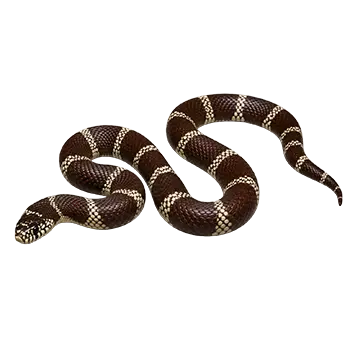

At the federal level in the United States, the California Kingsnake (Lampropeltis californiae) is not listed under the Endangered Species Act and does not appear on any federal prohibited species list. This means that there is no blanket federal prohibition on the possession, breeding, sale, or interstate transport of the species. The Lacey Act, which prohibits the interstate commerce of wildlife taken in violation of state or foreign law, applies to California Kingsnakes only insofar as the animals in question must have been legally obtained under the laws of their state or country of origin. A captive-bred California Kingsnake sold by a licensed breeder in compliance with state regulations can be legally shipped across state lines throughout most of the country.
The United States Fish and Wildlife Service oversees the enforcement of federal wildlife trade laws that may intersect with California Kingsnake commerce. While the species itself is not the subject of specific federal restrictions, breeders and dealers who ship reptiles commercially must comply with general regulations governing the packaging and transport of live animals through commercial carriers. The federal Animal Welfare Act, administered by the USDA, applies primarily to warm-blooded animals and does not directly regulate reptile keeping or breeding at the hobby level, though commercial operations above certain thresholds may fall under its purview depending on the scope and nature of their activities.
The absence of restrictive federal regulation for the California Kingsnake reflects the species' conservation status — it is abundant and widespread across its native range, is not considered threatened, and does not pose the invasive species risks that have prompted federal restrictions on certain other reptile species. The Constrictor Rule of 2012, which added several large constrictor species to the Lacey Act's injurious wildlife list and restricted their interstate transport, did not apply to kingsnakes or any other members of the genus Lampropeltis, as these moderate-sized colubrids lack the body size and reproductive characteristics that make certain large pythons and boas potential ecological threats in subtropical regions of the United States.
Prospective owners and breeders should be aware, however, that the regulatory landscape at the federal level is not static. Legislative proposals affecting the reptile trade are introduced in Congress periodically, and while none have specifically targeted kingsnakes or similar small-to-medium colubrids, broad-based bills aimed at restricting the exotic pet trade more generally could potentially affect the legal status of captive California Kingsnakes in the future. Staying informed about pending federal legislation through herpetoculture advocacy organizations is a prudent practice for anyone involved in the species' keeping or breeding.