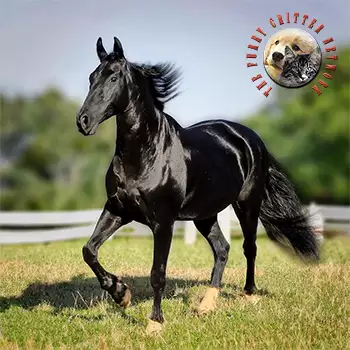

The Tennessee Walking Horse has appeared in numerous film and television productions, often cast for its elegant movement and cooperative temperament. Hollywood animal trainers have long favored gaited horses for scenes requiring smooth, photogenic motion, and the Walking Horse's natural head nod and flowing stride photograph exceptionally well on camera. Period dramas set in the American South have frequently featured the breed, as its association with plantation life and rural heritage makes it an authentic choice for productions aiming for historical accuracy.
Television programs focusing on equestrian lifestyles and competitive horse showing have given the breed regular exposure. Documentary segments on the Tennessee Walking Horse National Celebration have aired on major networks and cable channels, introducing millions of viewers to the breed's signature running walk and the culture surrounding the Shelbyville show. These broadcasts have played an important role in shaping public perception of the breed, for better and worse, as coverage of welfare controversies has also reached a wide audience.
The breed's calm demeanor makes it a practical choice for productions that require horses to work around large crews, heavy equipment, and unpredictable conditions. Unlike more reactive breeds, Walking Horses tend to remain steady in chaotic environments, reducing the risk of on-set accidents and allowing directors to capture scenes with fewer takes. This reliability has earned the breed a quiet but consistent reputation among equine wrangling companies in the entertainment industry.
While no single Tennessee Walking Horse has achieved the individual fame of some screen horses, the breed's collective presence in visual media has contributed to its popularity. Viewers who see the distinctive gliding gait on screen often seek out more information about the breed, and many Walking Horse owners cite a film or television appearance as the moment that first sparked their interest.