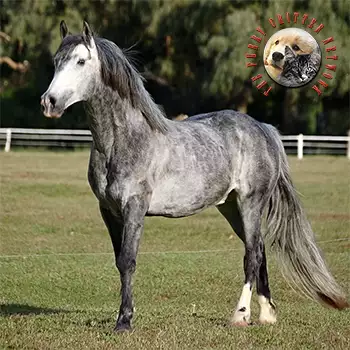

Horse ownership in the United States is governed by a patchwork of state and local laws that vary considerably from one jurisdiction to another. Paso Fino owners must familiarize themselves with the regulations that apply in their specific state and county, as requirements for registration, identification, and basic care standards differ widely. Some states require equine owners to register their horses with a state agricultural department, while others have no such requirement.
Brand inspection laws remain relevant in many western and southern states, where horses must carry a registered brand or be accompanied by documentation proving ownership when transported or sold. While branding is less common among Paso Fino owners than among owners of stock horse breeds, the legal requirement still applies where these laws are in force. Alternative identification methods such as microchipping are gaining acceptance in some jurisdictions as a substitute for traditional branding.
Purchase and sale transactions involving Paso Finos are subject to the same contract law principles that govern any livestock sale. Written bills of sale, veterinary pre-purchase examinations, and clear documentation of registration transfer are strongly recommended to protect both buyer and seller. Disputes over soundness, pedigree accuracy, or undisclosed health conditions can lead to costly litigation if the terms of a sale are not clearly documented.
State animal cruelty and neglect statutes apply to all horse owners, and Paso Fino owners should be aware of the minimum standards of care — including adequate food, water, shelter, and veterinary attention — mandated by their state. Failure to meet these standards can result in criminal charges, fines, and the seizure of horses by animal control authorities.