
Trailering & Road Travel

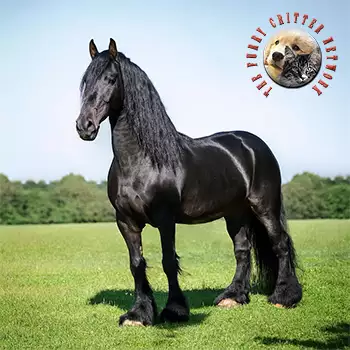
Transporting a Friesian by road requires careful consideration of the breed's size and build. Friesians typically stand between 15.2 and 17 hands and carry substantial body weight, so the trailer must be rated to safely accommodate their size. A standard two-horse straight-load or slant-load trailer with a minimum interior height of seven feet is generally recommended, though taller Friesians may require extra-tall models to ensure adequate headroom and prevent the horse from hitting its poll or withers on the ceiling.

Trailer conditioning is an important step in preparing a Friesian for road travel. While the breed's calm temperament generally makes them good travelers, introducing a horse to the trailer gradually through positive reinforcement reduces stress and the risk of injury during loading and transit. Practice sessions that allow the horse to enter, stand quietly, and exit the trailer without pressure build confidence and make actual travel days significantly smoother.

During transit, proper ventilation is essential to maintain air quality and regulate temperature inside the trailer. Friesians, with their thick coats and abundant mane and tail hair, can overheat more readily than lighter breeds, particularly during warm weather travel. Opening vents and windows while ensuring the horse is protected from direct wind is important. Offering water at regular stops — ideally every three to four hours — helps prevent dehydration, and providing small amounts of hay during the trip encourages gut motility and reduces travel-related stress.

The tow vehicle must be adequately rated for the combined weight of the trailer, the horse, and all equipment. A loaded two-horse trailer carrying a Friesian can easily weigh over 8,000 pounds, requiring a tow vehicle with sufficient engine power, braking capacity, and suspension. Ensuring that trailer brakes, lights, tires, and floor integrity are in good condition before every trip is a non-negotiable safety requirement. Carrying a roadside emergency kit that includes basic tools, a spare tire for the trailer, and a first-aid kit for both horse and handler is strongly advised.

Air Travel & Long-Distance Transport

Air transport is occasionally necessary for Friesians being shipped internationally or across long domestic distances. Horses travel by air in specially designed stalls loaded into cargo aircraft, and the process is managed by professional equine transport companies that specialize in air shipment. The cost of flying a horse is substantial, often ranging from several thousand to tens of thousands of dollars depending on the route, and the process involves extensive veterinary documentation, health testing, and coordination with customs and quarantine authorities.

Preparing a Friesian for air travel requires advance planning that typically begins weeks before the flight. Health certificates, Coggins tests, and any destination-specific import requirements must be obtained and verified. The horse should be in good health and current on vaccinations, and a pre-travel veterinary examination is standard. Some owners choose to administer a mild sedative under veterinary guidance to reduce travel anxiety, though this decision should be made on a case-by-case basis in consultation with both the veterinarian and the transport company.

For long-distance ground transport that spans multiple days, professional equine shipping companies offer door-to-door services using climate-controlled commercial horse vans. These vehicles are designed to carry multiple horses safely over extended distances, with experienced drivers who make regular stops for rest, water, and monitoring. Many Friesian breeders and buyers rely on these services for transactions that span states or continents, as professional shippers are experienced in managing the paperwork and logistics involved.

Regardless of the transport method, acclimation after arrival is an important consideration. Long-distance travel is physically and mentally taxing for horses, and Friesians may need several days to a week to fully recover from a major journey. Providing a quiet, comfortable environment with access to fresh water, quality hay, and gradual reintroduction to normal activity allows the horse to decompress and reduces the risk of travel-related health issues such as shipping fever, a respiratory condition associated with prolonged transport.

Show & Event Facilities

Traveling to competitions, inspections, and breed events is a regular part of life for many Friesian owners. Preparing for these trips involves planning not only the transport itself but also the stabling arrangements and logistics at the destination. Many show and event venues offer on-site stabling, but stall availability can be limited, and reservations often need to be made well in advance, particularly for popular breed shows and KFPS inspections.

When evaluating show grounds and event facilities, Friesian owners should consider stall size, footing quality, and the availability of warm-up and lunging areas. Standard show stalls may feel cramped for larger Friesians, so requesting oversized stalls when available is advisable. Adequate footing in warm-up and competition arenas is important for the breed's joint health, and hard or uneven surfaces can increase the risk of injury to a horse that will be performing collected movements and extended gaits.

Packing for a show trip with a Friesian requires attention to the breed's specific grooming and presentation needs. The Friesian's long mane, tail, and feathering require grooming supplies and tools beyond what lighter breeds typically need. Many exhibitors bring portable grooming stations, fans for cooling in warm weather, and specialized products for maintaining the breed's characteristic black coat. Having a checklist of equipment, tack, documents, and supplies helps ensure nothing essential is left behind.

Networking opportunities at breed events are a valuable aspect of traveling with Friesians. KFPS inspections, breed shows, and Friesian-specific clinics bring together owners, breeders, trainers, and enthusiasts who share knowledge and build relationships. These gatherings often include educational seminars, demonstrations, and social events that deepen participants' connection to the breed community. For newer Friesian owners, attending these events provides invaluable exposure to the breed's culture, standards, and best practices.

Boarding & Professional Care

Finding appropriate boarding or professional care for a Friesian during owner travel or when home facilities are unavailable requires careful evaluation. Not all boarding facilities are equipped to handle a breed with the Friesian's specific needs, including their larger size, dietary requirements, and grooming demands. Visiting potential facilities in person, speaking with current boarders, and reviewing contracts thoroughly before committing are essential steps in the selection process.

When evaluating boarding options, Friesian owners should assess the quality of fencing, pasture management, and shelter. Friesians are generally sociable and benefit from turnout with compatible companions, but their value and the risk of injury make safe, well-maintained fencing a priority. Run-in sheds or access to barn stalls provide protection from extreme weather, and adequate shade and fly control are particularly important in warmer climates where the breed's dark coat absorbs heat.

Communicating the Friesian's specific care needs to boarding staff is essential. This includes dietary requirements, any medications or supplements, exercise routines, and grooming expectations. Friesians with feathered fetlocks may be prone to conditions such as scratches or mud fever if their legs are not kept clean and dry, so discussing pasture conditions and leg care with the facility manager is important. Providing written care instructions and emergency contact information for the owner's veterinarian and farrier ensures continuity of care.

For owners who travel frequently, establishing a relationship with a reliable pet sitter or farm manager who can provide on-site care is an alternative to boarding. This arrangement allows the horse to remain in familiar surroundings while receiving consistent care. Professional equine farm sitters can handle daily feeding, turnout, and basic health monitoring, and having a clear agreement regarding their responsibilities, compensation, and emergency decision-making authority protects both the horse and the caretaker.

Emergency Preparedness

Emergency preparedness is a critical aspect of responsible Friesian ownership, whether the emergency arises during travel or at home. Developing a comprehensive emergency plan that addresses natural disasters, medical emergencies, and evacuation scenarios ensures that both horse and owner are prepared to respond effectively when unexpected situations arise. This plan should be documented, shared with family members and farm staff, and reviewed and updated regularly.

A well-stocked equine first-aid kit is essential for both home and travel. The kit should include wound care supplies such as bandaging materials, antiseptic solutions, and wound ointments, as well as a digital thermometer, stethoscope, and any medications prescribed by the horse's veterinarian. Knowing how to take vital signs — temperature, pulse, and respiration — and recognizing signs of common equine emergencies such as colic, laminitis, and respiratory distress allows owners to provide critical information to veterinarians and make informed decisions before professional help arrives.

Evacuation planning is particularly important for horse owners in areas prone to wildfires, hurricanes, flooding, or other natural disasters. Identifying evacuation routes, securing agreements with facilities willing to accept horses in an emergency, and keeping a trailer hitched or readily accessible during high-risk periods can make the difference between a safe evacuation and a dangerous situation. Friesians should be comfortable loading quickly and without resistance, making regular trailer-loading practice a component of emergency preparedness.

During travel, carrying comprehensive identification and medical records for the horse ensures that emergency veterinary care can be provided quickly and accurately if needed. A travel folder should include copies of registration papers, health certificates, vaccination records, the horse's regular veterinarian's contact information, and any relevant insurance documentation. Microchipping provides an additional layer of identification security that can reunite an owner with their horse if the animal becomes separated during a transport incident or natural disaster.

Always consult a qualified professional before making any health-related decisions. This content is provided for informational reference only and should not replace professional guidance specific to your animal.