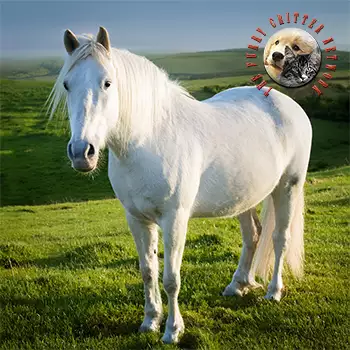

Equine Identification & Registration

In many jurisdictions, horses and ponies are subject to identification and registration requirements that apply to Connemara Ponies just as they do to any other equine breed. In the European Union, equine passport regulations require that every horse, pony, and donkey be issued an identification document that includes a description, microchip number, and vaccination records. Connemara Pony owners in EU member states must obtain these passports within specified timeframes after a foal's birth and must keep the document available for inspection during transport or sale.

In the United States, while there is no federal mandate for equine identification documents comparable to the EU passport system, individual states may impose their own requirements related to health certificates, brand inspection, and Coggins testing for equine infectious anemia. Connemara owners who register their ponies with the American Connemara Pony Society receive breed registration papers that serve as proof of identity and lineage, though these are separate from any government-mandated health or identification documents.

Microchipping has become increasingly standard across the equine industry and is now mandatory in several countries. The Connemara Pony Breeders' Society in Ireland and many affiliate registries require microchipping as part of the registration process. This technology provides a permanent, tamper-proof means of identifying individual animals and has proven valuable in cases of theft, disputes over ownership, and compliance with biosecurity regulations.

Owners should be aware that registration with a breed society and compliance with government identification requirements are separate obligations. Maintaining current records with both the breed registry and relevant government authorities helps ensure that ownership transfers, veterinary histories, and competition eligibility proceed smoothly. Consulting local agricultural authorities or equine legal specialists can clarify which specific requirements apply in a given jurisdiction.

Ownership & Purchase Requirements

Purchasing a Connemara Pony involves legal considerations that prospective owners should understand before completing a transaction. In most jurisdictions, horses are classified as personal property, and the sale of a pony is governed by general contract and commercial law. Written sales agreements that clearly specify the purchase price, payment terms, health warranties, and any conditions of sale provide important legal protections for both buyer and seller and are strongly recommended by breed societies and equine legal experts.

Pre-purchase veterinary examinations, commonly known as vettings, are a standard practice in equine sales and carry legal implications for both parties. The scope and findings of a vetting can affect the enforceability of health warranties and the buyer's legal recourse if undisclosed conditions are discovered after the sale. Buyers should ensure that the examining veterinarian is independent and that the examination report is thorough and clearly documented.

Age restrictions on horse ownership vary by jurisdiction. Some regions require that minors who own or handle horses be supervised by an adult, while others impose no specific age-related restrictions on equine ownership. Parents or guardians purchasing Connemara Ponies for young riders should familiarize themselves with any local regulations governing minors' involvement in equine activities, including requirements related to safety helmets and supervised instruction.

Zoning and land-use regulations can also affect the legal ability to keep a Connemara Pony on a particular property. Many residential areas, suburban developments, and even some rural zones have restrictions on livestock keeping that may apply to horses and ponies. Before purchasing a Connemara, prospective owners should verify that their property is zoned for equine use and that they can comply with any requirements related to minimum acreage, fencing standards, manure management, and proximity to neighboring dwellings.

Liability & Insurance

Horse ownership carries inherent liability risks, and Connemara Pony owners should understand the legal frameworks that govern responsibility for injuries or property damage caused by their animals. In many common-law jurisdictions, horse owners may be held liable under negligence principles if their failure to exercise reasonable care results in harm to another person. This can include situations involving loose ponies on roadways, biting or kicking incidents, and accidents that occur during riding lessons or trail rides.

Many U.S. states have enacted equine activity liability statutes that provide limited protection to horse owners and equine professionals by recognizing the inherent risks associated with equine activities. These laws typically require that warning signs be posted and that participants acknowledge the risks involved, but they do not provide blanket immunity from all liability claims. The specific protections and requirements vary significantly from state to state, and owners should familiarize themselves with the laws applicable in their jurisdiction.

Equine liability insurance is widely available and provides financial protection against claims arising from horse-related injuries or property damage. Policies may cover general liability, care and custody of horses belonging to others, and professional liability for instructors or trainers. Connemara owners who offer lessons, host visitors, or keep their ponies at shared facilities should carefully evaluate their insurance needs and ensure that their coverage is adequate for the activities they conduct.

In addition to liability coverage, owners may wish to consider mortality insurance, major medical insurance, and loss-of-use policies for their Connemara Ponies. These coverages protect the owner's financial investment in the event of death, serious illness or injury, or permanent loss of the pony's ability to perform its intended function. Given the Connemara's potential value as both a competition animal and a breeding prospect, appropriate insurance coverage represents a prudent component of responsible ownership.

Land Use & Facility Regulations

Keeping a Connemara Pony requires compliance with land-use regulations that vary widely depending on location. Municipal zoning ordinances in many areas classify horses as livestock and restrict their keeping to properties zoned for agricultural or equestrian use. Even in areas where horse keeping is permitted, local codes may specify minimum lot sizes, setback distances from property lines and neighboring structures, and maximum numbers of animals per acre. Violating these regulations can result in fines, mandatory removal of animals, or legal action from neighbors or local authorities.

Environmental regulations also affect equine property management. Manure storage and disposal, stormwater runoff from paddocks and barns, and the potential impact of equine activities on local waterways are subject to oversight by environmental agencies in many jurisdictions. Connemara owners who keep their ponies on their own property should develop manure management plans that comply with local environmental standards and consider best practices for pasture management to minimize erosion and nutrient runoff.

Building codes and permit requirements apply to the construction or modification of barns, shelters, arenas, and fencing on equine properties. Owners planning to build facilities for their Connemara Ponies should consult local building authorities to determine what permits are required and what structural standards must be met. In some areas, even simple run-in shelters or round pens may require permits, and failure to obtain proper approvals can result in enforcement actions or complications when selling the property.

Homeowners' associations and deed restrictions in planned communities or subdivisions may impose additional limitations on horse keeping that go beyond municipal zoning requirements. These private covenants can be difficult to challenge legally and may prohibit equine use entirely, regardless of the underlying zoning classification. Prospective Connemara owners should review all applicable deed restrictions and HOA rules before purchasing or leasing property with the intention of keeping ponies on site.

Import & Export Regulations

The international movement of Connemara Ponies is governed by import and export regulations designed to prevent the spread of equine diseases and to ensure animal welfare during transport. Exporting a pony from Ireland, where the breed originates, typically requires health testing, veterinary certification, and compliance with the importing country's specific entry requirements. The process can involve quarantine periods, blood tests for diseases such as equine infectious anemia and equine viral arteritis, and inspection by government veterinarians at both the point of origin and the destination.

Importing a Connemara Pony into the United States requires compliance with USDA Animal and Plant Health Inspection Service (APHIS) regulations, which mandate pre-export testing, veterinary health certificates issued by the exporting country's government veterinary authority, and a period of quarantine at a USDA-approved facility upon arrival. The quarantine period allows for observation and additional testing to confirm that the animal is free of regulated diseases. Similar frameworks exist in Canada, Australia, and other countries with established Connemara breeding populations.

Within the European Union, the movement of equines between member states is facilitated by the equine passport system and the TRACES (Trade Control and Expert System) electronic certification platform. While intra-EU transport is generally less restrictive than international import and export, owners must still ensure that their ponies' passports are current, that required vaccinations are up to date, and that transport notifications are properly filed through TRACES before crossing national borders.

Breed registration transfers are a separate but related consideration when moving Connemara Ponies between countries. Owners who import or export ponies should coordinate with both the sending and receiving breed registries to ensure that registration papers are properly transferred and that the pony's breeding records are maintained in the appropriate studbook. Failure to complete registration transfers can complicate future breeding plans, competition eligibility, and resale.

Welfare Legislation & Rescue Law

Animal welfare legislation in most jurisdictions establishes minimum standards of care that apply to all horses and ponies, including Connemaras. These laws typically require that owners provide adequate food, water, shelter, veterinary care, and protection from abuse or neglect. Violations of animal welfare statutes can result in criminal charges, fines, seizure of animals, and prohibitions on future animal ownership. The specific standards and enforcement mechanisms vary by jurisdiction, but the general principle that owners bear legal responsibility for their animals' well-being is nearly universal.

In Ireland, the Animal Health and Welfare Act provides the legal framework for equine welfare enforcement, and authorities have the power to inspect premises, seize neglected animals, and prosecute owners who fail to meet minimum care standards. The issue of horse welfare has received particular attention in Ireland due to concerns about overbreeding, abandonment, and the welfare of horses kept on marginal land. These concerns have led to increased enforcement activity and public awareness campaigns that affect all horse breeds, including Connemaras.

Equine rescue organizations play an important role in the Connemara community, taking in ponies that have been surrendered, abandoned, or seized due to welfare concerns. The legal frameworks governing rescue and rehoming operations vary by jurisdiction but typically involve requirements for nonprofit registration, veterinary oversight, adoption contracts, and record keeping. Some jurisdictions grant rescue organizations special legal standing to intervene in welfare cases, while others rely primarily on government animal control agencies for enforcement.

Owners who can no longer care for their Connemara Ponies have a legal and ethical obligation to arrange for their proper rehoming or humane disposition. Abandonment of horses is a criminal offense in most jurisdictions and can result in prosecution as well as civil liability for the costs of rescue and rehabilitation. Breed societies and rescue organizations can often assist owners in finding appropriate new homes for ponies that can no longer be kept, helping to ensure that these transitions are handled responsibly and in the best interests of the animals.

Always consult a qualified professional before making any health-related decisions. This content is provided for informational reference only and should not replace professional guidance specific to your animal.