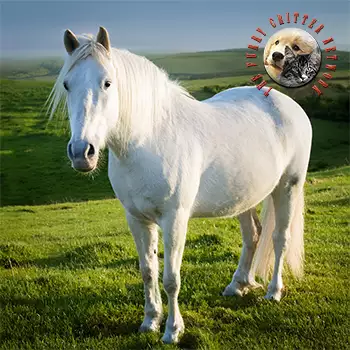

The Connemara Pony traces its roots to the wild, windswept landscape of western Ireland's Connemara region in County Galway. Archaeological and historical evidence suggests that ponies have inhabited this rugged Atlantic coastline for thousands of years, with the breed's earliest ancestors likely arriving with Celtic settlers. The harsh terrain of bogland, rocky hills, and sparse vegetation shaped these ponies into extraordinarily hardy animals capable of thriving where larger breeds could not survive.
Over the centuries, the native pony stock was influenced by outside bloodlines introduced through trade and conquest. Viking invaders may have brought Scandinavian pony stock to the region, while the Spanish Armada's shipwrecks off the Galway coast in 1588 are popularly credited with introducing Andalusian and Barb blood to the local herds. While the extent of Spanish influence is debated among historians, there is little doubt that Iberian horses contributed to the refinement and athletic ability seen in the modern Connemara.
By the nineteenth century, Connemara Ponies were the indispensable working partners of small farmers and fishermen along Ireland's western seaboard. They hauled seaweed from the shore for fertilizer, carried turf from the bogs for fuel, and served as the primary means of transport over roads that were often little more than rocky tracks. This close working relationship with humans, combined with relentless natural selection, produced a pony of remarkable endurance, surefootedness, and cooperative temperament.
Formalized breeding efforts began in the early twentieth century when Irish breeders recognized the need to preserve the Connemara's unique qualities. The Connemara Pony Breeders' Society was established in 1923, and the first studbook was opened in 1926. Early efforts focused on identifying the best remaining examples of the native type and establishing breeding standards that would protect the breed's hardiness and versatility while allowing for measured improvement through selective outcrossing.