
Film & Television

Belgian Draft horses have appeared in numerous film and television productions, often cast in roles that emphasize their imposing size and gentle nature. Period dramas and historical epics frequently feature Belgians in battle sequences and agricultural scenes, where their authenticity as working horses lends visual credibility. Their calm temperaments make them particularly valued on set, as they tolerate the noise, lighting equipment, and repeated takes that would unsettle more reactive breeds.

Hollywood's depictions of frontier life and rural America have regularly showcased Belgian Drafts pulling wagons, plowing fields, and hauling timber. These portrayals, while sometimes romanticized, have helped cement the breed's image as the quintessential American workhorse in the public consciousness. Documentary filmmakers have also turned their cameras on the Belgian, producing features about draft horse culture, Amish farming traditions, and competitive hitching that have reached audiences far beyond the equestrian world.

Television programs focused on farming, veterinary medicine, and rural lifestyles frequently feature Belgian Drafts. Reality shows documenting life on working farms and competition series centered on agricultural skills have introduced the breed to mainstream audiences who might otherwise never encounter a draft horse. These appearances have contributed to a steady rise in public interest and awareness of the breed's capabilities and character.

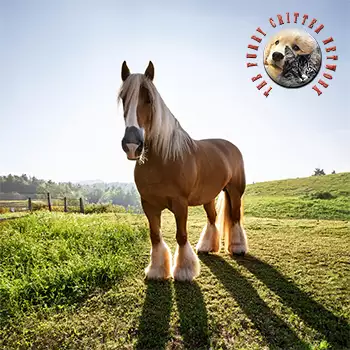
The visual impact of a Belgian Draft on screen is difficult to overstate. Their massive frames, flowing feathering, and warm golden coloring photograph exceptionally well, and directors consistently seek them out when a scene calls for a horse that conveys both power and approachability. This photogenic quality has made the Belgian one of the most frequently cast draft breeds in visual media.

Literature & Art

Belgian Draft horses have inspired writers and artists for centuries, beginning with Flemish painters who depicted the heavy horses of Brabant in pastoral landscapes and market scenes. These early artistic representations documented the breed's evolution and celebrated its role in the agricultural life of the Low Countries. Museum collections across Belgium and the Netherlands contain numerous works featuring the breed's distinctive ancestors, providing a visual record that complements written breeding histories.

In American literature, the Belgian Draft appears frequently in novels and memoirs depicting farm life, particularly those set in the Midwest during the late 19th and early 20th centuries. Authors writing about the homesteading era, the transition from horse power to mechanization, and the persistence of traditional farming communities have used the Belgian as both a literal character and a symbol of an agrarian way of life. Children's literature has also embraced the breed, with picture books and early readers featuring gentle giant Belgians introducing young audiences to farm animals and rural heritage.

Contemporary equine artists have made the Belgian Draft a frequent subject, drawn to the breed's dramatic proportions and expressive features. Sculptors, painters, and photographers specializing in equestrian art regularly exhibit Belgian Draft subjects at galleries, breed shows, and agricultural expositions. Bronze sculptures of champion Belgians stand at fairgrounds and breed association headquarters across the country, serving as permanent tributes to exceptional individuals.

The breed has also found its way into the growing genre of agricultural heritage writing, which documents vanishing rural traditions and the communities that sustain them. Journalists, historians, and essayists have profiled Belgian Draft breeders, teamsters, and the culture surrounding draft horse competitions, producing a body of nonfiction that preserves these traditions for future generations.

Internet & Social Media

The digital age has given the Belgian Draft horse an enormous new platform. Social media accounts dedicated to individual Belgians, breeding farms, and hitch teams attract hundreds of thousands of followers across platforms. Videos of Belgian Drafts performing farm work, competing in pulling contests, or simply interacting with their handlers routinely accumulate millions of views, exposing the breed to global audiences that would never encounter a draft horse in person.

Big Jake, the record-holding tallest horse, became one of the most viral equine personalities on the internet. His appearances in online videos and news coverage generated worldwide fascination with the Belgian breed, and the farm where he lived reported a dramatic increase in visitors directly attributable to his online fame. His story demonstrated the power of social media to transform an individual animal into a global ambassador for an entire breed.

Draft horse content creators have built dedicated communities around Belgian-focused channels, producing regular content that documents daily farm life, training processes, foaling seasons, and show preparation. These creators serve as de facto educators, answering questions from curious viewers and demystifying draft horse ownership for audiences unfamiliar with equine agriculture. The comment sections of these channels often become vibrant discussion forums where experienced horsemen and curious newcomers exchange knowledge.

The Belgian Draft community has also leveraged social media for practical purposes, including horse sales, stud advertising, and event promotion. Online auction platforms and breed-specific marketplace groups have expanded the geographic reach of breeders, allowing buyers and sellers to connect across continents. This digital infrastructure has accelerated the breed's growth in regions where Belgians were previously uncommon.

Advertising & Branding

Few images in American advertising carry the nostalgic weight of a team of matched draft horses, and Belgian Drafts have been featured extensively in corporate branding and marketing campaigns. Brewing companies in particular have a long history of associating their brands with draft horse teams, using the visual spectacle of gleaming Belgians pulling ornate wagons to evoke tradition, craftsmanship, and authenticity. These campaigns have made the hitch team one of the most recognizable advertising images in American culture.

Agricultural supply companies, feed manufacturers, and rural lifestyle brands frequently feature Belgian Drafts in their marketing materials. The breed's association with hardworking farm heritage makes it a natural fit for products marketed to rural consumers, and the visual impact of a Belgian in an advertisement commands attention in ways that few other animals can match. Print ads, television commercials, and catalog covers featuring Belgians consistently test well with audiences who value authenticity and tradition.

The Belgian Draft has also appeared in campaigns for products and services far removed from agriculture. Financial institutions, insurance companies, and automotive brands have all used images of draft horses to communicate messages of strength, reliability, and dependability. The breed's gentle expression and powerful build create a visual shorthand that resonates across demographics, making the Belgian an unusually versatile advertising subject.

Corporate-sponsored hitch teams serve a dual purpose as both advertising vehicles and goodwill ambassadors. These teams appear at parades, festivals, and charity events throughout the year, generating positive brand associations while simultaneously promoting the Belgian breed. The investment required to maintain a professional hitch team is substantial, but the visibility and public affection these teams generate have proven to be invaluable marketing assets for the companies that sponsor them.

The Popularity Effect

Media exposure has had measurable effects on public interest in Belgian Draft horses. Breed registries and breeders consistently report spikes in inquiries following major television appearances, viral social media moments, or high-profile news coverage of individual horses. The cycle of media attention driving public curiosity, which in turn generates more media coverage, has contributed to the Belgian's position as the most popular draft breed in North America.

The increased visibility has brought both opportunities and challenges to the Belgian Draft community. Greater demand for the breed has supported breeders economically and attracted new enthusiasts to draft horse culture. However, experienced horsemen caution that media portrayals sometimes oversimplify the realities of owning and maintaining a horse that can weigh over a ton, and that impulse acquisitions by unprepared buyers can lead to welfare concerns.

Breed organizations have responded to the popularity effect by expanding educational outreach and developing resources for prospective owners. Informational websites, mentorship programs, and introductory workshops aim to ensure that media-driven interest translates into responsible, informed ownership rather than ill-considered purchases. These efforts reflect the community's awareness that sustained popularity depends on positive outcomes for the horses themselves.

The Belgian Draft's media presence has also contributed to broader public appreciation for draft horse culture and heritage. As audiences discover the breed through screens and feeds, many develop a deeper interest in agricultural history, traditional horsemanship, and the communities that have preserved these traditions. In this way, the Belgian Draft serves as a gateway to a rich cultural world that might otherwise remain invisible to urban and suburban populations.

Always consult a qualified professional before making any health-related decisions. This content is provided for informational reference only and should not replace professional guidance specific to your animal.