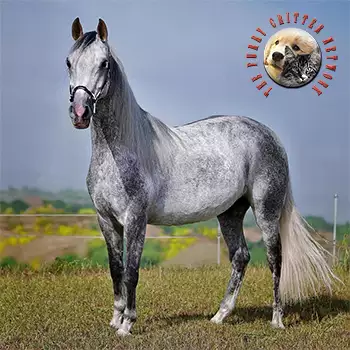

The Arabian horse has been a fixture of cinema since the earliest days of Hollywood. The breed's striking appearance—arched neck, flowing mane, and elegant movement—made it a natural choice for filmmakers seeking to convey grandeur, adventure, and exoticism. Early adventure and desert-themed films frequently cast Arabians as the mounts of heroes and royalty, establishing a visual association between the breed and cinematic spectacle that persists today.
One of the most celebrated Arabian horses in film history was Cass Ole, a black stallion who starred in the 1979 adaptation of Walter Farley's beloved novel. The film's iconic beach sequences showcasing the stallion's beauty and athleticism introduced the Arabian breed to millions of viewers and sparked a wave of public interest in Arabian horse ownership. The production required extensive training to capture the bond between horse and rider, and Cass Ole's performance demonstrated the breed's intelligence and responsiveness to handling.
Arabians and Arabian-cross horses have also appeared in major historical and fantasy productions, often cast as warhorses or noble steeds. Their refined features photograph well on camera, and their naturally animated movement adds drama to action sequences. Television series centered on equestrian themes have similarly favored the breed, using Arabians in both dramatic roles and educational programming about horse care and riding.
The breed's continued presence in film and television reflects its enduring status as the archetypal beautiful horse. Casting directors and animal coordinators frequently select Arabians when a script calls for a horse that conveys elegance, spirit, or a sense of the mythic. This on-screen visibility has played a meaningful role in sustaining public awareness and admiration for the breed across generations of viewers.