
Film & Television

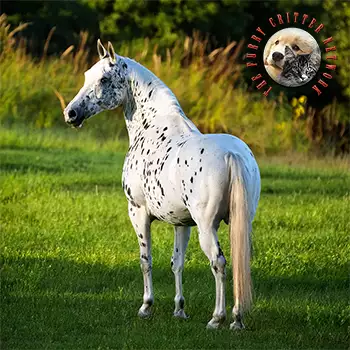
The Appaloosa's dramatic spotted coat has made it a natural choice for filmmakers seeking visually distinctive horses. Western films and television series have long favored Appaloosas for their striking on-screen presence, often casting them as the mounts of heroic or historically significant characters. The breed's calm temperament and trainability are additional assets on busy film sets, where horses must tolerate unusual lighting, loud noises, and large crews.

The 2008 film "Appaloosa," starring Viggo Mortensen and Ed Harris, brought the breed's name directly into mainstream cinema, though the title actually referred to a fictional frontier town rather than the horse breed. Nevertheless, the film renewed public interest in the breed and its Western associations. Earlier productions, including numerous mid-century Westerns, regularly featured Appaloosas as Native American horses, reinforcing the breed's historical connection to Indigenous cultures of the American West.

Television has also provided significant exposure for the breed. Appaloosas have appeared in series ranging from classic Westerns to modern dramas set in rural America. Their distinctive appearance makes them instantly recognizable to viewers, and production designers often select them specifically when a scene calls for a horse that conveys a sense of heritage, ruggedness, or visual impact. Documentary programs focusing on American history, Native American culture, and equine breeds have further featured the Appaloosa, introducing the breed to audiences who might not otherwise encounter it.

The breed's photogenic qualities extend beyond narrative productions into commercial work, where Appaloosas frequently appear in advertisements, music videos, and promotional materials for tourism boards and Western lifestyle brands. Their unique look photographs exceptionally well, and their cooperative nature makes them reliable performers in the demanding and often repetitive world of commercial production.

Literature & Art

Appaloosas have inspired a rich body of literature spanning children's books, historical novels, and nonfiction accounts of Western history. Children's authors have been particularly drawn to the breed's dramatic appearance and compelling origin story, producing numerous illustrated books that introduce young readers to the Nez Perce horsemanship tradition. Titles exploring the bond between Native American peoples and their horses frequently place the Appaloosa at the center of the narrative, using the breed as a vehicle for discussing broader themes of cultural heritage and environmental connection.

Historical fiction set during the Nez Perce War of 1877 and the broader era of Western expansion regularly features Appaloosas as symbols of a vanishing way of life. These novels draw on the breed's near-extinction following Chief Joseph's surrender to create powerful emotional narratives about loss, resilience, and recovery. Nonfiction works by equine historians have documented the breed's development in meticulous detail, and several comprehensive breed histories have become standard references for Appaloosa enthusiasts.

In the visual arts, the Appaloosa has been a subject of fascination for centuries. The spotted horses that appear in the cave paintings of Pech Merle in France, dating back approximately 25,000 years, are among the earliest known depictions of equines in art. Western artists of the nineteenth and twentieth centuries, including those associated with the cowboy art tradition, frequently included Appaloosas in paintings and bronze sculptures depicting frontier scenes and Native American life.

Contemporary artists continue to find inspiration in the Appaloosa's bold patterning. Equine painters prize the challenge of rendering the breed's complex coat variations, while Native American artists incorporate the Appaloosa into works that explore themes of identity, tradition, and cultural resilience. The Appaloosa Museum in Moscow, Idaho, maintains a permanent collection of breed-related artwork that traces the animal's artistic legacy from prehistoric cave walls to modern galleries.

Internet & Social Media

The Appaloosa's eye-catching coat patterns have made it a natural subject for viral content in the age of social media. Horses with particularly dramatic markings—full leopard spots, vivid blanket patterns, or unusual color combinations—regularly attract enormous engagement on platforms like Instagram, TikTok, and YouTube. Some individual Appaloosas have developed substantial online followings, with owners sharing daily updates, training progress, and behind-the-scenes glimpses of life with a spotted horse.

Breed-specific online communities thrive across multiple platforms, connecting Appaloosa enthusiasts from around the world. Facebook groups, Reddit communities, and dedicated breed forums serve as gathering places where owners exchange training advice, share photos, discuss bloodlines, and organize meetups. These digital communities have become particularly important for Appaloosa owners in regions where the breed is less common, providing access to expertise and camaraderie that might otherwise be difficult to find locally.

Video content featuring Appaloosas performs especially well online, with training demonstrations, trail riding footage, and foal birth videos consistently drawing large audiences. The breed's striking visual transformation as foals mature—many Appaloosas are born with darker coats that lighten and develop more pronounced patterns with age—provides compelling long-form content that encourages followers to stay engaged over months and years. Time-lapse compilations showing these color changes are among the most widely shared Appaloosa content online.

The breed has also benefited from the broader trend of equestrian influencer culture, with several prominent Appaloosa owners building substantial personal brands around their horses. These influencers often combine entertainment content with educational material about breed history, horse care, and responsible ownership, reaching audiences far beyond the traditional equestrian community and introducing the Appaloosa to people who might never set foot in a barn.

Advertising & Branding

The Appaloosa's unmistakable appearance has made it a popular choice in advertising campaigns aimed at evoking themes of American heritage, rugged individualism, and natural beauty. Tourism boards in Western states, particularly Idaho, have frequently featured Appaloosas in promotional materials, leveraging the breed's regional associations to attract visitors interested in outdoor recreation and cultural tourism. The horse's spotted coat provides an immediately recognizable visual shorthand for the American West.

Western wear and lifestyle brands have also embraced the Appaloosa as a branding element. The breed appears in catalogs, storefront displays, and advertising campaigns for companies selling everything from boots and saddles to home décor and outdoor gear. The Appaloosa's distinctive look helps these brands differentiate themselves in a crowded marketplace, and the breed's heritage story adds narrative depth to marketing materials that might otherwise rely on generic Western imagery.

The Appaloosa Horse Club itself has been active in promoting the breed through organized marketing initiatives, producing promotional videos, print materials, and digital content designed to attract new owners and enthusiasts. The club's branding efforts emphasize the breed's versatility, temperament, and historical significance, positioning the Appaloosa as a horse suited to a wide range of riders and disciplines. Regional Appaloosa clubs often supplement these efforts with locally targeted campaigns promoting breed events and activities.

Beyond commercial advertising, the Appaloosa has served as a symbol in public awareness campaigns related to land conservation, cultural preservation, and Native American heritage. Nonprofit organizations working in these areas have used images of Appaloosas to connect audiences emotionally to their causes, recognizing that the breed's story of near-destruction and recovery resonates powerfully with messages about protecting endangered cultures and landscapes.

The Popularity Effect

Media exposure has had a measurable impact on Appaloosa popularity and breeding trends over the decades. Peaks in registration numbers have often followed periods of heightened media visibility, whether through a popular film, a successful advertising campaign, or a viral social media moment. This pattern mirrors trends seen in other animal breeds, where public fascination with a particular appearance or story drives increased demand that can strain breeding populations and rescue resources.

The surge of interest following major media appearances has brought both benefits and challenges to the Appaloosa community. On the positive side, increased visibility has expanded the breed's market, attracted new enthusiasts, and generated revenue for breeders and breed organizations. Greater public awareness has also supported conservation and heritage efforts, drawing attention and funding to programs like the Nez Perce Horse Registry that work to preserve the breed's original characteristics.

However, popularity spikes can also lead to irresponsible breeding practices, as inexperienced breeders attempt to capitalize on demand without adequate knowledge of genetics, conformation, or health considerations. The Appaloosa community has worked to counter this risk through educational initiatives, breeder mentorship programs, and registry standards designed to maintain quality. Rescue organizations dedicated to Appaloosas have also emerged to address the inevitable fallout when impulse-driven owners find themselves unable to care for a horse long-term.

The breed's current cultural status represents a balance between widespread popularity and dedicated stewardship. The Appaloosa remains one of the most recognizable horse breeds in the world, and its media presence continues to grow through new platforms and content formats. The challenge for the breed community going forward is to harness this visibility in ways that promote responsible ownership, support breed health, and honor the cultural heritage that makes the Appaloosa far more than just a pretty horse.

Always consult a qualified professional before making any health-related decisions. This content is provided for informational reference only and should not replace professional guidance specific to your animal.