
Film & Television

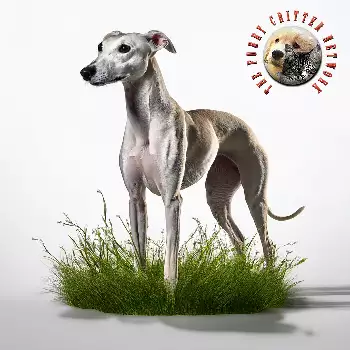
The Whippet has appeared in a number of film and television productions, though it has never achieved the singular iconic status of breeds like the Collie or the Dalmatian. Instead, Whippets tend to appear as supporting characters or atmospheric elements, their graceful forms lending visual elegance to period dramas and contemporary stories alike. British productions in particular have featured Whippets in roles that reflect the breed's deep roots in English working-class culture, often appearing alongside characters set in northern industrial landscapes.

In television, Whippets have been featured in various documentaries about dog racing, sighthound sports, and canine genetics. The breed's remarkable athletic ability and its distinctive running style make it a natural subject for programs exploring the science of animal movement and the history of human-canine partnerships. Nature and science programs have used high-speed footage of Whippets in full sprint to illustrate biomechanical principles and the double-suspension gallop unique to sighthounds.

The breed has also appeared in television advertising, where its sleek profile is used to convey ideas of speed, efficiency, and modern elegance. Directors and commercial producers appreciate the Whippet's photogenic qualities and cooperative temperament on set. Unlike more high-energy breeds, Whippets tend to remain calm between takes, making them practical choices for productions that require multiple setups and long shooting days.

Whippets have occasionally appeared in animated features and children's programming as well, though typically as background characters rather than leads. Their distinctive silhouette is easy to render in animation and immediately recognizable, making them useful visual shorthand for a graceful, fast-moving dog. These appearances, while rarely central to a plot, contribute to the breed's steady cultural visibility.

Literature & Art

The Whippet holds a notable place in English literature, particularly in works that explore the lives of working-class communities in the industrial North. Novels and short stories set in mining villages frequently reference Whippet racing and coursing as central elements of community life, using the dogs as symbols of pride, competition, and the small pleasures that sustained families through difficult economic times. These literary depictions have helped preserve the cultural memory of an era when the Whippet was inseparable from the identity of entire towns.

In the visual arts, the Whippet and its close relative the Greyhound have been subjects of fascination for centuries. The Art Deco movement of the 1920s and 1930s embraced the sighthound form with particular enthusiasm, producing bronze sculptures, ceramic figurines, and graphic prints that celebrated the breed's aerodynamic beauty. Artists like Hagenauer and Chiparus created sighthound sculptures that remain highly collectible today, and the Whippet's influence on Art Deco design is visible in everything from hood ornaments to architectural details.

Contemporary artists continue to find inspiration in the Whippet's form. Photographers have produced acclaimed bodies of work featuring Whippets in motion, capturing the extraordinary extension and compression of the sighthound gallop. Painters working in both realist and abstract traditions have used the Whippet's spare, muscular build as a study in line, form, and movement. The breed's minimal coat and visible musculature make it an ideal subject for artists interested in anatomy and kinetic energy.

The Whippet also appears regularly in lifestyle and design publications, where the breed is often photographed in architecturally striking interiors. The visual harmony between a Whippet's clean lines and modernist design aesthetics has made the breed a favorite among art directors and interior designers, further cementing its association with refined taste and understated elegance.

Internet & Social Media

The Whippet has developed a devoted and growing following on social media platforms, where owners share images and videos that capture the breed's dual nature as both explosive athlete and dedicated couch companion. Instagram accounts dedicated to individual Whippets have amassed large followings, with fans drawn to the breed's photogenic elegance and the humor inherent in a dog that can look impossibly regal one moment and absurdly goofy the next. The contrast between a Whippet's dignified appearance and its playful, sometimes clownish behavior provides endless content.

Whippet-specific online communities thrive on platforms like Facebook and Reddit, where owners exchange advice on everything from nutrition and training to racing and lure coursing. These groups serve as important support networks for new owners and breed enthusiasts, fostering a sense of community that transcends geographic boundaries. Discussions in these forums often reflect the breed's unique characteristics, including topics like managing prey drive, understanding sighthound body language, and finding appropriate cold-weather gear for thin-coated dogs.

The breed has also benefited from viral moments that introduce Whippets to audiences unfamiliar with sighthounds. Videos of Whippets running at full speed, performing dramatic zoomies in living rooms, or burrowing under blankets with theatrical determination have circulated widely, generating millions of views and sparking curiosity about the breed. These viral clips often lead viewers to seek out more information, contributing to the Whippet's steadily increasing popularity.

Whippet memes and humor accounts have become a niche but enthusiastic corner of pet internet culture. The breed's tendency to sleep in improbable positions, its expressive facial features, and its reputation for stealing warm spots on the sofa provide rich material for comedic content. This lighthearted online presence has helped demystify sighthounds for a broader audience and counter outdated perceptions of the Whippet as a fragile or aloof breed.

Advertising & Branding

The Whippet's sleek silhouette has made it a natural choice for brands seeking to communicate speed, precision, and sophistication. Automotive companies, fashion labels, and technology firms have all incorporated Whippet imagery into advertising campaigns, leveraging the breed's instantly recognizable profile to convey a sense of streamlined performance. The Whippet's visual impact is such that even a simple outline of the breed can communicate these qualities without the need for additional context.

Perhaps the most direct commercial use of the breed's name and image appears in transportation and logistics, where the Whippet name has been adopted by bus and coach companies in various countries. The association between the breed's speed and the promise of fast, efficient travel has proven to be an effective branding strategy that endures across decades. These commercial uses have helped keep the Whippet name in public consciousness even among people who may not be familiar with the breed itself.

In the pet industry, the Whippet frequently appears in marketing materials for premium dog products, particularly those related to fashion, comfort, and active lifestyles. The breed's need for specialized accessories like fitted coats, sighthound-specific collars, and elevated beds has spawned a cottage industry of artisan pet product makers who cater specifically to Whippet and Greyhound owners. These niche businesses often use Whippet imagery prominently in their branding, reinforcing the breed's association with style and quality.

The Whippet's presence in advertising reflects broader cultural perceptions of the breed as elegant, efficient, and modern. Unlike breeds that are marketed primarily on the basis of ruggedness or cuteness, the Whippet occupies a distinctive niche in commercial imagery that emphasizes clean design and purposeful form. This positioning has helped the breed maintain a consistent and appealing public image across diverse commercial contexts.

The Popularity Effect

The Whippet's media visibility and growing social media presence have contributed to a steady increase in the breed's popularity over the past two decades. Unlike breeds that experience sudden surges in demand following a blockbuster film or celebrity endorsement, the Whippet's rise has been gradual and organic, driven largely by word of mouth among owners and the breed's genuine suitability for modern lifestyles. This measured growth has generally been viewed as positive by breed enthusiasts, as it has allowed breeding communities to maintain quality and health standards.

However, increasing popularity inevitably brings challenges. Breed clubs and rescue organizations have noted a rise in impulse acquisitions by owners attracted to the Whippet's appearance without fully understanding the breed's needs, particularly its strong prey drive and sensitivity to cold weather. Responsible breeders and breed advocates use media opportunities to educate prospective owners about these considerations, emphasizing that the Whippet's calm indoor demeanor does not eliminate the need for secure fencing, proper socialization, and appropriate exercise.

The breed's growing popularity has also had positive effects on rescue and adoption efforts. As more people become familiar with Whippets through media and social platforms, breed-specific rescue organizations report increased interest from qualified adopters. This heightened awareness has helped find homes for retired racing Whippets and dogs surrendered due to owner life changes, expanding the network of people willing and prepared to welcome a sighthound into their family.

Looking ahead, the Whippet's media presence seems likely to continue growing in ways that reflect the breed's authentic qualities rather than any manufactured trend. The breed's genuine versatility, photogenic appearance, and suitability for diverse living situations provide a foundation for sustained public interest that does not depend on novelty or hype. For the Whippet community, the ongoing challenge will be ensuring that this visibility translates into responsible ownership and continued commitment to the breed's health and welfare.

Always consult a qualified professional before making any health-related decisions. This content is provided for informational reference only and should not replace professional guidance specific to your animal.