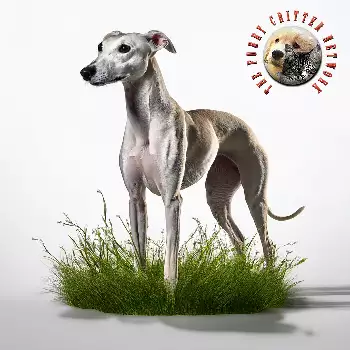

The Whippet's origins are rooted in the industrial heartlands of Northern England during the 18th and 19th centuries. Working-class families in coal-mining communities of Lancashire, Yorkshire, and Durham sought a small, fast dog that could hunt rabbits for the table and compete in informal racing events on weekends. By selectively breeding smaller Greyhounds with various terrier types, they created a compact sighthound that combined explosive speed with a manageable size suited to modest homes.
Early Whippets were functional dogs above all else. Their lean frames and deep chests were shaped not by show ring aesthetics but by the practical demands of coursing and snap racing. These dogs needed to accelerate rapidly, turn sharply, and bring down small game with minimal wasted motion. The terrier crosses contributed tenacity and alertness, while the Greyhound heritage ensured the elegant double-suspension gallop that remains the breed's hallmark.
As industrialization drew rural workers into the towns, the Whippet came with them. The breed adapted easily to urban life because of its quiet indoor temperament and relatively modest exercise needs compared to larger sighthounds. Mill workers and miners found in the Whippet a versatile companion that could supplement the family diet through hunting, provide weekend sport through racing, and still curl up peacefully by the hearth at night.
By the mid-19th century, dedicated breeding programs began to standardize the Whippet's appearance and size. Breeders moved away from terrier crosses and focused on refining the sighthound type, producing dogs that were consistently elegant, symmetrical, and built for speed. This transition from working ratting dog to refined racer and companion set the stage for the breed's eventual recognition by kennel clubs on both sides of the Atlantic.