
Film & Television

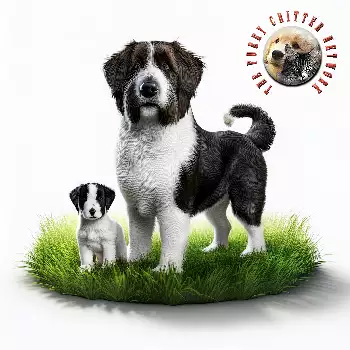
The Stabyhoun's appearances in film and television have been modest, reflecting its status as one of the world's rarest dog breeds. Unlike more widely recognized breeds that have starred in major Hollywood productions, the Stabyhoun has primarily appeared in Dutch regional programming and documentary content focused on rare breed preservation. These appearances, while limited in scope, have played a valuable role in introducing the breed to audiences who might otherwise never encounter one.

Dutch television has featured the Stabyhoun in nature documentaries and agricultural programs that explore the cultural heritage of Friesland. These productions typically present the breed within its historical context, showing Stabyhouns working alongside Frisian farmers or participating in regional field events. The breed's photogenic appearance, with its distinctive black-and-white coat and expressive eyes, makes it a natural subject for visual storytelling about Dutch rural traditions.

International documentary filmmakers exploring the theme of rare and endangered dog breeds have occasionally included the Stabyhoun in their work. These documentaries often frame the breed within a larger narrative about genetic diversity, conservation, and the cultural significance of heritage breeds. The Stabyhoun's compelling origin story and the dedicated community working to preserve it provide rich material for filmmakers interested in the intersection of animal welfare and cultural preservation.

As streaming platforms have expanded the reach of niche content, the Stabyhoun has gained incremental visibility through breed-focused video series and short-form documentaries produced for online audiences. These digital productions, often created by breed enthusiasts and independent filmmakers, have helped bring the Stabyhoun's story to international viewers who may be discovering the breed for the first time.

Literature & Art

The earliest literary references to the Stabyhoun appear in 19th-century Frisian writing. Authors such as Joost Halbertsma and Waling Dykstra described the breed in their accounts of Frisian rural life, providing some of the first written documentation of the Stabyhoun's characteristics and working roles. These literary mentions, though brief, are historically significant because they establish the breed's presence in Friesland well before formal kennel club recognition.

In Frisian folk art and regional illustration, the Stabyhoun occasionally appears in depictions of rural life and agricultural scenes. These artistic representations tend to show the breed in its working context, accompanying hunters in marshland settings or standing alongside farming families. While the Stabyhoun has never achieved the level of artistic prominence enjoyed by breeds frequently depicted in European oil painting traditions, these regional works contribute to the visual record of the breed's cultural heritage.

Contemporary breed literature, including breed-specific books and kennel club publications, provides the most detailed written accounts of the Stabyhoun available today. These works cover the breed's history, standard, health considerations, and training characteristics, serving as essential resources for owners and prospective owners alike. Several Dutch-language books dedicated to the Stabyhoun and Wetterhoun have been published by breed historians affiliated with the NVSW, preserving institutional knowledge about both breeds for future generations.

The Stabyhoun has also appeared in broader works about rare and unusual dog breeds, where it is frequently highlighted as an example of a breed worth preserving. These encyclopedic and survey-style books introduce the Stabyhoun to general dog enthusiasts and serve as entry points for readers who may be inspired to learn more about the breed or support conservation efforts.

Internet & Social Media

Social media has been transformative for the Stabyhoun's visibility. Platforms such as Instagram, Facebook, and YouTube have allowed Stabyhoun owners around the world to share photos, videos, and stories about their dogs with audiences far larger than the breed's small population might suggest. Hashtags dedicated to the breed regularly attract engagement from dog enthusiasts curious about this unfamiliar but striking breed, and many owners report that their Stabyhouns generate frequent questions and interest from followers.

Breed-specific Facebook groups and online forums serve as vital community hubs for Stabyhoun owners and breeders. These digital spaces facilitate discussions about health, training, breeding coordination, and general breed advocacy. For owners living in regions where they may be the only Stabyhoun household for hundreds of miles, these online communities provide essential social connection and support. The groups also serve as important resources for prospective owners researching the breed before committing to a waiting list.

YouTube and TikTok have provided platforms for Stabyhoun owners to showcase the breed's personality and abilities through video content. Clips of Stabyhouns swimming, retrieving, playing with children, and demonstrating their characteristic patience and gentleness have helped humanize the breed beyond its rare-breed statistics. Some Stabyhoun accounts have developed dedicated followings, with viewers returning regularly to watch the dogs grow, train, and interact with their families.

The internet has also facilitated international breeding coordination in ways that were previously impractical. Breed clubs and individual breeders use websites and social media to share health testing results, announce available litters, and coordinate the importation of breeding stock across borders. This digital infrastructure has been essential to the breed's slow but steady expansion beyond the Netherlands, enabling the kind of careful, informed breeding decisions that a rare breed requires to maintain its genetic health.

Advertising & Branding

The Stabyhoun has had minimal presence in mainstream advertising, a direct consequence of its rarity and limited public recognition. Advertising campaigns typically favor breeds that audiences can immediately identify, and the Stabyhoun's unfamiliarity to most consumers makes it an unlikely choice for major brand partnerships. However, this obscurity has occasionally worked in the breed's favor, as its distinctive appearance can create a sense of novelty and intrigue in the right context.

Within the Netherlands, the Stabyhoun has appeared in regional advertising and promotional materials connected to Frisian tourism and cultural heritage. The breed's strong association with Friesland makes it a natural fit for campaigns promoting the province's rural landscape, outdoor recreation, and traditional way of life. These regional uses reinforce the Stabyhoun's identity as a symbol of Frisian culture and help maintain public awareness of the breed within its homeland.

Breed clubs and rare breed conservation organizations have developed their own branding around the Stabyhoun, using the breed's image in fundraising materials, educational campaigns, and membership drives. The Stabyhoun's appealing appearance and compelling conservation story make it an effective ambassador for broader messages about heritage breed preservation and responsible dog ownership. These organizational branding efforts, while modest in scale, play an important role in maintaining the breed's public profile.

As consumer interest in rare and unusual dog breeds has grown, the Stabyhoun has occasionally appeared in editorial content for pet industry publications, lifestyle magazines, and online media outlets. These features typically present the breed as a hidden gem or best-kept secret, appealing to readers who are drawn to distinctive and uncommon pets. While these appearances are not paid advertising in the traditional sense, they contribute to the breed's gradual entry into mainstream awareness.

The Popularity Effect

The Stabyhoun occupies an unusual position in the dynamics of breed popularity. Unlike breeds that have experienced dramatic surges in demand following media exposure, the Stabyhoun's extreme rarity has created a natural buffer against the kind of rapid, uncontrolled popularity that often harms breeds. The limited number of breeding dogs worldwide, combined with strict breeding protocols enforced by the NVSW and affiliated clubs, means that supply cannot quickly expand to meet sudden increases in demand.

Breed advocates have expressed mixed feelings about increased public interest in the Stabyhoun. On one hand, greater awareness supports conservation efforts, attracts committed new owners, and expands the breeding population in ways that benefit genetic diversity. On the other hand, the breed community is acutely aware of the damage that popularity spikes have caused in other breeds, where surging demand led to irresponsible breeding, health problems, and eventual abandonment of dogs by owners who were unprepared for the breed's needs.

The Stabyhoun community has proactively addressed the risks of popularity by maintaining rigorous screening processes for prospective owners. Waiting lists for Stabyhoun puppies can extend for a year or more, and breed clubs actively educate potential owners about the breed's exercise needs, independent temperament, and the responsibilities that come with owning a rare breed. This deliberate approach to placement prioritizes the welfare of individual dogs and the long-term health of the breed over rapid numerical growth.

The breed's experience offers a case study in managed growth that other rare breed communities have looked to as a model. By balancing the desire for increased recognition with the discipline to control breeding practices and owner selection, the Stabyhoun community has demonstrated that it is possible to raise a breed's profile without sacrificing its health, temperament, or integrity. This careful stewardship reflects the same values of practicality and devotion that have defined the breed's relationship with its human partners for centuries.

Always consult a qualified professional before making any health-related decisions. This content is provided for informational reference only and should not replace professional guidance specific to your animal.